
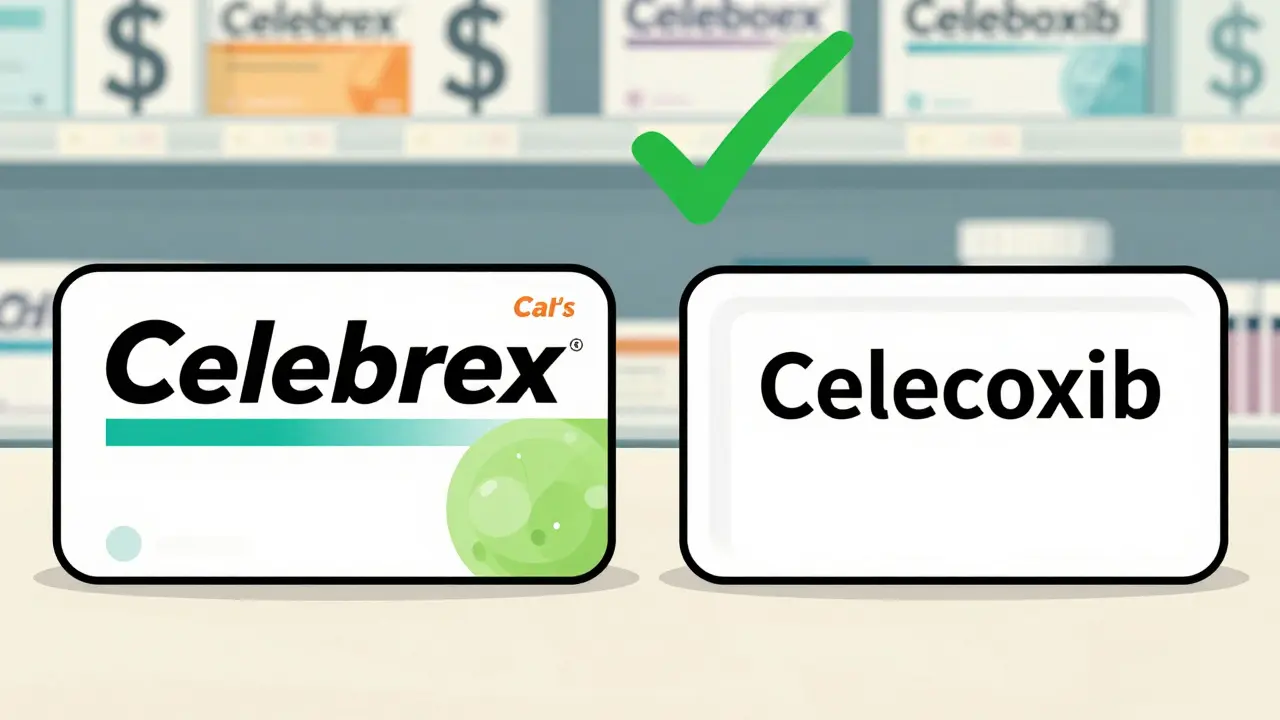
When your insurance pushes you to switch from a brand-name drug to a cheaper version, you might be handed a pill that looks completely different. Maybe it’s a different color, shape, or even has a weird name on the bottle. That’s a regular generic. But sometimes, you’ll get a pill that looks and feels exactly like the brand - except the brand name is gone. That’s an authorized generic.
Here’s the real question: if you’re thinking about switching, which one is safer, more reliable, and actually worth the trade-off? The answer isn’t simple. It depends on what you’re taking, how your body reacts, and how much you’re willing to pay.
What Exactly Is an Authorized Generic?
An authorized generic isn’t just another copycat drug. It’s the exact same pill the brand-name company made - same factory, same ingredients, same machine, same process. The only difference? The label doesn’t say the brand name. Companies like Pfizer or Merck will produce their own generic version after the patent expires, selling it under a different name at a lower price.
For example, if you used to take Celebrex (celecoxib), you might now get a pill made by Greenstone - same exact formula, same inactive ingredients like lactose and povidone, same tablet coating. It’s not a copy. It’s the original product with a new label. The FDA calls this an "exact duplicate" of the brand drug. No bioequivalence studies are needed because it’s literally the same thing.
How Is a Regular Generic Different?
Regular generics - the kind you see most often - are allowed to have different inactive ingredients. That means the filler, dye, or binding agent might be different. The active ingredient? Same. But the way it’s made? Not always.
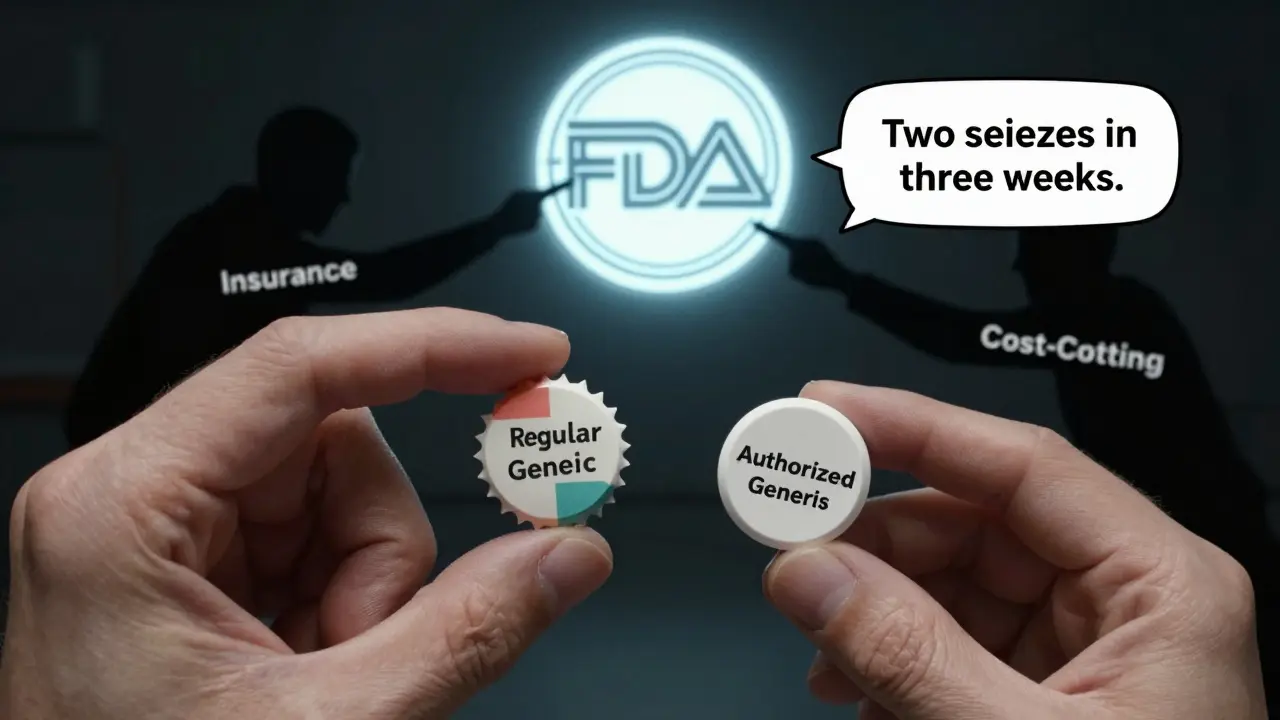
The FDA requires these generics to be within 80-125% of the brand’s absorption rate. That’s a 25% swing. For most drugs, that’s fine. For others? It’s a big deal. Take lamotrigine, used for epilepsy. A 2018 study in Neurology found that switching from brand to regular generic led to breakthrough seizures in some patients. Why? Because the binder changed how the drug dissolved in the gut. The authorized generic? No issues. Same formula. Same results.
Cost Comparison: The Real Trade-Off
Regular generics are cheap. Like, 80-85% cheaper than brand names. An authorized generic? Not so much. It usually costs 10-30% less than the brand - but 5-15% more than the regular generic.
Let’s look at Concerta (methylphenidate ER). The brand costs about $210 for 30 tablets. The regular generic? Around $165. The authorized generic? $185. That’s still a $25 savings over the brand, but you’re paying $20 more than the regular version.
For people on tight budgets, that $20 matters. For someone with a chronic condition where stability is everything? That $20 might be worth it.
When Does the Difference Actually Matter?
Not all drugs are created equal. Some have a wide therapeutic index - meaning your body can handle small changes in how the drug is absorbed. Blood pressure meds like lisinopril or statins like atorvastatin? Most people switch without a hitch. A 2018 study tracking over 5,000 patients found no meaningful difference in hospital visits or medication discontinuation between those who switched to regular generics versus authorized generics.
But for drugs with a narrow therapeutic index? Tiny changes can cause big problems. These include:
- Thyroid meds (levothyroxine)
- Seizure drugs (phenytoin, lamotrigine)
- Blood thinners (warfarin)
- Immunosuppressants (cyclosporine, tacrolimus)
Patients on these drugs often report side effects after switching - nausea, dizziness, tremors, or worse. A 2023 GoodRx survey of 5,000 users found that 18.7% had problems switching to regular generics. Only 6.2% had issues with authorized generics. The most common complaints? Reduced effectiveness (33%) and new GI side effects (42%).
One Reddit user wrote: "Switched from brand Lamictal to a regular generic. Two seizures in three weeks. Switched back to the authorized version - zero problems for 18 months." That’s not an outlier. It’s a pattern.
Why Aren’t Authorized Generics More Common?
If they’re so similar to the brand, why don’t more people use them?
Two reasons: availability and cost.
Only about 5% of all generic drugs on the market are authorized generics. Even though 25% of brand drugs have authorized versions available, insurers often don’t cover them unless you specifically ask. Pharmacists aren’t trained to explain the difference - a 2021 study found 47% of patients couldn’t tell the difference between the two on their prescription label.
And because authorized generics cost more than regular ones, insurers push the cheaper option. They don’t care if you have seizures. They care about the bottom line.
How to Know Which One You’re Getting
You can’t always tell by the name. The label might say "methylphenidate ER" - that tells you nothing. You need to look deeper.
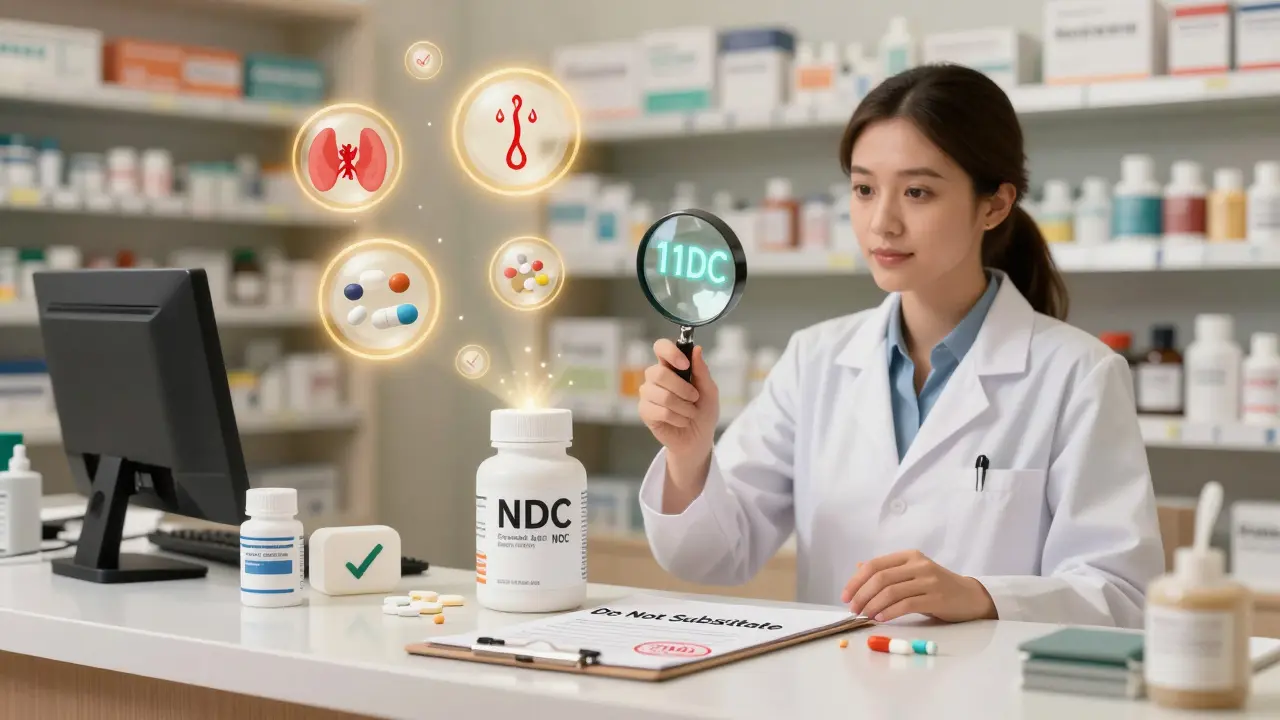
Ask your pharmacist for the National Drug Code (NDC) number. It’s a 11-digit number on the bottle. Compare it to the NDC of your brand drug. If the first 5-7 digits match, it’s likely an authorized generic - same manufacturer. If it’s different, it’s a regular generic.
You can also check the FDA’s Orange Book - but here’s the catch: authorized generics don’t appear there. Only regular generics do. So if you can’t find it in the Orange Book, it might be an authorized one. Confusing? Yes. That’s why you need to ask.
What Experts Say
Dr. Aaron Kesselheim from Harvard puts it plainly: "For most drugs, regular generics are fine. But for thyroid, epilepsy, and transplant meds? The formulation matters. Authorized generics remove the guesswork." The American College of Clinical Pharmacy agrees. Their 2021 statement says: "Switching should be individualized. When formulation consistency is critical, authorized generics are the preferred option." Meanwhile, the FDA maintains that "generic drugs are as safe and effective as brand-name drugs." But they also admit that "inactive ingredients can affect absorption." They don’t say which ones - or how often.
What Should You Do?
Here’s your practical guide:
- If you’re on a drug with a narrow therapeutic index - thyroid, seizure, blood thinner, transplant - ask for the authorized generic. Don’t wait for a problem to happen.
- If you’re on a statin, blood pressure med, or antidepressant, a regular generic is almost always fine. Save the money.
- Always check the NDC number. If you don’t know how, ask your pharmacist. They’re supposed to help you.
- Track how you feel after a switch. Did your energy drop? Did you get headaches? Did your seizures return? Write it down.
- If you had issues with a regular generic, ask your doctor to write "Do Not Substitute" on the prescription. It’s legal. And it works.
Insurance won’t always cover the authorized generic. But if you push - and if your doctor backs you up - many plans will make an exception.
What’s Changing in 2026?
The FDA started requiring clearer labeling for authorized generics in January 2024. Now, the label must say "Authorized Generic" or "Same as [Brand Name]." That’s a step forward. Medicare Part D plans are also required to tell you if an authorized version is available - something they didn’t have to do before.
By 2028, experts predict authorized generics will make up 12-15% of the market - up from 5% today. But they’ll still be the exception, not the rule. For most people, regular generics are fine. For some? They’re life-changing.
Is an authorized generic the same as the brand-name drug?
Yes, an authorized generic is manufactured by the same company that makes the brand-name drug, using the same ingredients, equipment, and process. The only difference is the label - no brand name appears on it. It’s not a copy. It’s the exact same product.
Are regular generics as good as brand-name drugs?
For most medications, yes. The FDA requires regular generics to be bioequivalent, meaning they deliver the same amount of active ingredient into your bloodstream as the brand. For drugs like statins or blood pressure meds, switching rarely causes problems. But for drugs with narrow therapeutic indices - like thyroid, seizure, or transplant meds - even small differences in inactive ingredients can affect how the drug works.
Why are authorized generics more expensive than regular generics?
Because they’re made by the original brand manufacturer, they don’t benefit from the same cost-cutting measures as regular generics. Regular generics are made by companies that specialize in low-cost production. Authorized generics keep the same expensive manufacturing lines, packaging, and quality controls as the brand - so they cost more.
Can I ask my doctor to prescribe an authorized generic?
Yes. You can ask your doctor to write "Do Not Substitute" on your prescription. This prevents the pharmacist from switching to a regular generic. You can also ask specifically for the authorized version by name. Many doctors will agree, especially for high-risk medications.
How do I know if my pill is an authorized generic?
Check the National Drug Code (NDC) on the bottle. Compare it to the NDC of your brand-name drug. If the first 5-7 digits match, it’s likely the same manufacturer - meaning it’s an authorized generic. You can also ask your pharmacist directly or use tools like GoodRx’s Medication Switch Checker.


Comments (10)