
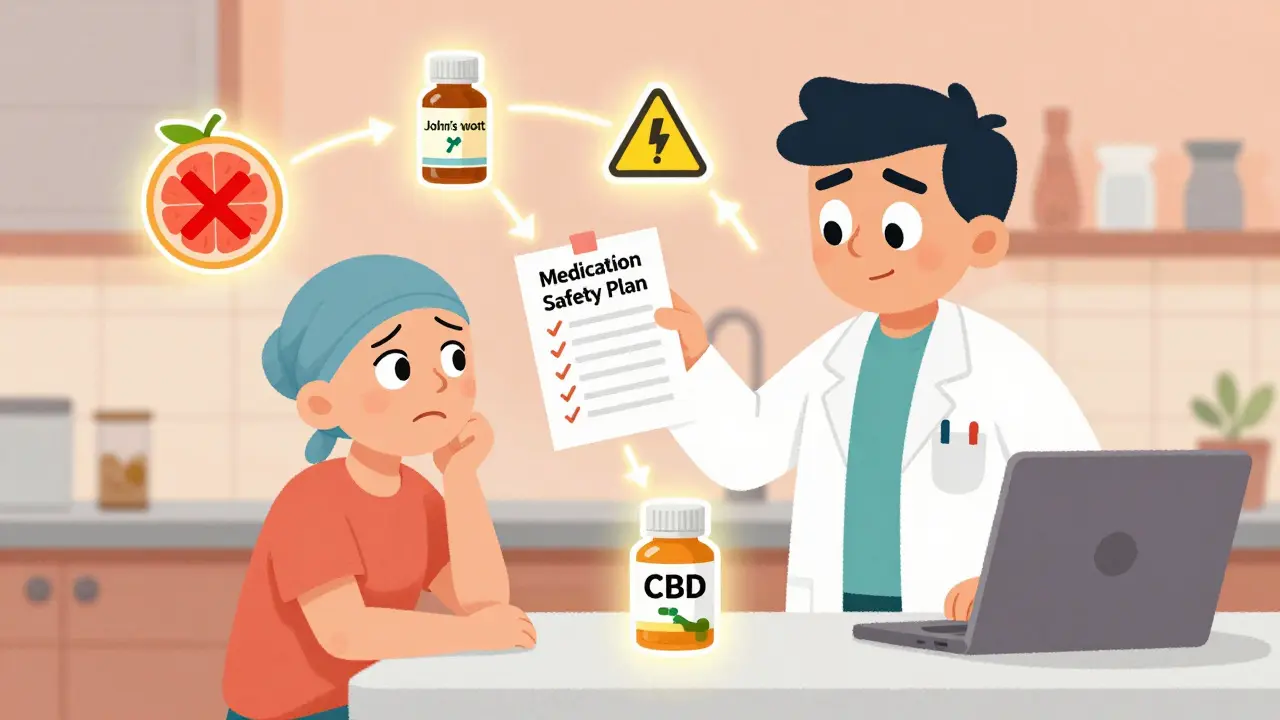
When you’re undergoing chemotherapy, every pill, supplement, or even grapefruit you eat could change how your treatment works. It’s not just about the cancer drug itself-it’s what else is in your body. About half of all outpatient cancer patients experience at least one potential drug interaction with their chemotherapy, and one in three of those interactions could lead to serious harm. These aren’t rare edge cases. They’re everyday risks that can mean the difference between treatment success and life-threatening complications.
Why Chemotherapy Interactions Are Different
Chemotherapy drugs don’t play nice with much of anything. Unlike many other medications, they’re designed to be powerful enough to kill fast-growing cells-cancer cells, yes, but also healthy ones in your gut, hair follicles, and bone marrow. That same intensity makes them more likely to clash with other substances. There are three main types of interactions you need to watch for:- Pharmacokinetic - This is about how your body absorbs, breaks down, or gets rid of the drug. Most of these happen in the liver, through enzymes called cytochrome P450 (CYP450). If two drugs use the same enzyme pathway, they can block each other. For example, grapefruit juice contains chemicals that shut down CYP3A4, a key enzyme. That means if you’re taking oral chemo like erlotinib or sunitinib and drink grapefruit juice, your drug levels can spike dangerously high.
- Pharmacodynamic - This is about what the drugs do together in your body. Two drugs might both hurt your kidneys. Put them together, and you risk kidney failure. Or, one drug might make your blood thinner, and another might lower your platelets. Combine them, and you could bleed internally.
- Immunological - This is new and scary. With immunotherapy drugs like pembrolizumab or nivolumab, your immune system is turned up to fight cancer. But if you take another drug that also affects immunity-like a common herbal supplement or even a steroid-it can trigger severe reactions. Cases have been reported where patients developed liver failure or life-threatening skin conditions like Stevens-Johnson Syndrome after mixing immunotherapy with supplements.
What makes this worse? Most people don’t think of supplements as drugs. But they are. And they’re not regulated like prescription meds. A study found that nearly 40% of herbal products contain unlisted ingredients-sometimes even prescription drugs you didn’t know you were taking.
Common Culprits: What to Avoid
Some interactions are so well-documented, they’re considered red flags. Here’s what you need to know:- Grapefruit and Seville oranges - These aren’t just a breakfast annoyance. They block CYP3A4, which affects at least 50% of oral chemotherapy drugs. Even a single glass of juice can have effects lasting days. No exceptions.
- St. John’s Wort - This popular herb for depression speeds up the breakdown of many chemo drugs. It can make your treatment useless. Patients on capecitabine or irinotecan have had treatment fail after taking it.
- Antidepressants like SSRIs - For breast cancer patients on tamoxifen, certain antidepressants (especially paroxetine and fluoxetine) block the enzyme that turns tamoxifen into its active form. This can cut the drug’s effectiveness by up to 70%. Sertraline or citalopram are safer choices, but only if your oncology team approves them.
- Blood thinners and herbal supplements - Fish oil, garlic, ginger, ginkgo, ginseng, and turmeric all increase bleeding risk. If you’re on chemo that lowers platelets-or you’re scheduled for surgery-these can cause dangerous bleeding. The VA recommends stopping them at least 10 days before any procedure.
- Over-the-counter painkillers - Ibuprofen and naproxen can worsen kidney damage from cisplatin or carboplatin. Acetaminophen is usually safer, but even that can stress the liver if you’re on multiple liver-metabolized drugs.
And it’s not just what you take. What you eat matters too. High-fat meals can change how your body absorbs oral chemo like capecitabine. Some drugs need to be taken on an empty stomach. Others need food to reduce nausea. Follow your pharmacy’s instructions exactly.
Who’s at Highest Risk?
It’s not just about the drugs you’re on. Your body matters too.- People over 65 - About 60% of cancer diagnoses happen in this group. Older adults often take five or more medications daily. Their livers and kidneys don’t clear drugs as efficiently. One study found that 75% of elderly cancer patients had potential for serious drug interactions.
- Those with liver or kidney disease - If your body can’t process or remove drugs, they build up. Even normal doses can become toxic.
- Patients on multiple therapies - Combination chemo, radiation, targeted therapy, and immunotherapy all stack up. Each new drug adds another chance for a bad interaction.
- People using supplements - Nearly 70% of cancer patients take some kind of herbal or vitamin supplement. Most never tell their doctor. That’s the biggest blind spot in safety.
How to Protect Yourself
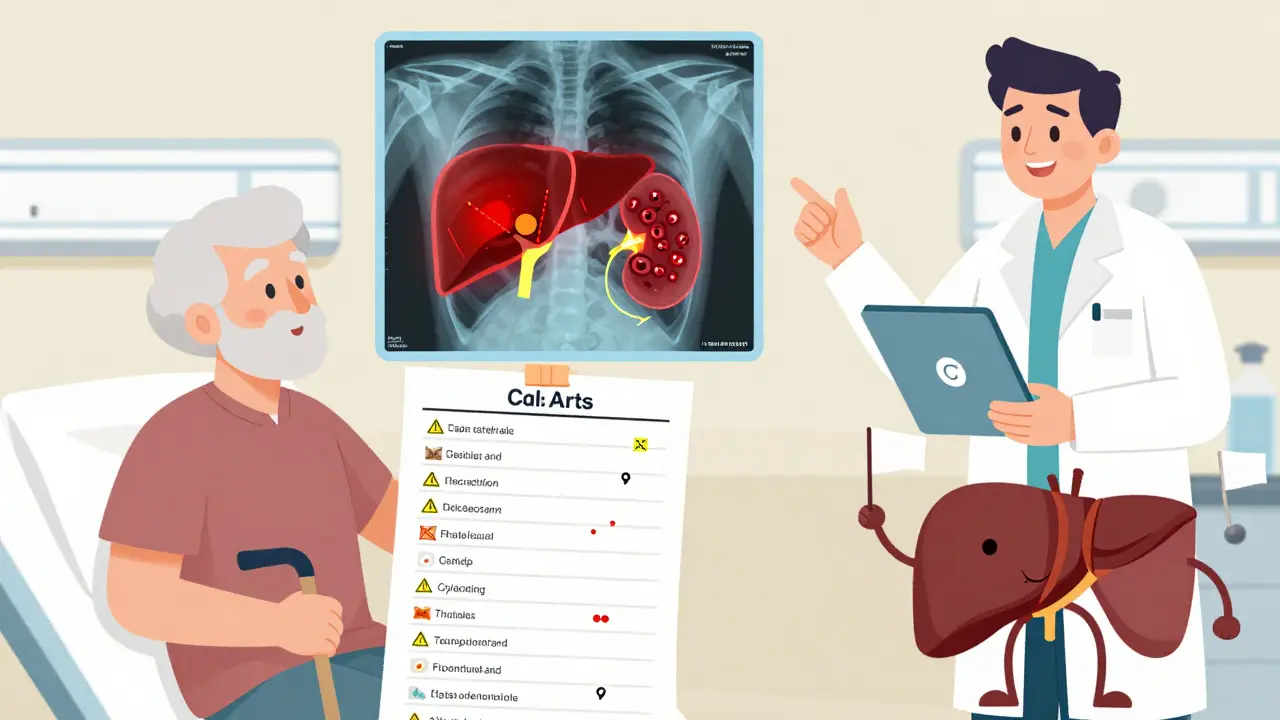
You don’t have to guess. There are clear steps you can take:- Make a complete list - Write down every prescription, over-the-counter pill, vitamin, herb, tea, and even CBD product you take. Include dosages and how often you take them.
- Bring it to every appointment - Don’t rely on memory. Show it to your oncologist, pharmacist, and nurse. Even if they’ve seen it before, update it. Things change fast during treatment.
- Ask: ‘Is this safe with my chemo?’ - Before taking anything new-even a cold medicine or probiotic-ask your oncology pharmacist. They’re the experts in drug interactions. Most cancer centers have them on staff.
- Use trusted resources - Tools like Lexicomp and Micromedex have oncology-specific interaction checkers. Your pharmacy can access them. Don’t rely on Google or random websites.
- Never start or stop a supplement without talking to your team - Even something as simple as vitamin C or melatonin can interfere with chemo’s ability to kill cancer cells.
Some patients think, “I’ve been taking this supplement for years.” But cancer treatment changes your body’s chemistry. What was fine last year might be dangerous now.
The Role of the Oncology Pharmacist
You wouldn’t drive a race car without a mechanic. Don’t treat cancer without a pharmacist on your team. Oncology pharmacists don’t just fill prescriptions. They screen for interactions, adjust doses based on kidney or liver function, warn about food conflicts, and help you understand your regimen. In fact, studies show that when pharmacists are part of the care team, the number of serious drug interactions drops by more than half. Yet, many patients still see their oncologist and then go to a regular pharmacy. That’s a gap. Ask if your cancer center has an oncology pharmacy. If not, ask your doctor to refer you to one.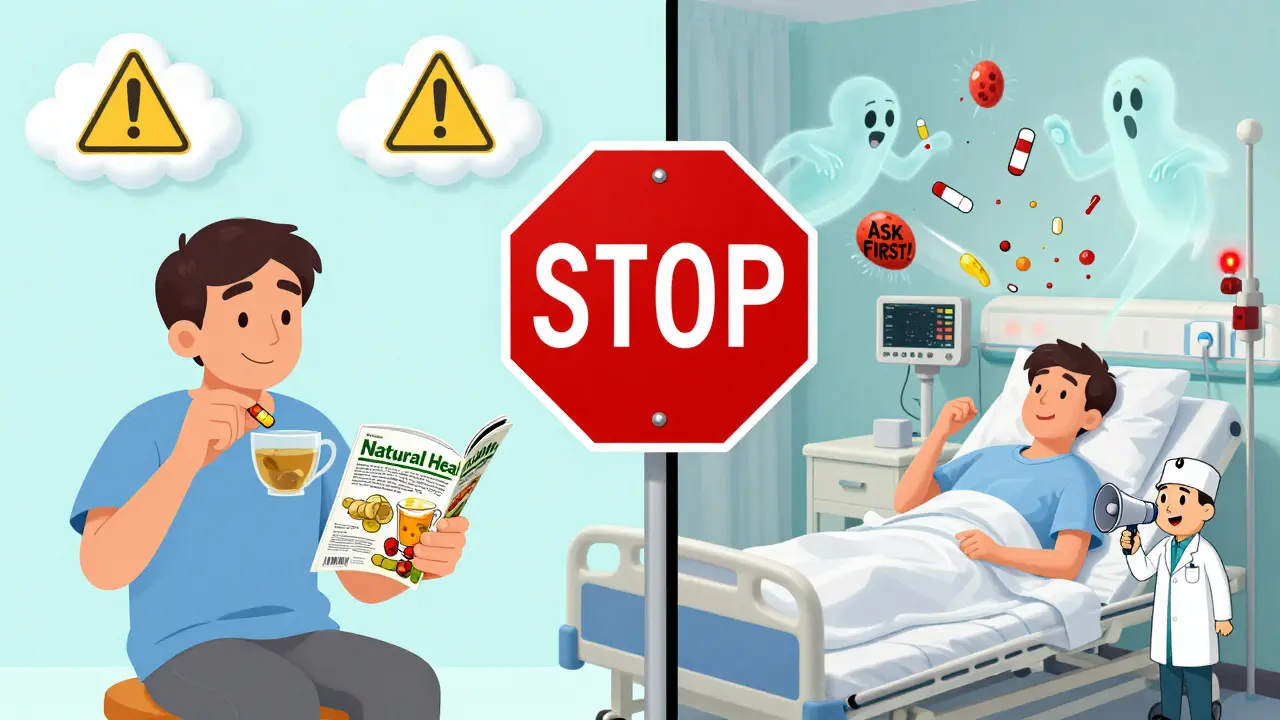
What’s Changing Now
The landscape is shifting fast. More than 25% of new chemotherapy drugs in development are oral pills-not IV infusions. That means you’re taking them at home, every day, with no nurse watching. That increases the chance of mistakes-and interactions. Immunotherapy is another game-changer. Unlike chemo, which attacks cells directly, immunotherapy wakes up your immune system. That makes interactions harder to predict. A drug that’s safe with chemo might cause a deadly immune reaction with immunotherapy. Researchers are now looking at genetic testing to predict who’s at risk. Some people have a gene variant that makes them slow metabolizers of certain drugs. That means standard doses could be toxic. Others are fast metabolizers-meaning the drug gets cleared too quickly to work. The future is personal. Treatment will be tailored not just to your cancer type, but to your genes, your liver function, your other medications, and even your diet.Bottom Line: Safety Is a Team Sport
Chemotherapy is powerful. But it’s not magic. It works best when everything else in your body is under control. The biggest threat isn’t the cancer-it’s the hidden conflicts between your drugs, your supplements, and your habits. You’re not alone in this. Your oncology team is there to help. But you have to speak up. Tell them everything. Ask questions. Double-check every new medication-even if it’s sold as “natural.” The goal isn’t just to survive cancer. It’s to get through treatment without a second crisis. That means knowing what’s safe, what’s risky, and who to ask when you’re not sure.One less interaction could mean one more cycle of treatment. One more chance. One more day.
Can I take vitamins while on chemotherapy?
Some vitamins are fine, others can interfere. High-dose antioxidants like vitamin C, E, or selenium may protect cancer cells from chemo’s damage. B vitamins can affect how certain drugs are processed. Always talk to your oncology pharmacist before taking any vitamin or mineral supplement-even a daily multivitamin.
Is it safe to use CBD oil during cancer treatment?
CBD can interfere with the liver enzymes that break down chemotherapy drugs, especially those processed by CYP3A4 and CYP2D6. This can lead to higher drug levels and more side effects. There’s also no reliable data on how CBD affects cancer outcomes. Until more research is done, avoid it unless your oncology team specifically approves it.
What should I do if I accidentally take something that might interact?
Call your oncology clinic or pharmacist immediately. Don’t wait for symptoms. Some interactions cause harm days later. Bring the product with you if possible-even the bottle. They’ll check if it’s a serious interaction and whether you need blood tests or a dose change.
Do all chemotherapy drugs have the same interaction risks?
No. Older chemo drugs like cyclophosphamide have well-known interaction profiles. Newer targeted therapies and immunotherapies have different, less predictable risks. Oral chemo drugs are more likely to interact with food and supplements than IV drugs. Your oncology team will tailor advice based on your specific drugs.
Why do some doctors say supplements are fine, while others say avoid them?
There’s no universal rule. Some doctors may not be trained in drug interactions. Others may rely on outdated info. Oncology pharmacists and specialized cancer centers are the most reliable sources. If your doctor says it’s safe, ask: ‘Is there research showing this doesn’t interfere with my specific chemo drugs?’ If they can’t point to evidence, be cautious.
Can I drink alcohol while on chemotherapy?
Alcohol can stress your liver, especially if you’re on drugs metabolized by it. It can also worsen dehydration, nausea, and mouth sores. For some drugs, like methotrexate, alcohol increases liver damage risk. Most oncology teams recommend avoiding alcohol completely during treatment. If you want to have a drink, ask your team first.
If you’re taking chemotherapy, every choice matters. The right information can keep you safe. The wrong assumption can cost you your treatment-and your health.


Comments (8)