
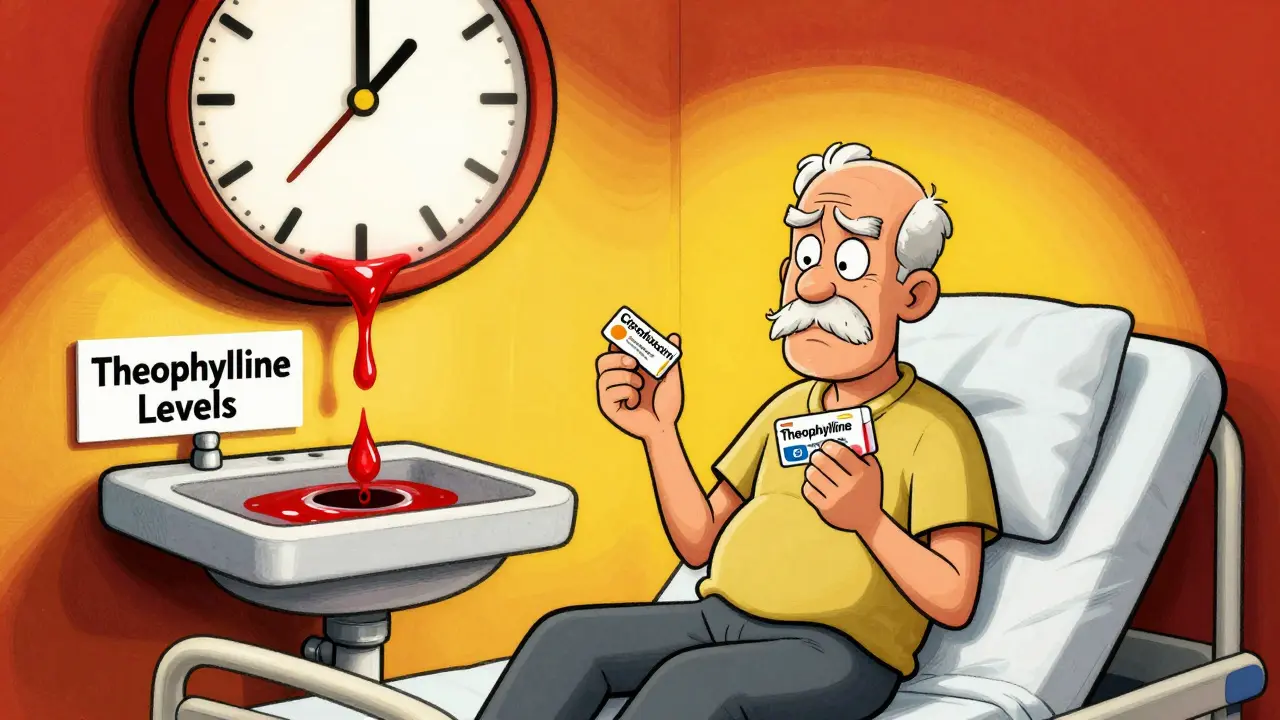
Theophylline-Ciprofloxacin Interaction Calculator
This calculator estimates how ciprofloxacin affects your theophylline levels. Based on the article, ciprofloxacin can increase theophylline levels by 40-80%, potentially pushing you into toxic ranges (above 20 mg/L).
Input Your Data
How This Works
Ciprofloxacin inhibits the CYP1A2 enzyme that breaks down theophylline. This calculator estimates:
- How much theophylline levels may increase (40-80% range)
- Whether your new levels might enter toxic range
- Patient-specific risk factors that increase danger
Warning: Theophylline has a narrow therapeutic range (10-20 mg/L). Levels above 20 mg/L cause side effects, and above 30 mg/L risk seizures.
Results
Combining ciprofloxacin and theophylline might seem harmless if you’re just treating a lung infection and a breathing condition at the same time. But this combo can push theophylline levels into the danger zone - fast. And when that happens, your heart can start racing out of control, your stomach can rebel, or worse, you could have a seizure. This isn’t rare. It’s predictable. And it’s preventable.
What’s Really Going On?
Theophylline is an old-school bronchodilator used for COPD and asthma. It works, but it’s tricky. The difference between a helpful dose and a toxic one is razor-thin. Normal blood levels? Between 10 and 20 mg/L. Go above 20, and side effects creep in. Hit 25-30, and you risk dangerous heart rhythms. Cross 30 mg/L? Seizures become a real threat.
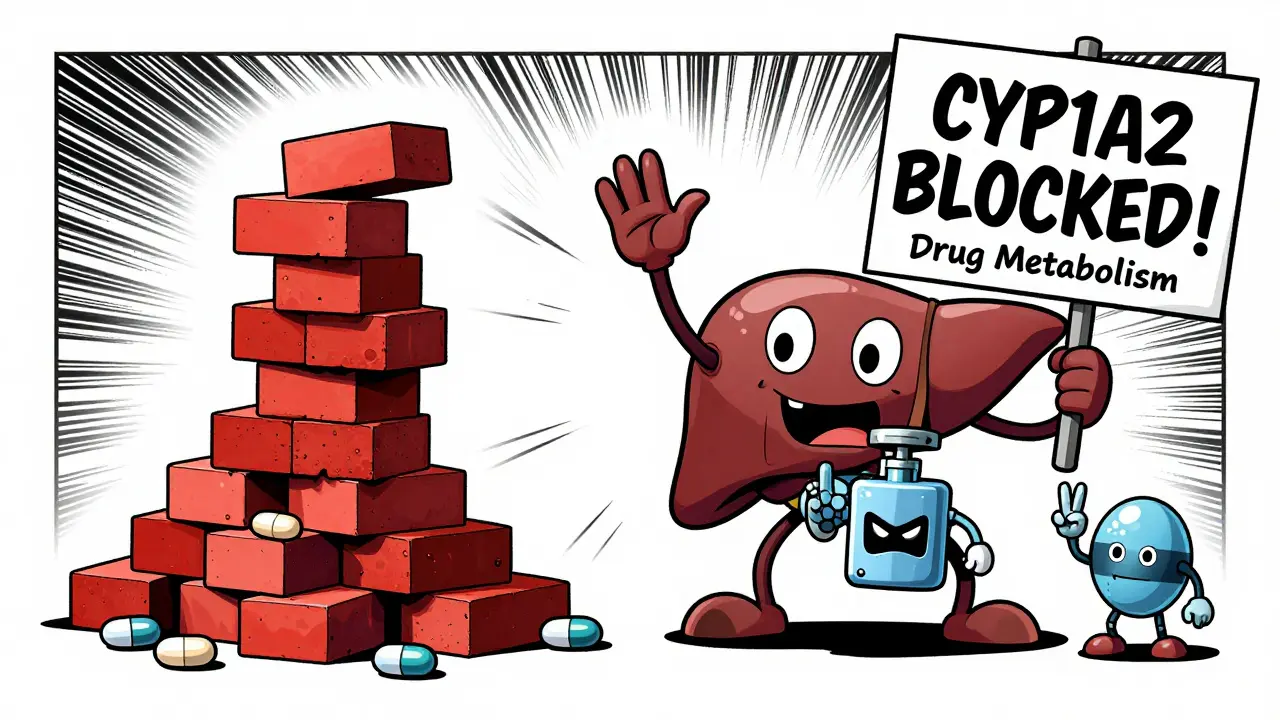
Ciprofloxacin, a common antibiotic for urinary tract infections, sinus infections, or pneumonia, doesn’t just kill bacteria. It also shuts down a key liver enzyme called CYP1A2. That’s the same enzyme your body uses to break down theophylline. When ciprofloxacin blocks it, theophylline doesn’t get cleared. It builds up. Like water in a sink with the drain plugged.
Studies show ciprofloxacin can increase theophylline levels by 40% to 80%. One study found that in just a few days, the half-life of theophylline - how long it stays in your body - jumped from 8 hours to over 14 hours. That’s more than double. Even a small dose of theophylline can turn toxic if you’re taking ciprofloxacin.
Who’s at Highest Risk?
You don’t have to be old to be at risk. But if you’re over 65, your liver and kidneys don’t process drugs as efficiently. A 2015 meta-analysis found that older adults clear theophylline 45% slower than younger people when ciprofloxacin is added. That means even if you’ve taken theophylline for years without issues, adding ciprofloxacin can flip a switch you didn’t know was there.
And it’s not just seniors. People with liver disease, smokers (who naturally clear theophylline faster), or those on other meds that affect liver enzymes are also more vulnerable. But here’s the scary part: you might not feel anything at first. Nausea? Maybe you blame it on food. A faster heartbeat? You think you’re just stressed. By the time you’re vomiting, shaking, or confused, it’s already serious.
The Evidence Isn’t Theoretical - It’s Real
In 1987, a 78-year-old man in Glasgow started taking ciprofloxacin for a urinary infection. His theophylline dose hadn’t changed. Within days, his theophylline blood level skyrocketed. His clearance rate dropped from 2.3 liters per hour to 0.8. He was hospitalized. After stopping ciprofloxacin, his levels returned to normal. That case changed how doctors think about this combo.
Fast-forward to 2011: researchers analyzed over 77,000 older adults in Ontario. They found that those taking ciprofloxacin while on theophylline were nearly twice as likely to be hospitalized for toxicity compared to those on other antibiotics. Levofloxacin? No increased risk. Amoxicillin? Safe. Trimethoprim-sulfamethoxazole? No problem. Only ciprofloxacin stood out.
And it’s not just one study. A 2020 analysis by the Institute for Safe Medication Practices ranked this interaction as Category A: High Severity - the highest level. About 15-20% of theophylline toxicity cases in older adults are directly linked to ciprofloxacin. In the U.S., that’s roughly 4,200 hospitalizations every year. And a 2021 study found that over 9,300 Medicare patients had adverse events from this combo - nearly all preventable.
Why Do Doctors Still Prescribe It?
Even with decades of warnings, a 2018 study found that 12.7% of older adults on theophylline were still getting ciprofloxacin. Why? Because it’s fast. It’s effective. And sometimes, doctors think, “They’ve taken it before without issues.”
But here’s the flaw: the interaction isn’t about past tolerance - it’s about current chemistry. Your body doesn’t “get used to” enzyme inhibition. Each time you take ciprofloxacin, it blocks CYP1A2 again. And if you’ve been on theophylline for years, your dose was likely set for your old metabolism. Now, with ciprofloxacin, that same dose becomes a poison.
Electronic alerts pop up in hospital systems. But a 2017 study found that nearly 70% of those alerts were ignored. The top reason? “The infection is urgent - we need to treat it now.” But here’s the truth: there are better options.
What Should You Do Instead?
If you’re on theophylline and need an antibiotic, ciprofloxacin is not your best choice - even if it’s the one your doctor reaches for first.
- Levofloxacin or moxifloxacin: These are fluoroquinolones too, but they barely touch CYP1A2. Levofloxacin raises theophylline levels by only 10-15%. Much safer.
- Amoxicillin-clavulanate: A common antibiotic for respiratory infections. No interaction with theophylline. First-line in guidelines.
- Azithromycin: A macrolide antibiotic. Minimal effect on liver enzymes. Often recommended for COPD exacerbations.
Even better: if you’re on theophylline and get sick, ask your doctor to check your blood level before starting any new antibiotic. Don’t wait for symptoms. If ciprofloxacin is unavoidable, guidelines from the American Society of Health-System Pharmacists (2023) say to cut your theophylline dose by 30-50% right away. Then check your levels every 24-48 hours. Don’t guess. Don’t hope. Measure.
What Are the Early Warning Signs?
You don’t need to wait for a seizure. Toxicity starts quietly:
- Nausea or vomiting
- Headache
- Restlessness or nervousness
- Fast heartbeat (over 100 bpm)
- Tremors or shaking hands
- Difficulty sleeping
If you’re on both drugs and notice even one of these, don’t wait. Call your doctor. Go to urgent care. This isn’t “just a side effect.” It’s a red flag.
What About New Research?
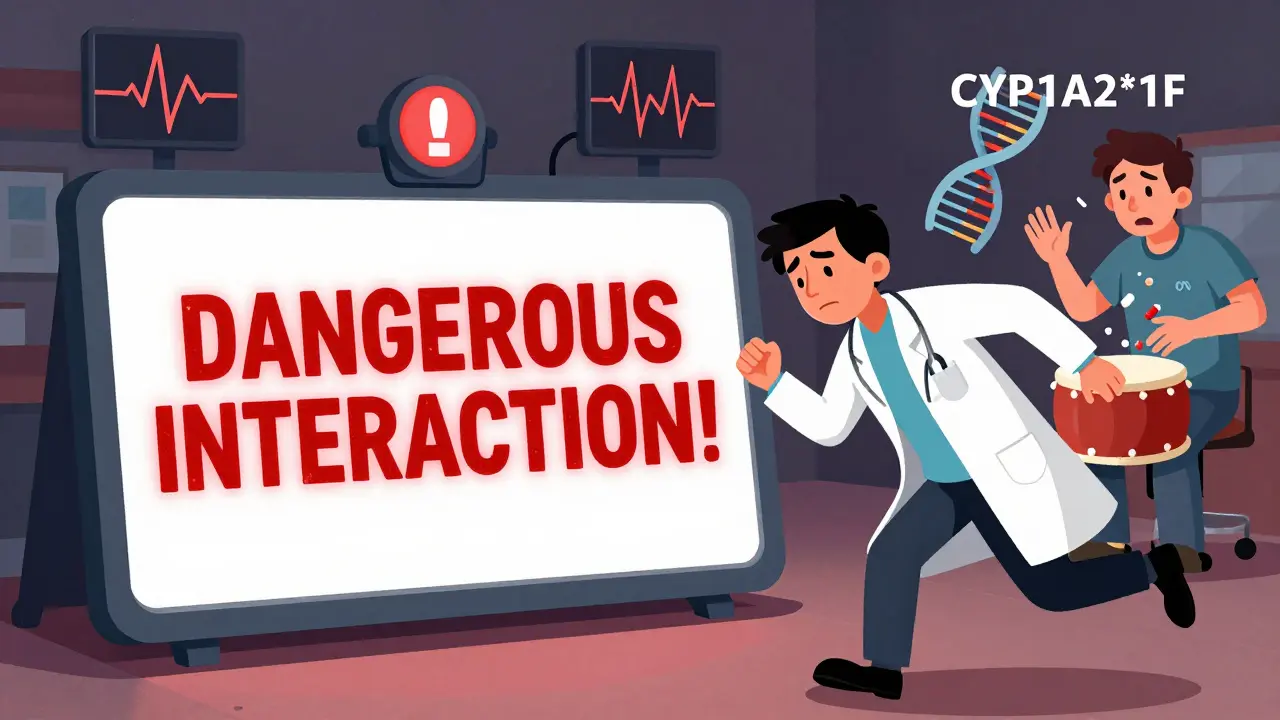
Science is catching up. Researchers at the University of Toronto are studying a genetic variant called CYP1A2*1F. People with this variant clear theophylline 65% slower when exposed to ciprofloxacin. That means some people are genetically wired to be at higher risk - even if they’re young and healthy.
Future testing might include a simple genetic screen before prescribing ciprofloxacin to anyone on theophylline. But for now, the rules are simple: avoid the combo. If you can’t avoid it, reduce the dose. Monitor closely. Don’t rely on memory. Don’t assume safety.
Bottom Line
This isn’t a theoretical risk. It’s a real, documented, preventable danger. Ciprofloxacin and theophylline together have caused seizures, heart attacks, and hospitalizations - year after year. And every single case could have been avoided with better awareness, better testing, or a different antibiotic.
If you’re taking theophylline, know this: ciprofloxacin is not your friend. Ask your doctor: “Is there a safer antibiotic?” If they say ciprofloxacin is the only option, ask them to check your theophylline level before and after. And if you’ve been on both drugs without knowing the risk - talk to your pharmacist. They’re trained to catch this.
Medications save lives. But when they collide, they can turn deadly. This interaction has been known for over 35 years. It’s not a mystery. It’s a warning we keep ignoring.


Comments (8)