
Respiratory Risk Calculator
Assess Your Combined Medication Risk
Based on FDA guidelines and clinical studies, this tool calculates your risk of respiratory depression when taking gabapentinoids with opioids.
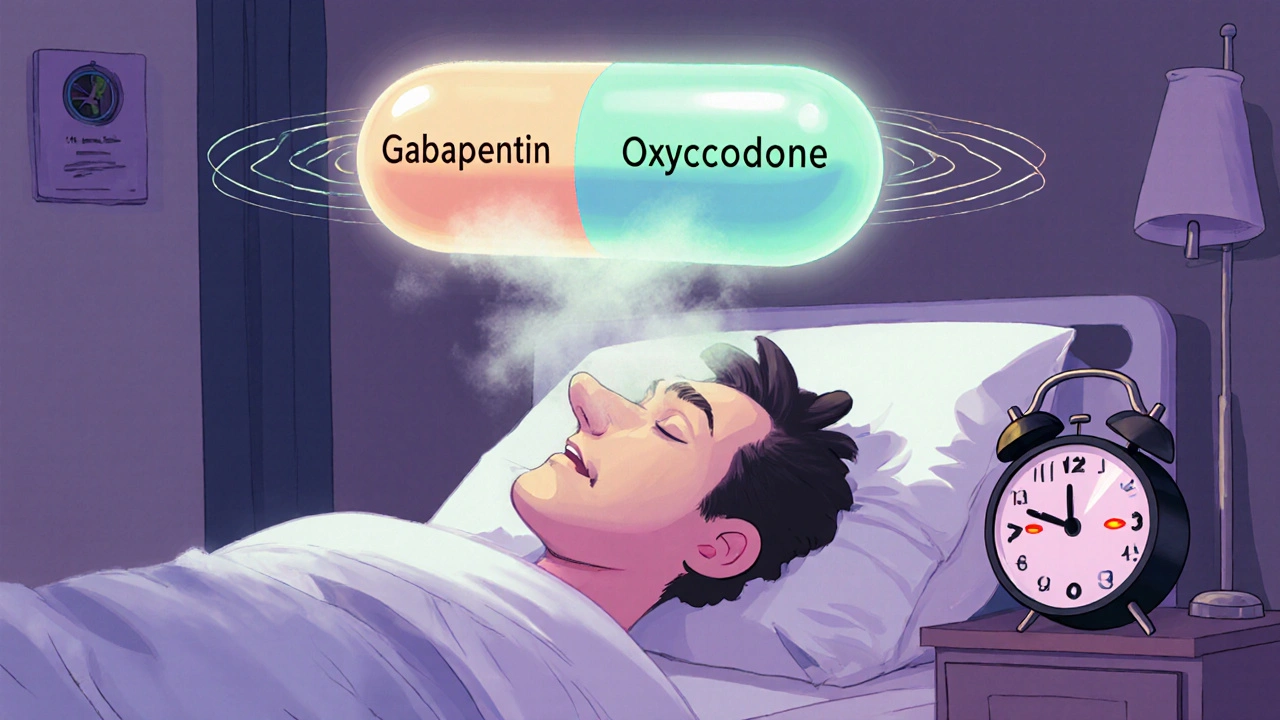
When you take gabapentin or pregabalin for nerve pain, and your doctor adds an opioid like oxycodone or hydrocodone for extra relief, you might think you’re getting better pain control. But what you’re really doing is stacking two drugs that can quietly shut down your breathing - and sometimes, that’s deadly.
What Happens When Gabapentinoids and Opioids Mix?
Gabapentinoids - that’s gabapentin (Neurontin, Horizant) and pregabalin (Lyrica) - were never meant to be paired with opioids. They were developed to treat seizures and nerve pain, not to boost painkillers. But over the past decade, doctors started prescribing them together more often. Why? Because opioid guidelines pushed clinicians to find alternatives to high-dose painkillers. Gabapentinoids seemed like a safe bet. They’re not. Both gabapentinoids and opioids slow down your central nervous system. That’s how they work. Opioids bind to receptors in your brainstem that control breathing. Gabapentinoids do something similar - they reduce nerve activity in areas that keep your breathing steady. When you take them together, their effects don’t just add up. They multiply. The U.S. Food and Drug Administration (FDA) looked at over 100,000 reports from 2012 to 2017 and found 49 cases of serious respiratory depression linked to gabapentinoids. In 92% of those cases, the patient was also taking another CNS depressant - usually an opioid. Twelve people died. Every single one had at least one risk factor: age, kidney problems, lung disease, or a high dose of either drug.How Bad Is the Risk?
A 2017 study in PLOS Medicine followed over 16 years of prescription data and found something chilling: patients taking both gabapentin and an opioid had a 50% higher chance of dying from an opioid overdose. If they were on high doses of gabapentin? The risk nearly doubled - a 98% increase. That’s not a small number. It’s not rare. It’s happening in real clinics, every day. And it’s not just about overdoses. Even at normal doses, gabapentinoids can cause breathing pauses during sleep. One small study with eight healthy men showed that a single dose of gabapentin led to significantly more apnea episodes at night than placebo. Imagine sleeping with your breathing stopping more often - and then adding an opioid on top of that.Who’s Most at Risk?
You might think, “I’m young and healthy. This won’t happen to me.” But the risk isn’t just for the elderly or the sick. Here’s who’s most vulnerable:- People over 65 - lung function declines naturally with age
- Those with COPD, asthma, or sleep apnea - their bodies are already struggling to breathe
- Patients with kidney problems - gabapentin and pregabalin are cleared by the kidneys. If your kidneys are weak, the drugs build up in your system
- Anyone on high doses - doses above 1,800 mg/day of gabapentin or 300 mg/day of pregabalin raise the risk sharply
- People recovering from surgery - especially chest or abdominal procedures where breathing is already compromised
Why Do Doctors Keep Prescribing Them Together?
It’s a paradox. In 2017, nearly 25% of new gabapentin prescriptions came with an opioid. That’s one in four patients. Doctors thought they were reducing opioid use by adding gabapentinoids. The idea was: “Less opioid = safer.” But research shows that’s not true. A 2020 analysis in JAMA Network Open found no strong evidence that gabapentinoids improve pain control when added to opioids. In fact, in many surgical cases, the pain relief was no better than opioids alone. So why do it? Because it’s easy. Gabapentinoids are cheap, widely available, and not tightly controlled like opioids. Many prescribers don’t realize the breathing risk. They see it as a “side effect” of opioids, not the gabapentinoid. The FDA issued a warning in 2019. The UK’s MHRA did the same. Labels now say: “May cause respiratory depression, especially with opioids.” But warnings don’t change practice unless education does.What Should You Do If You’re Taking Both?
If you’re on gabapentin or pregabalin and also taking an opioid - stop panicking. But do this:- Don’t stop either drug suddenly. That can cause seizures, withdrawal, or worse pain.
- Call your doctor. Ask: “Am I at risk for breathing problems?”
- Ask if you can lower the dose of one or both drugs.
- If you’re over 65, have lung disease, or kidney issues, ask for a kidney function test (creatinine clearance). Doses need to be lowered if your kidneys aren’t working well.
- Watch for signs: unusual drowsiness, slow or shallow breathing, confusion, or waking up gasping for air.


Comments (18)