
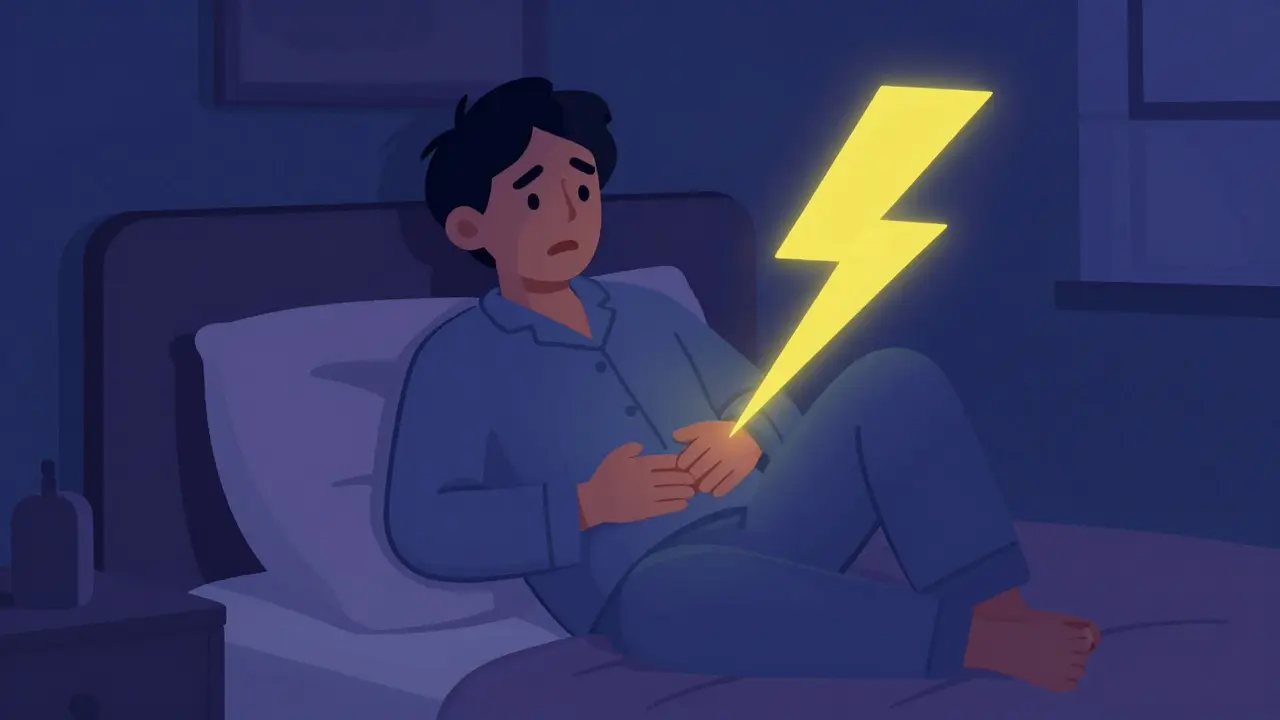
If you are taking these medications, you need to know that the same mechanism that helps you feel full and lose weight can also slow down your gallbladder to a crawl. This isn't just a "stomach ache" or typical nausea. When your gallbladder stops emptying properly, bile builds up, creating a perfect storm for stones and severe infections. Understanding the difference between a normal side effect and a surgical emergency can literally save your life.
The Connection Between Weight Loss Drugs and Gallstones
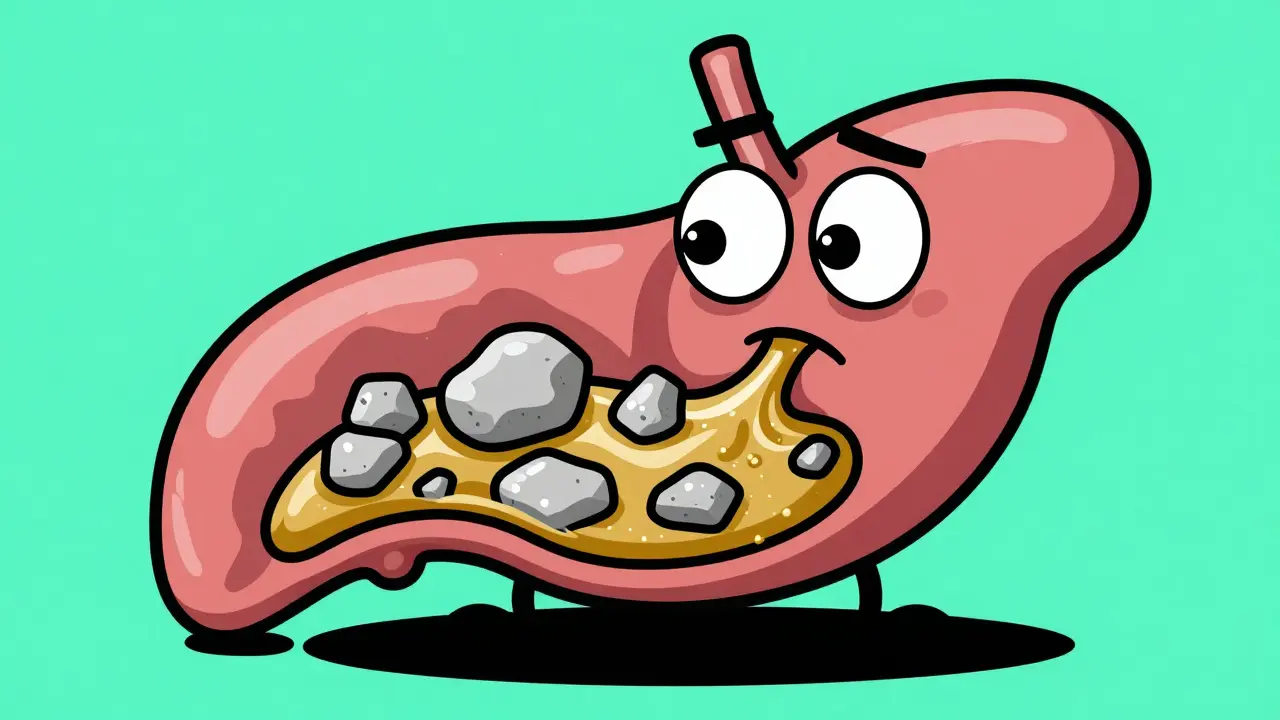
Why does a diabetes medication affect your gallbladder? It comes down to a hormone called cholecystokinin. Normally, when you eat, this enzyme tells your gallbladder to contract and squeeze bile into your small intestine to help digest fats. GLP-1 receptor agonists (GLP-1 RAs) essentially put a mute button on this process. By suppressing that secretion, the medication inhibits gallbladder motility.
When bile sits still for too long, it becomes concentrated and forms a "sludge." This sludge eventually hardens into gallstones. A massive meta-analysis published in JAMA Internal Medicine involving over 56,000 participants found that these drugs carry a 37% excess relative risk for gallbladder and biliary diseases. To put that in perspective, the risk is significantly higher in weight loss trials (around 1.3%) compared to those used strictly for diabetes control (0.3%). This suggests that the more weight you lose-and the higher the dose you take-the more your gallbladder is at risk.
Identifying the Red Flags: When Pain Is a Warning
Most people starting these meds expect some nausea or bloating. However, gallbladder pain is different. It's often described as "biliary colic," a sharp, cramping pain that typically hits after a meal, especially one high in fat (think tacos or fried chicken).
You should treat the following as medical red flags that require immediate attention:
- Right Upper Quadrant (RUQ) Pain: Persistent pain in the top right side of your abdomen, just under the ribs, lasting more than 30 minutes.
- Referred Pain: Pain that radiates from your stomach up toward your right shoulder or shoulder blade.
- The "Fatty Meal" Trigger: Sudden, intense abdominal pain shortly after eating greasy or fatty foods.
- Systemic Symptoms: Nausea and vomiting that accompany the pain, or the development of a fever and chills, which often signals Cholecystitis an acute inflammation of the gallbladder usually caused by a stone blocking the cystic duct
Data shows that 93% of these cases occur within the first year of treatment, with a peak window between 3 and 9 months. If you're in that timeframe and feeling these symptoms, don't just "tough it out" or assume it's a gastrointestinal side effect.
Comparing the Risk Across Different GLP-1 Medications
Not all GLP-1 medications are created equal when it comes to your gallbladder. The risk tends to correlate with how powerful the drug is at inducing weight loss. For example, Liraglutide a daily injectable GLP-1 RA and Semaglutide the active ingredient in Ozempic and Wegovy show much higher relative risks than older options like exenatide.
| Medication | Relative Risk Level | Common Usage | Primary Risk Driver |
|---|---|---|---|
| Liraglutide | Highest | Diabetes/Obesity | High dose potency |
| Semaglutide | High | Diabetes/Obesity | Rapid weight loss |
| Exenatide | Low/Moderate | Diabetes | Lower weight impact |
If you've already had your gallbladder removed (a cholecystectomy), you are largely shielded from this specific complication. While there is a tiny chance of a residual stone getting stuck in the bile duct, the primary risk of developing new gallstones is gone.
Proactive Steps for Patients and Clinicians
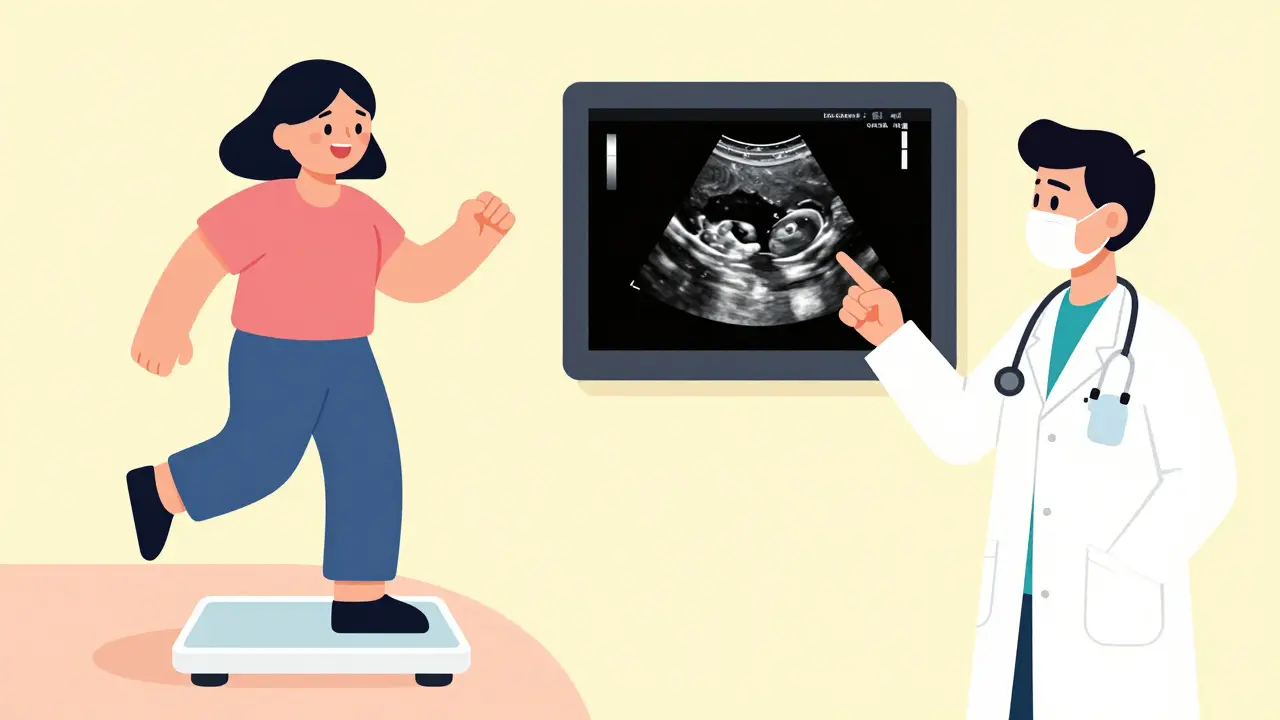
Preventing a gallbladder emergency starts with knowing your baseline. If you fit into high-risk categories-such as being female, over 40, having a BMI over 30, or a history of gallstones-you should talk to your doctor about a baseline abdominal ultrasound before starting these medications.
One of the biggest drivers of stone formation is the speed of weight loss. Losing more than 1.5 kg (about 3.3 lbs) per week can increase the risk of stone movement by over 4 times. The Endocrine Society now suggests slower weight loss targets (0.5-1 kg per week) for those at high risk to keep the gallbladder stable.
If you do experience the red flags mentioned above, the standard medical response is usually an urgent ultrasound. In many cases, this leads to a Cholecystectomy the surgical removal of the gallbladder. Research indicates that roughly 75% of patients who develop acute cholecystitis while on these drugs end up needing surgery.
The Bigger Picture: Balancing Benefits and Risks
It's easy to get caught up in the fear of gallstones, but context is everything. For a person with type 2 diabetes, the cardiovascular protections offered by GLP-1 RAs-like reducing the risk of heart attack or stroke-often far outweigh the risk of gallbladder issues. The absolute risk of developing gallstones is still relatively low; for instance, about 1 in 100 people on semaglutide develop them.
However, the sheer volume of people now using these drugs for weight loss (with millions of Wegovy prescriptions alone) means that the number of gallbladder emergencies is climbing. We are seeing a shift in clinics where a significant percentage of new gallbladder surgeries are linked to these medications. This is why the FDA updated the prescribing labels in 2023 to be more transparent about these risks.
Is the abdominal pain from GLP-1 drugs just normal nausea?
No. Normal nausea usually feels like a general sickness in the stomach or upper abdomen and often improves as you adjust to the dose. Gallbladder pain is typically localized in the right upper quadrant, feels sharp or cramping, and often spikes after eating fatty foods. If the pain lasts more than 30 minutes or radiates to your shoulder, it is likely not standard nausea.
Can I take medication to prevent gallstones while on Ozempic or Wegovy?
Some doctors are exploring the use of ursodeoxycholic acid (UDCA) to prevent stone formation in high-risk patients. While this is currently being studied in clinical trials, you should only use such medications under the strict supervision of a gastroenterologist.
Does the risk of gallbladder issues go away after the first year?
The data suggests the risk is highest during the first 6 to 12 months of treatment, coinciding with the period of most rapid weight loss. Once your dose stabilizes and weight loss slows down, the risk generally decreases, although established stones can still cause problems later.
What should I do if I have a history of gallstones but want to lose weight with these drugs?
You should use these medications with extreme caution. Consult with a gastroenterologist first to assess the size and location of existing stones. Because rapid weight loss can push existing stones into the bile duct, a customized, slower titration schedule is often necessary.
Will my doctor stop my medication if I get gallstones?
In many cases, yes. About 78% of patients who experience acute cholecystitis while on GLP-1 RAs are advised to discontinue the medication to allow the inflammation to subside and to prevent further complications during surgical recovery.