
Key Safety Takeaways
- Never exceed 4,000 mg of acetaminophen in 24 hours for healthy adults.
- Limit intake to 2,000 mg daily if you have pre-existing liver disease.
- Avoid alcohol entirely while taking acetaminophen to prevent synergistic toxicity.
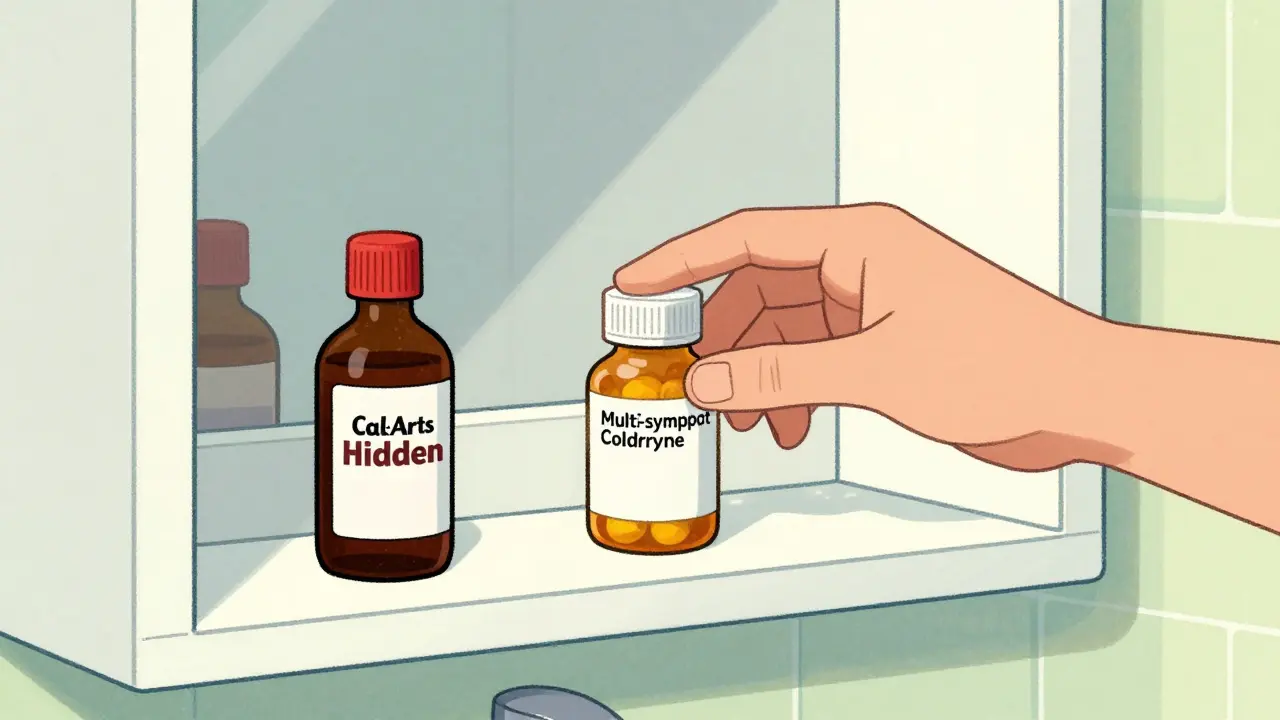
- Check labels of cold and flu medicines; they often contain "hidden" acetaminophen.
- Watch for early warning signs like nausea, jaundice, or upper right abdominal pain.
The Hidden Risk in Your Medicine Cabinet
The biggest problem with acetaminophen (also known as paracetamol) isn't just the pills labeled as pain relievers. It is the fact that this active ingredient is found in over 600 different prescription and OTC products. You might take a headache pill and a multi-symptom cold syrup, not realizing both contain the same drug. This "stacking" effect is why roughly 30% to 50% of hospitalizations for liver injury are actually unintentional overdoses.
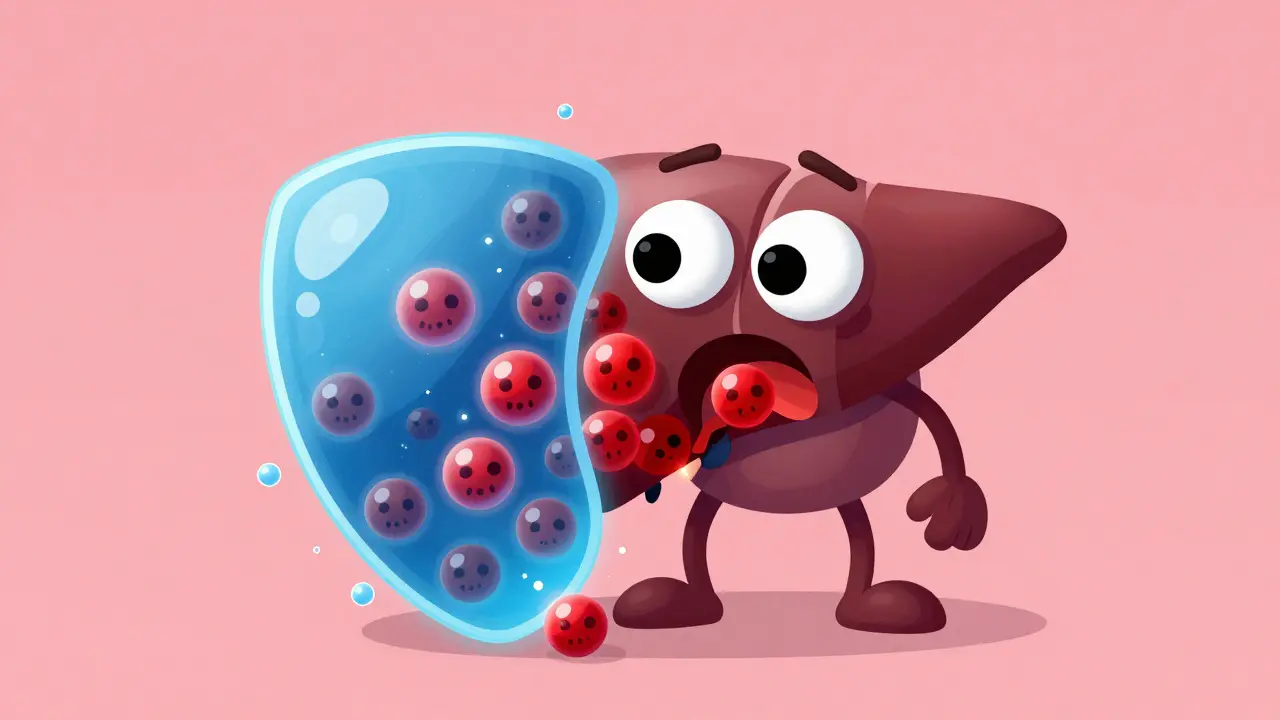
Inside your body, the liver processes this medication. Most of it is handled safely, but a small amount turns into a toxic metabolite called NAPQI. Usually, a substance called glutathione neutralizes NAPQI. However, if you take too much, your glutathione stores run dry, and the NAPQI begins attacking your liver cells, leading to oxidative stress and permanent damage.
Dosage Limits: Knowing Your Safe Zone
Staying safe comes down to a simple numbers game. For a healthy adult, the standard limit is 1,000 mg per single dose and no more than 4,000 mg in a full day. However, not everyone has the same threshold. If you are dealing with chronic liver issues or cirrhosis, your safety margin is much smaller. In these cases, medical guidelines suggest capping your total daily intake at 2,000 mg.
One of the most dangerous combinations is mixing these meds with alcohol. Alcohol puts a strain on the liver and depletes the very antioxidants needed to clear the toxic metabolites. This synergy can lower your dangerous threshold significantly, meaning even a moderate dose of 2,000 mg could potentially cause injury if you've been drinking.
| User Profile | Max Single Dose | Max Daily Limit | Risk Level |
|---|---|---|---|
| Healthy Adult | 1,000 mg | 4,000 mg | Low (if following labels) |
| Liver Disease Patient | 500-1,000 mg | 2,000 mg | Moderate |
| Regular Alcohol User | Variable | ~2,000 mg | High |
Acetaminophen vs. NSAIDs: Which is Safer for the Liver?
When people want to avoid liver strain, they often switch to NSAIDs (Nonsteroidal Anti-inflammatory Drugs). This group includes drugs like ibuprofen and naproxen. While NSAIDs are generally less likely to cause acute liver failure than acetaminophen, they aren't risk-free. For instance, diclofenac has been identified in FDA reports as one of the NSAIDs most likely to cause idiosyncratic liver injury.
The real danger with NSAIDs isn't usually the liver, but the kidneys and the stomach. Overusing these can lead to gastrointestinal bleeding or kidney disease. For people with advanced cirrhosis, NSAIDs are often discouraged entirely because they can impair platelet function and trigger kidney failure. If you need a safer alternative for joint pain, consider topical NSAIDs (creams or gels), as they provide localized relief without as much systemic absorption into the liver.
Practical Strategies to Avoid Overdose
Since so many medications contain hidden ingredients, you have to be a bit of a detective with your labels. Don't just look at the brand name; look at the "Active Ingredients" section. If you see "Acetaminophen" or "APAP," you're counting toward your daily limit.
Here are a few habits that can save your liver:
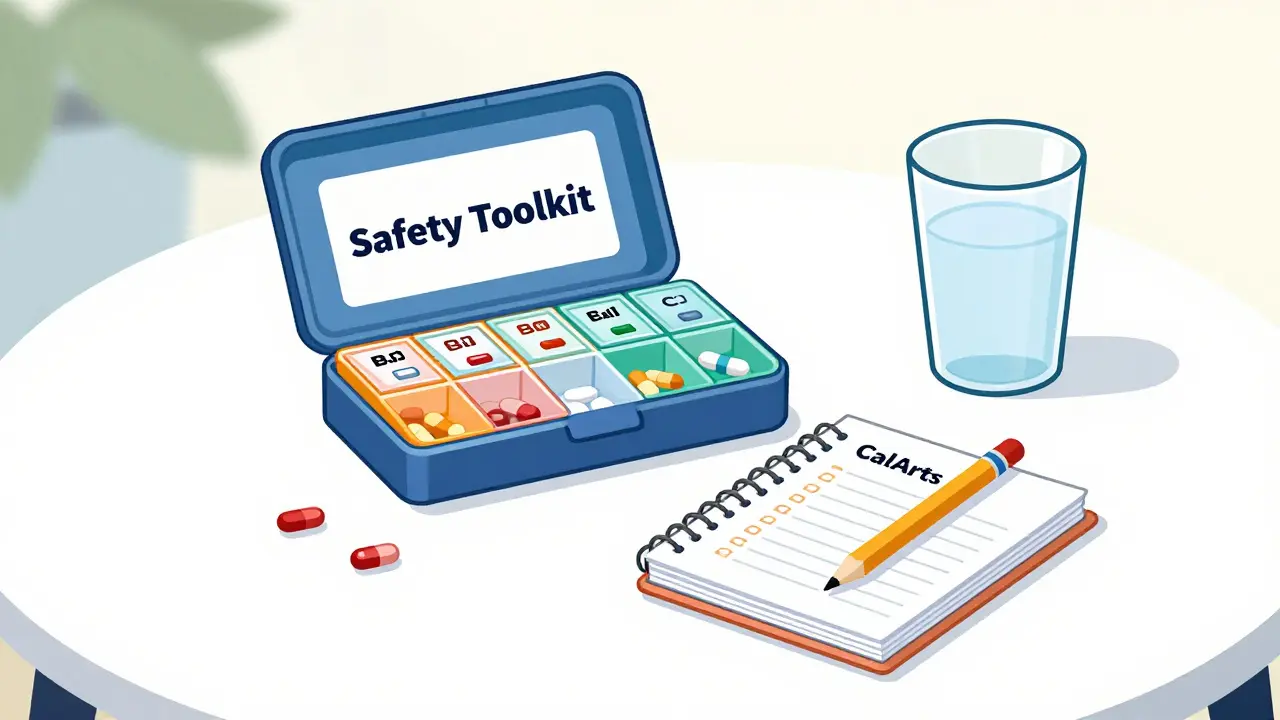
- Keep a Medication Diary: Especially if you are taking multiple drugs for different symptoms, write down every dose and the exact time.
- The 8-Hour Rule: Space your doses at least 8 hours apart. This prevents the medication from building up in your system faster than your liver can clear it.
- Use a Pill Organizer: Mark your daily maximum on the lid so you have a visual reminder of how much you've already taken.
- Separate Cold/Flu from Pain: Avoid combination products. It's safer to take a dedicated decongestant and a separate pain reliever so you can control the exact dose of each.
Recognizing the Warning Signs
Liver injury doesn't always happen instantly. There is often a window of 24 to 72 hours where symptoms begin to appear. The most common signs include nausea, vomiting, and a general loss of appetite. You might feel an unusual level of fatigue or a dull ache in the upper right side of your abdomen, where your liver is located.
If you notice your urine turning dark (like tea or cola) or your stools becoming clay-colored, this is a red flag. The most obvious sign is jaundice, which is a yellowish tint to the skin and the whites of the eyes. If any of these appear after taking pain relievers, seek emergency care immediately.
Time is the most critical factor in treatment. Doctors use a drug called N-acetylcysteine (NAC) as an antidote. It works best when given within 8 hours of the overdose; after 16 hours, its effectiveness drops significantly. This is why you should never "wait and see" if symptoms improve.
Looking Toward Safer Alternatives
If you deal with chronic pain, relying solely on pills might not be the best long-term strategy. The American Liver Foundation suggests starting with non-drug approaches to minimize the chemical load on your liver. Physical therapy, acupuncture, and cognitive behavioral therapy are often effective first-line treatments for managing pain without any risk of hepatotoxicity.
Interestingly, we are moving toward personalized medicine. Some people have genetic variations in their glutathione S-transferase enzymes, making them naturally more susceptible to liver damage from standard doses. Genetic testing is becoming more available, allowing people to know if they need a lower-than-average maximum dose to stay safe.
Is acetaminophen safe if I already have liver disease?
Yes, it is generally considered the preferred pain reliever for liver patients, provided you stay within strict limits. Most guidelines suggest a maximum of 2,000 mg per day for those with liver conditions. Always consult your doctor to confirm your specific limit.
Can I take ibuprofen instead to save my liver?
While ibuprofen is less likely to cause acute liver failure, it carries risks for the kidneys and stomach lining. For people with cirrhosis, NSAIDs like ibuprofen can actually be more dangerous because they increase the risk of kidney failure and internal bleeding.
What is the maximum dose of Tylenol in 24 hours?
For a healthy adult, the FDA and ACG recommend not exceeding 4,000 mg in 24 hours. However, some prescription combination products have a stricter limit of 3,250 mg. Always check the specific label of the product you are using.
Why is alcohol so dangerous when taking pain relievers?
Alcohol and acetaminophen both rely on the liver for processing. Alcohol depletes glutathione, the antioxidant your liver uses to neutralize the toxic metabolite NAPQI. Without enough glutathione, the medication becomes toxic at much lower doses.
What should I do if I think I took too much acetaminophen?
Go to the emergency room immediately, even if you feel fine. Liver damage can be silent for the first few hours, but the antidote (NAC) is most effective when administered as soon as possible, ideally within 8 hours of ingestion.
Next Steps for Different Users
For the healthy adult: Start a habit of reading the "Active Ingredients" on every cold, flu, or sleep aid you buy. If it contains acetaminophen, log it in your phone to ensure you don't cross the 4,000 mg line.
For those with chronic liver issues: Set a strict 2,000 mg daily limit and avoid all alcohol. Discuss with your hepatologist whether topical NSAIDs are a safer option for your specific condition to avoid kidney complications.
For caregivers: Ensure that elderly family members have a simplified medication schedule. Use a pill organizer and clearly label any medication that contains acetaminophen to prevent accidental double-dosing.


Comments (4)