
Teens are on the brink of adulthood, and one of the most important skills they need before leaving home is managing their own prescription medications. It’s not just about remembering to take pills-it’s about understanding why they’re taking them, recognizing side effects, avoiding misuse, and knowing when to ask for help. Many parents assume their teen will figure it out naturally, but the truth is, without clear guidance, teens are at higher risk of missing doses, taking too much, or even sharing medications with friends. The good news? With the right approach, you can turn this into a routine, not a crisis.
Start Early-Don’t Wait Until College
The best time to begin teaching medication management isn’t when your teen is packing for college. It’s during 10th grade. By then, most teens have at least one regular prescription-whether it’s for ADHD, asthma, anxiety, or acne. Waiting until senior year means you’re trying to teach life-saving skills while also juggling college apps and final exams. According to the Child Mind Institute, starting in 10th grade gives teens time to practice, make mistakes, and learn without high-stakes consequences. Begin by simply asking your teen: “Do you know what this pill is for?” If they can’t answer, it’s not because they’re lazy-it’s because no one ever explained it clearly. Sit down with them, the prescription label, and the pharmacist’s handout. Read it together. Ask the doctor during the next visit if you’re unsure. Understanding the purpose of each medication builds respect for it-and reduces the chance they’ll skip doses or misuse it.Build Routines Around Existing Habits
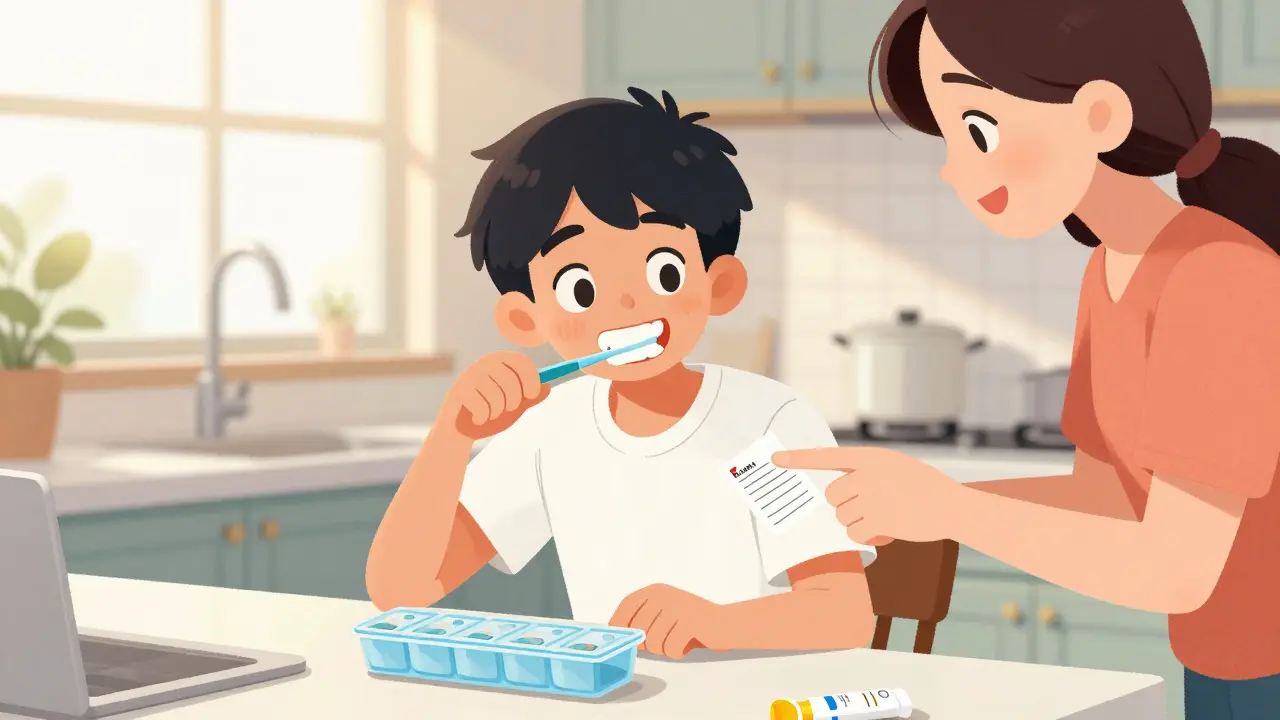
Teens don’t need another thing to remember. They need to tie medication into something they already do every day. Brushing teeth? Taking a shower? Eating breakfast? These are perfect anchors. Research from the University of Rochester Medical Center shows that pairing medication with an existing habit increases adherence by 37%. If your teen takes a daily pill, have them do it right after brushing their teeth in the morning or right before bed. No extra steps. No complicated alarms. Just one consistent trigger. For multiple daily doses, use the same logic. Lunchtime? That’s when they take their second pill. After sports practice? That’s when they take their third. The brain remembers routines better than schedules. And if they’re going out? Make it part of their routine to grab their pill case before leaving the house-just like their phone or wallet.Use Tools That Actually Work
Gadgets help, but only if they’re simple and reliable. A basic pill organizer with morning/afternoon/evening compartments costs less than $10 and works better than most apps for teens who aren’t tech-savvy. For those who are, apps like Medisafe or MyMeds send reminders, track doses, and even alert a parent if a dose is missed. Studies show these apps improve adherence by 28% in teens. But here’s the catch: don’t just download an app and assume it’ll stick. Set it up together. Teach them how to enter each medication, set the right time, and adjust for daylight savings. Then, check in once a week for the first month. Did the alarm go off? Did they take it? If they missed a dose, ask why-not blame. Maybe the alarm was too quiet. Maybe they forgot because they were stressed. Fix it together. Smartphone alarms alone can boost adherence by 41%, according to a 2020 University of Michigan study. Set three alarms: one for the actual time, one 15 minutes later, and one an hour after that. That way, if they sleep through the first, they still have two chances.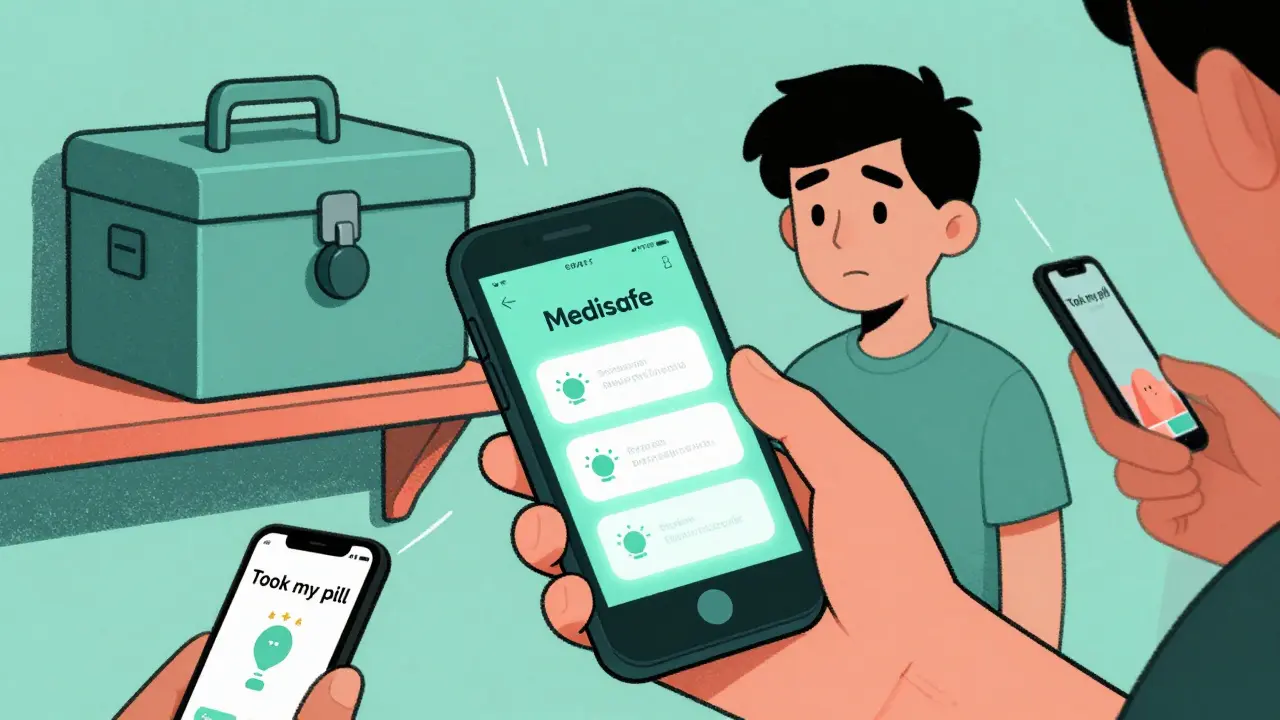
Teach Them About Misuse-Not Just Use
Most teens think prescription drugs are safer than street drugs. That’s a dangerous myth. The DEA reports that 70% of teens believe taking someone else’s ADHD or pain medication is harmless. But those pills aren’t candy. Opioids, stimulants, and benzodiazepines are among the most commonly misused-and most dangerous-prescription drugs for teens. Don’t just warn them. Educate them. Say: “Taking someone else’s Adderall might help you focus for a test, but it can raise your heart rate to dangerous levels. One pill can cause a seizure.” Show them real stories. The Generation Rx curriculum, used in over 1,200 schools, includes videos of teens who ended up in the ER after sharing pills. These aren’t scare tactics-they’re facts. Also, teach them how to say no. Practice responses: “I don’t take pills that aren’t mine.” “My mom checks my meds.” “I’ve got a test tomorrow-I need to be clear-headed.” Role-play it. The more they practice, the easier it becomes.Give Responsibility Gradually
You don’t hand over the keys to the car on day one. You don’t hand over medication management that way either. Start with supervision. You give them the pills. You set the alarm. You watch them take it. Then, move to texting: “Did you take your pill?” They reply: “Yes.” You don’t need proof-just consistency. Next, let them refill their own prescriptions. Walk them to the pharmacy. Show them how to call in a refill, check the label, and ask the pharmacist questions. Many teens don’t know they can ask: “Is this the same as last time?” or “Why does this look different?” Finally, move to spot checks. Once a month, ask them to show you their pill case. Count the pills. Compare it to the prescription log. If numbers don’t match, don’t panic. Ask: “What happened?” Maybe they lost a pill. Maybe they gave one to a friend. Either way, this is a teachable moment-not a punishment.Lock It Up. Dispose of It Right.
If your teen is on opioids, benzodiazepines, or other controlled substances, keep them locked up. A simple lockbox-like those used for guns or cash-is enough. Aetna’s 2021 guidelines say this is non-negotiable. Even responsible teens can get curious, especially under stress. And never let unused pills sit in the medicine cabinet. The DEA says over 14,000 pharmacies across the U.S. offer free take-back programs. Go with your teen. Make it a habit. If no drop-off is nearby, mix pills with coffee grounds or cat litter, seal them in a bag, and throw them in the trash. Never flush them. That contaminates water supplies.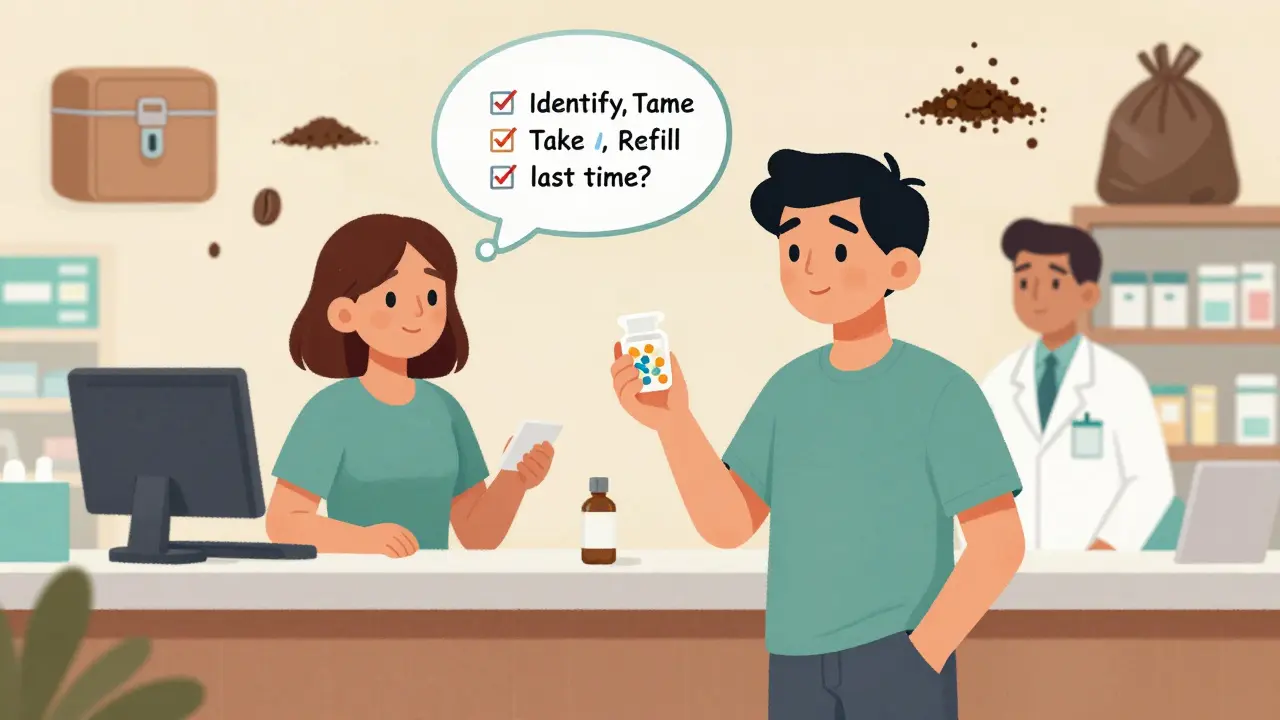
Involve Their Doctor-and Their Friends
At every check-up, ask the doctor: “Can we talk to my teen alone for five minutes?” This gives them space to ask questions they’re too shy to ask you. A 2022 study in the Journal of Adolescent Health found that teens who had private time with their doctor were 30% more likely to report side effects and follow treatment plans. Also, encourage peer support. If your teen has a close friend who also takes medication, help them become a “medication buddy.” Text each other: “Took my pill.” “Me too.” Research shows this boosts adherence by 22%. Accountability works better than nagging.What If They Mess Up?
Mistakes happen. They forget. They skip a day. They take an extra pill by accident. Don’t react with anger. React with curiosity. Ask: “What made you miss it?” “What can we change so it doesn’t happen again?” Maybe they’re overwhelmed. Maybe the pill case is too complicated. Maybe they’re scared of side effects. Listen. Then adjust. The goal isn’t perfection. It’s progress. Every time they take their medication correctly, they’re building a habit that will protect them for life.What Comes Next?
By senior year, your teen should be able to:- Identify every medication they take and why
- Take doses on time without reminders
- Request refills and communicate with pharmacists
- Recognize signs of misuse or side effects
- Store and dispose of meds safely
- Ask for help when they need it
At what age should teens start managing their own medications?
Experts recommend starting in 10th grade, around age 15 or 16. This gives teens time to learn before college, where they’ll be fully responsible. Waiting until senior year leaves little room for mistakes and support.
What are the most common prescription drugs teens misuse?
Opioids (like oxycodone), stimulants (like Adderall), and benzodiazepines (like Xanax) are the top three. These are often prescribed for pain, ADHD, or anxiety, but teens mistakenly believe they’re safer than illegal drugs. In fact, misuse of these drugs led to over 4.8 million adolescent treatment cases in 2022.
Should teens use apps to track their meds?
Yes-but not all apps are equal. Only 22% of medication apps on the market have been clinically validated for teens. Stick to trusted names like Medisafe or MyMeds, which include reminders, logs, and parental alerts. Avoid random apps with no medical backing.
How can I tell if my teen is misusing their prescription?
Watch for signs like running out of pills early, hiding medication, mood swings, secrecy about dosing, or sudden changes in school performance. A quick pill count can reveal if doses are missing. If you suspect misuse, talk to their doctor-don’t wait for a crisis.
Can teens access their own medical records?
Yes. Under the 2020 CURES Act, teens aged 13 and older can request access to their electronic health records, including medication history. This helps them become active participants in their care. Encourage them to review their records with you before they go to college.


Comments (15)