
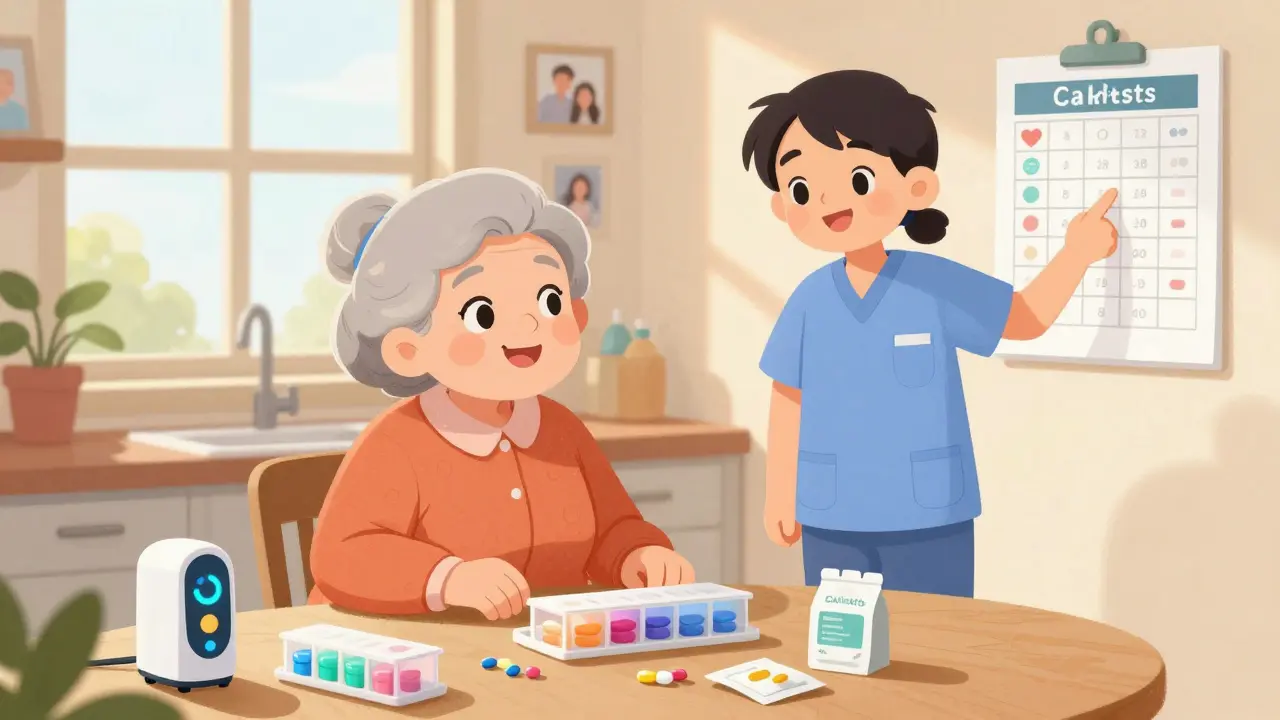
Managing medications at home can be overwhelming-especially for older adults taking five, ten, or even more pills a day. Missing a dose, doubling up, or mixing the wrong drugs can lead to serious health problems. That’s where home health services for medication management come in. These services aren’t just about handing out pills. They’re about keeping seniors safe, reducing hospital visits, and giving families peace of mind.
What Home Health Medication Management Actually Does
Home health services for medication management are professional, in-home support systems designed to ensure medications are taken correctly, on time, and without dangerous interactions. Unlike family caregivers who might forget or get overwhelmed, trained nurses and medical assistants follow strict protocols to track every pill, check for side effects, and update medication lists after doctor visits. According to MedPro’s 2022 analysis, nearly 30% of all adverse events in home care come from medication errors. That’s one in three dangerous incidents caused by something preventable-wrong dose, wrong time, or a drug interaction no one caught. Professional services cut those risks by 60%. The core tasks include:- Creating and updating a complete, accurate list of all medications (brand and generic names, dosages, reasons, and prescribers)
- Setting up pill organizers or daily pouches to separate morning, afternoon, evening, and bedtime doses
- Using digital reminders (phone alarms, apps) for times when pills don’t fit into daily routines
- Checking for duplicate prescriptions or harmful interactions between drugs
- Documenting every dose taken and flagging missed or refused medications
- Coordinating with doctors to adjust medications based on side effects or new conditions
Who Benefits Most from These Services?
Not every senior needs professional help-but some absolutely do. The biggest winners are people who:- Take five or more medications daily (polypharmacy)
- Have memory issues, dementia, or vision problems
- Recently left the hospital and are on a new, complex regimen
- Live alone with no family nearby to help
- Have had a medication error in the past
How It Works: A Step-by-Step Process
Getting started is simpler than most people think. Here’s how it typically unfolds:- Referral or Request - A doctor, hospital discharge planner, or family member contacts a home health agency. Medicare-certified agencies can be accessed directly if the patient meets eligibility rules (like being homebound and needing skilled care).
- Initial Assessment - A nurse visits the home and reviews every medication bottle, prescription, and doctor’s note. They check for duplicates, expired drugs, and unnecessary pills. This step alone prevents about 1 in 5 dangerous interactions.
- Medication Reconciliation - The nurse compares what the patient is actually taking with what the doctors ordered. Discrepancies? They’re fixed within 24 hours, as required by CMS guidelines.
- Organization System Setup - A pill organizer is chosen or custom-made. Some agencies, like Phoenix Home Care, use daily pouches labeled with the time and day. Others use smart dispensers that lock until the right time.
- Training and Confirmation - The patient (or caregiver) is taught how the system works. The nurse uses the “teach-back” method: “Can you show me how you’d take your morning pills?” If they get it right, they move forward.
- Ongoing Monitoring - Nurses visit weekly or biweekly, depending on need. They update records, check for side effects, and communicate with doctors. Any change in meds? Documented within 24 hours.

Tools That Make a Difference
The right tools turn chaos into control. Here’s what works best:- Pill organizers - Simple plastic boxes with compartments for each time of day. Studies show they reduce missed doses by 45%.
- Smart dispensers - Devices like MedMinder or Hero that beep, flash, and even call family if a dose is skipped. Some sync with apps.
- Daily pouches - Pre-filled, sealed pouches for each day. No sorting needed. Great for complex regimens.
- Mobile apps - Apps like Medisafe or MyTherapy send alarms and track adherence. CritiCare’s 2023 data shows a 35% improvement in adherence with app use.
- Visual charts - Large-print, color-coded charts with pictures of pills. Clarest’s survey found 67% of caregivers said these helped their loved ones understand their meds better.
Costs and Coverage: What You Pay
This is where things get confusing. Not all home health services cost the same-and not all are covered.- Medicare Part A covers home health medication management if you’re homebound and need skilled nursing care. There’s no copay. But you can’t get daily visits unless you qualify for skilled care-like after surgery or a hospital stay.
- Medicare Advantage plans sometimes cover more frequent visits or include medication monitoring devices. Check your plan details.
- Private pay - Agencies like Clarest charge $20-$40 per hour for medication management. That adds up fast if you need daily help.
- Long-term care insurance - Many policies cover home health services, including medication assistance.
Where These Services Fall Short
Home health services aren’t perfect. Here are the real gaps:- Staff shortages - 28% of home health nursing positions are vacant in 2023. That means longer wait times and rushed visits.
- Inconsistent documentation - Only 58% of agencies update medication records within 24 hours, even though CMS requires it.
- Psychiatric meds are tricky - Antidepressants, antipsychotics, and anti-anxiety drugs often need frequent dose changes. Most home health nurses aren’t trained to adjust these safely.
- Communication breakdowns - One Reddit user shared that conflicting prescriptions from two doctors led to a dangerous blood thinner interaction. No one talked to each other.
What Families Should Do
If you’re helping a parent or loved one:- Keep a written list of every medication, including vitamins and supplements. Update it after every doctor visit.
- Ask the doctor: “Is every pill here still necessary?” Many seniors are on drugs they no longer need.
- Use the “teach-back” method. Ask them to show you how they take their meds. Don’t assume they know.
- Set up a weekly check-in with the home health nurse. Don’t wait for a problem to arise.
- Know the emergency plan. Keep a printed list of all meds and contact numbers near the phone.
The Bigger Picture
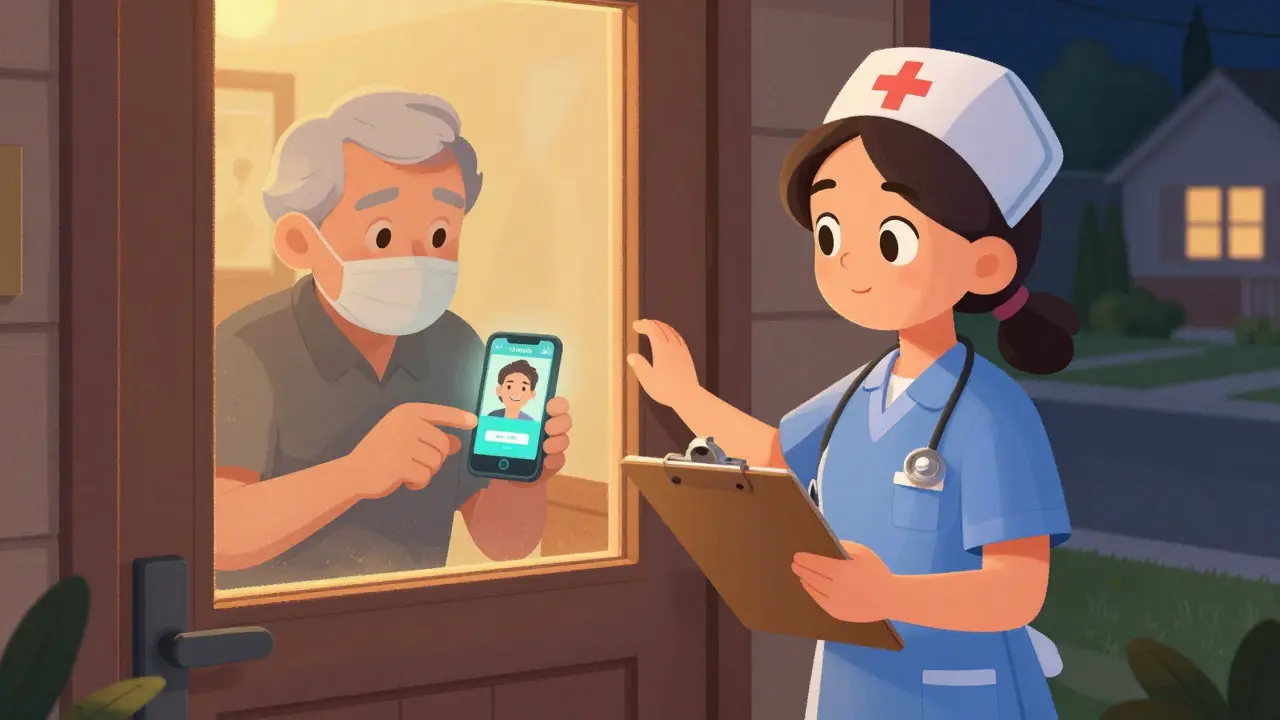
Home health medication management isn’t just a convenience-it’s a lifeline. The numbers don’t lie: patients using these services have 20% fewer hospital readmissions. That’s not just about saving money-it’s about avoiding life-threatening mistakes. The home healthcare market is growing fast, projected to hit $150 billion by 2027. As more seniors stay home longer, demand for smart, safe medication support will only rise. New tech like AI-powered drug interaction screens and QR-code-linked video instructions (now offered by Phoenix Home Care in 17 languages) are making it easier than ever to get it right. But technology alone won’t fix it. What matters most is having a trained, reliable person who shows up, pays attention, and asks the right questions. That’s the real value.Frequently Asked Questions
Can Medicare pay for someone to help my parent take their pills every day?
Medicare will cover daily medication management only if your parent qualifies for skilled home health care-like after a hospital stay, surgery, or if they have a condition requiring nursing oversight. If they’re stable and just need help remembering to take pills, Medicare won’t pay for daily visits. In those cases, private pay or long-term care insurance may be needed.
What’s the difference between a home health nurse and a home care aide for medication help?
A home health nurse is a licensed professional who can assess medications, spot interactions, update records, and communicate with doctors. A home care aide can remind someone to take pills or hand them a cup of water-but they can’t review prescriptions, adjust doses, or make clinical decisions. For safety, medication management should always be handled by a nurse.
How often should a medication list be updated?
Every time there’s a change-new prescription, stopped drug, dosage change, or even a new vitamin. The CDC and CMS recommend updating the list after every doctor visit. Many families keep a printed copy in a wallet or on the fridge and update it right after the appointment.
Are pill organizers safe for all medications?
Most pills are fine in organizers, but some shouldn’t be removed from their original packaging. These include capsules that degrade in air, sublingual tablets, and medications that need to stay dry. Always check with the pharmacist before transferring pills. Some agencies use blister packs or sealed daily pouches instead to avoid this issue.
What should I do if my parent refuses to take their meds?
Don’t force it. First, find out why. Is it because of side effects? Confusion? Fear? Talk to the home health nurse-they can report this to the doctor. Sometimes a simpler regimen, different pill form (like liquid), or lower dose solves the problem. Never hide pills in food without medical approval-it can be dangerous.
Can home health services help with over-the-counter meds and supplements?
Yes, and they should. Many seniors take vitamins, pain relievers, or herbal supplements that can interact dangerously with prescriptions. A good home health nurse will include all of these in the medication list. Don’t assume they’re harmless-ibuprofen can thin blood, and St. John’s Wort can cancel out antidepressants.
How do I know if my home health agency is doing a good job?
Ask for the updated medication list after each visit. Check if it matches what’s in the bottle. Ask if they’ve communicated with the doctor about any changes. Look for consistency-do they show up on time? Do they ask questions? If you’re not getting clear answers or documentation, it’s time to switch agencies.


Comments (11)