
Written by Mark O'Neill
Learn how to use FDA databases like the NDC Directory and eDRLS to verify prescription drugs. Understand DSCSA rules, spot counterfeits, and ensure supply chain safety.
Written by Mark O'Neill
Explore the hidden labor cost gaps between generic and brand-name drug manufacturing. Learn how scale, geography, and quality control drive price differences in pharmaceuticals.
Written by Mark O'Neill
Compare cetirizine and fexofenadine for allergy relief. Learn about side effects, drowsiness risks, food interactions, and cost to choose the best antihistamine.

Written by Mark O'Neill
Audio resources help visually impaired patients understand medical instructions, navigate hospitals, and manage medications safely. Learn about free and paid tools, legal rights, and how to get the support you need.
Written by Mark O'Neill
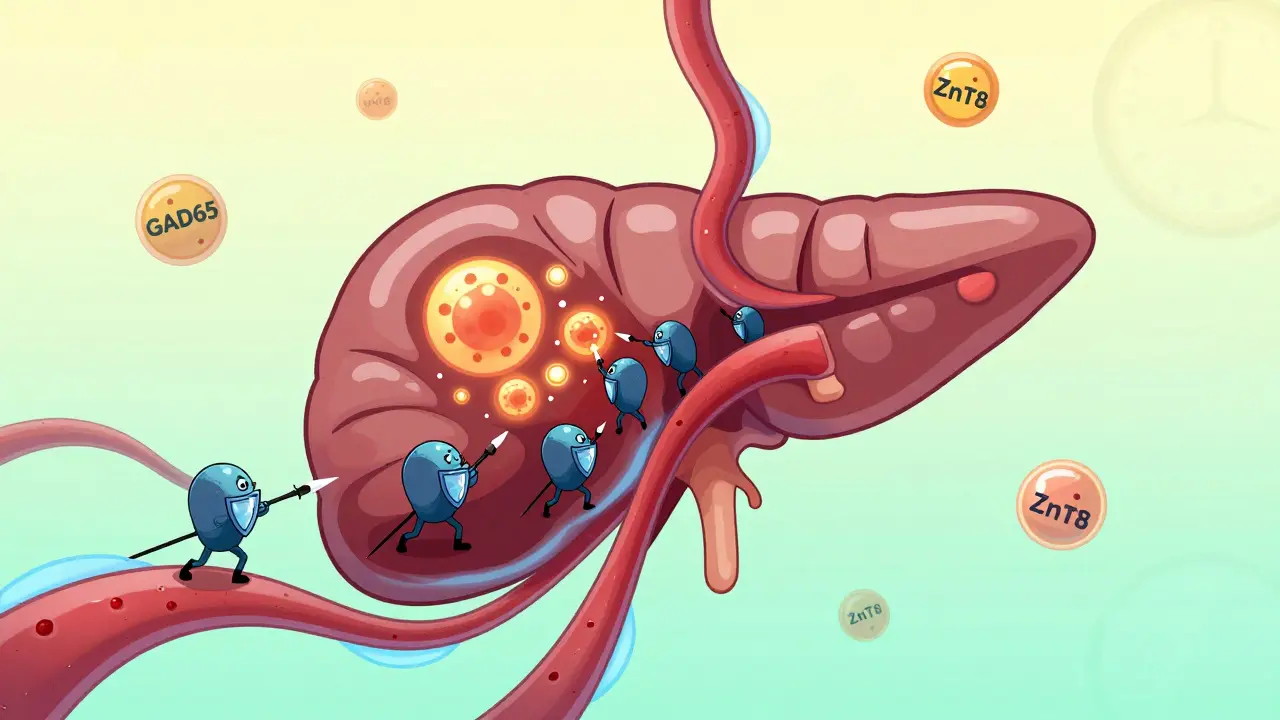
Type 1 diabetes is an autoimmune disease that destroys insulin-producing cells in the pancreas. Modern management goes beyond insulin injections-using CGMs, automated systems, and new therapies to slow progression and protect remaining function.
Written by Mark O'Neill
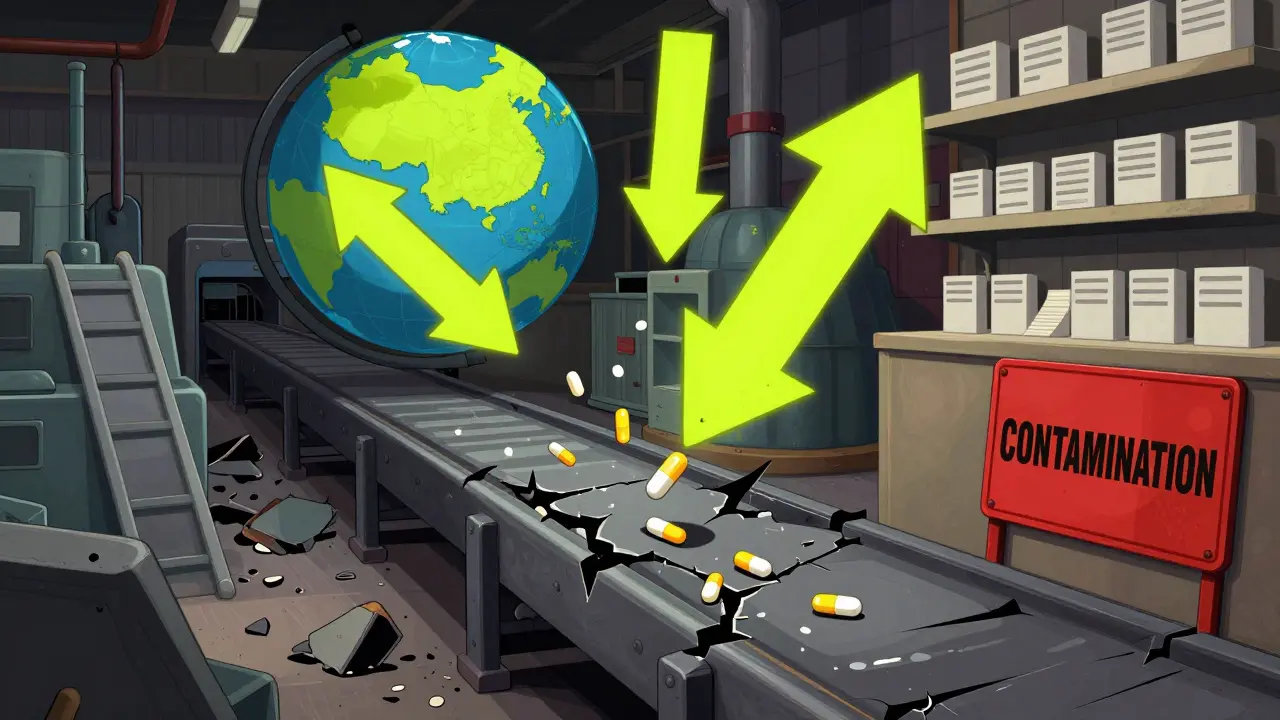
Generic drug shortages are caused by manufacturing failures, overseas dependency, sole sourcing, and low profit margins. With 95% of shortages involving generics, the system is broken-not because of lack of demand, but because of how it's structured to cut costs at the expense of reliability.
Written by Mark O'Neill
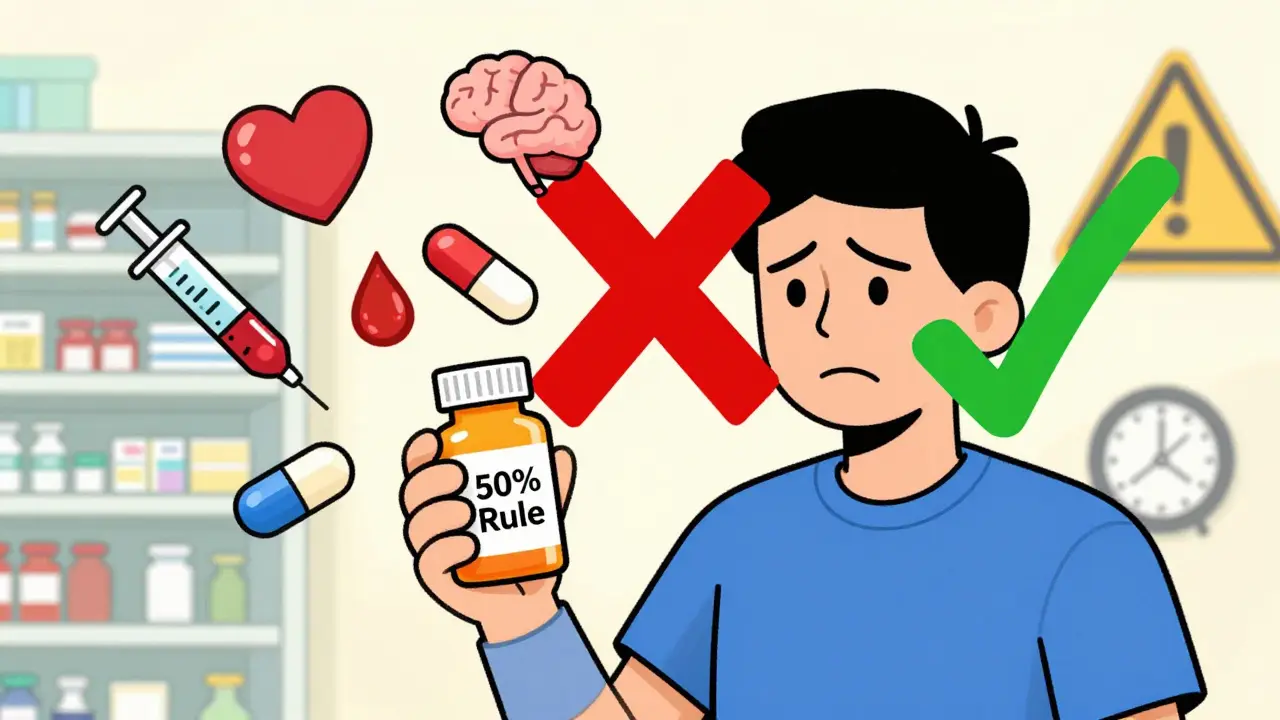
Missing a dose of medication can be dangerous-but the right action depends on the drug. This guide gives clear, evidence-based steps for what to do after missing a dose of insulin, blood thinners, seizure meds, and more.
Written by Mark O'Neill
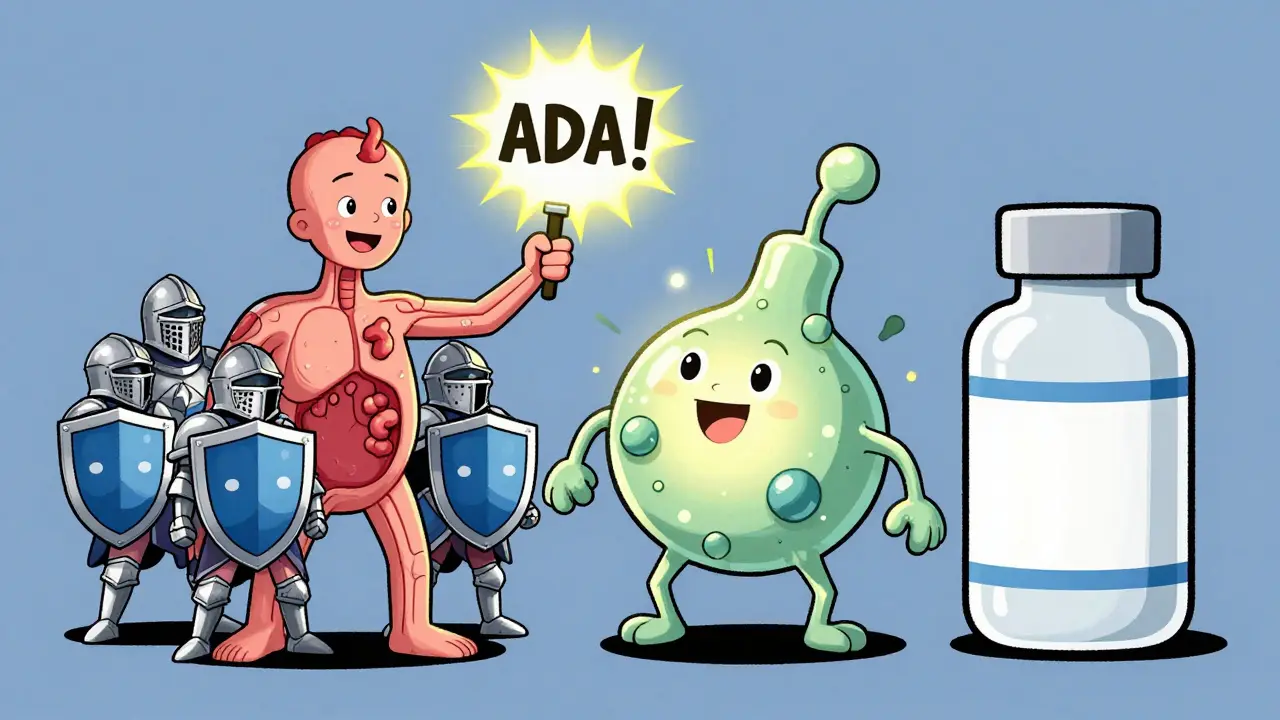
Biosimilars aren't just cheap copies of biologics-they're complex proteins made in living cells, and tiny manufacturing differences can trigger immune responses. Learn why some patients develop antibodies and what it really means for safety and effectiveness.

Written by Mark O'Neill
Biosimilar medications are scientifically proven to be as safe and effective as their brand-name biologics, with real-world data showing no meaningful differences. Learn how they work, why they're cheaper, and why doctors trust them.
Written by Mark O'Neill
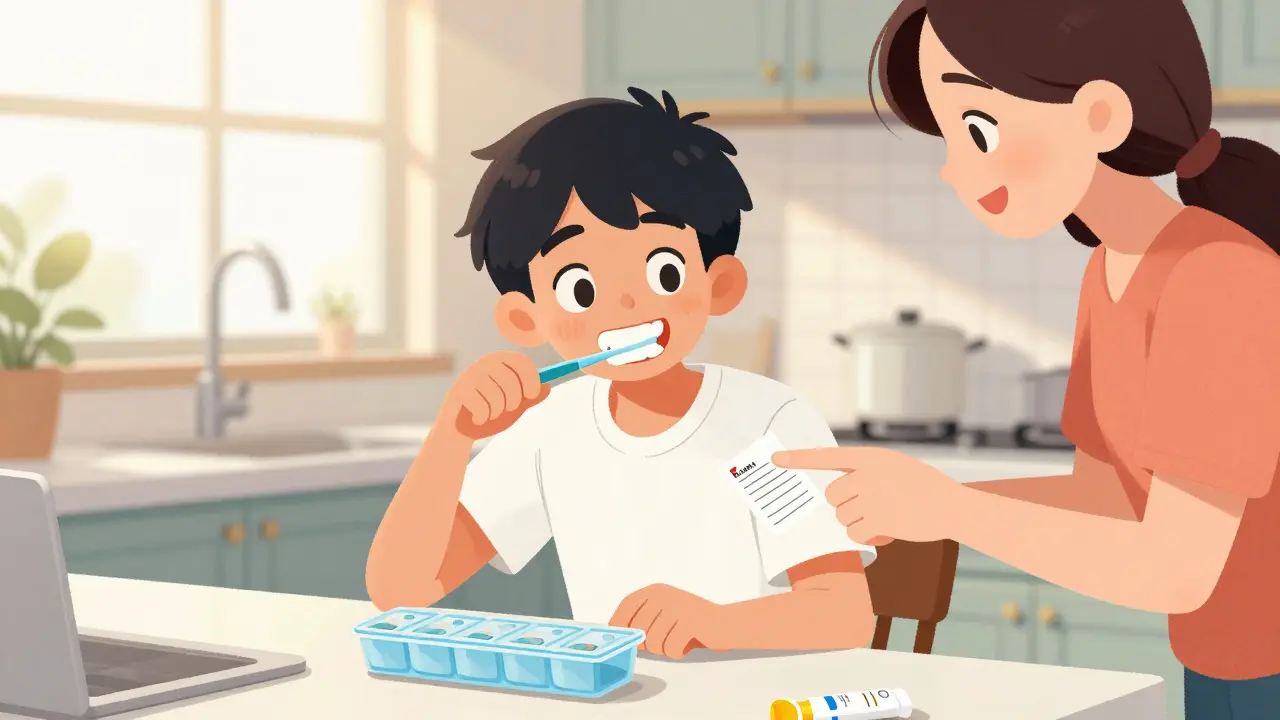
Teach teens to manage their own prescriptions with practical steps that build confidence, reduce misuse, and prepare them for adulthood. Start early, use routines and tools, and involve them in every step.