
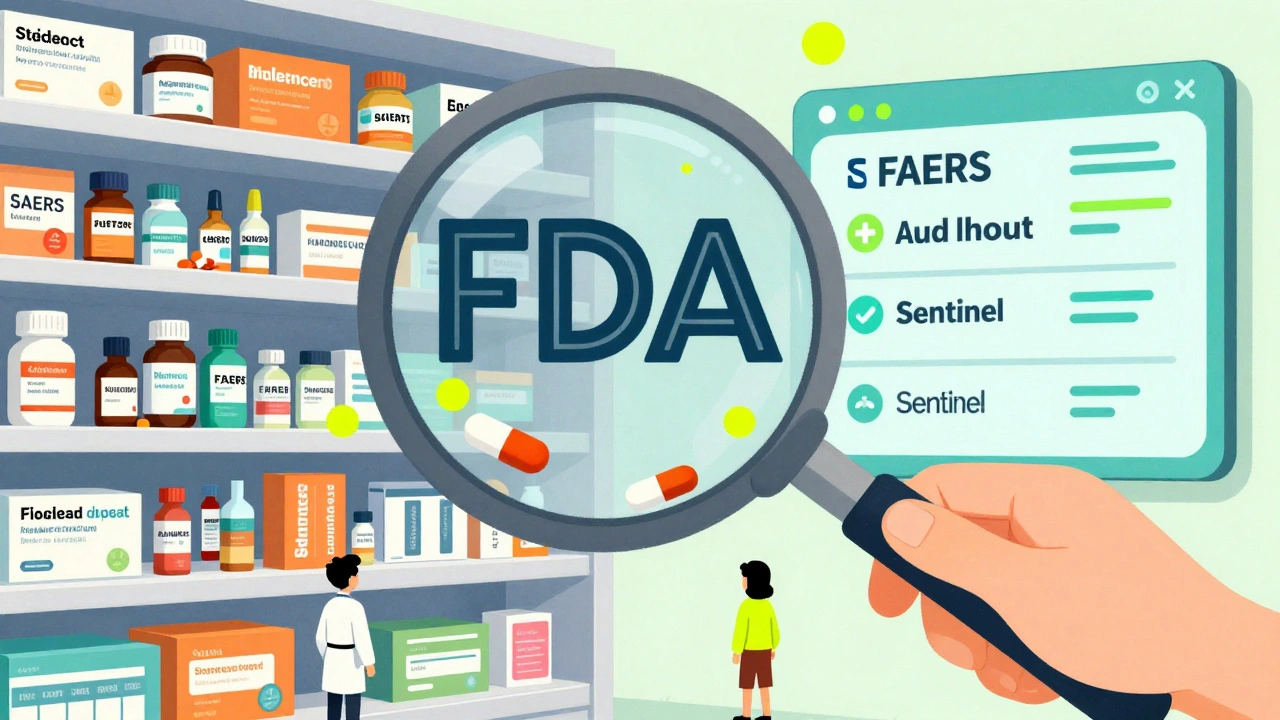
When you pick up a generic pill at the pharmacy, you expect it to work just like the brand-name version. But how does the FDA know it’s still safe and effective months or years after it hits the shelves? Unlike brand-new drugs, generics don’t go through years of clinical trials. Instead, they prove they’re bioequivalent-meaning they deliver the same amount of active ingredient into your bloodstream at the same rate as the original. That’s enough for approval. But approval isn’t the end of the story. It’s just the beginning.
Why Monitoring Doesn’t Stop After Approval
Clinical trials for generics usually involve a few hundred people. That’s enough to catch major issues, but not rare side effects or problems that only show up after long-term use. Imagine a generic blood pressure pill that works fine for most people but causes an unusual heart rhythm in one in 10,000. That wouldn’t show up in a trial. But once millions are taking it, that one-in-10,000 risk becomes a real problem. That’s why the FDA keeps watching.The FDA doesn’t just sit back after approving a generic. It has a whole system built to catch problems after the drug is already in use. This is called post-market surveillance. It’s not optional. It’s mandatory. And with over 90% of all prescriptions in the U.S. filled with generics, the stakes are high.
The Tools the FDA Uses to Watch Generics
The FDA doesn’t rely on one method. It uses multiple systems working together to spot trouble early.- FAERS (FDA Adverse Event Reporting System): This is the backbone. Doctors, pharmacists, patients, and manufacturers can report side effects, allergic reactions, or even cases where the drug didn’t work. In 2023 alone, FAERS received over 2 million reports for all drugs-many of them generics. The system doesn’t prove cause and effect, but it flags patterns. If 50 people report the same rare reaction after switching to a new generic version of a drug, that’s a red flag.
- Sentinel Initiative: This is the FDA’s real-time data network. It pulls information from health insurance claims and electronic health records from over 200 million Americans. Instead of waiting for someone to report a problem, Sentinel can spot spikes in hospital visits or lab abnormalities linked to specific drugs. For example, if a new generic version of a diabetes drug suddenly shows a jump in kidney-related ER visits across multiple states, Sentinel picks it up fast.
- MedWatch: This is the public-facing portal. Anyone can report a problem here-patients, caregivers, nurses. It’s how many people first notice something’s off. One study found that 15% of reports about generics mentioned patients feeling like the new version “just didn’t feel right,” even when lab tests showed no difference in absorption.
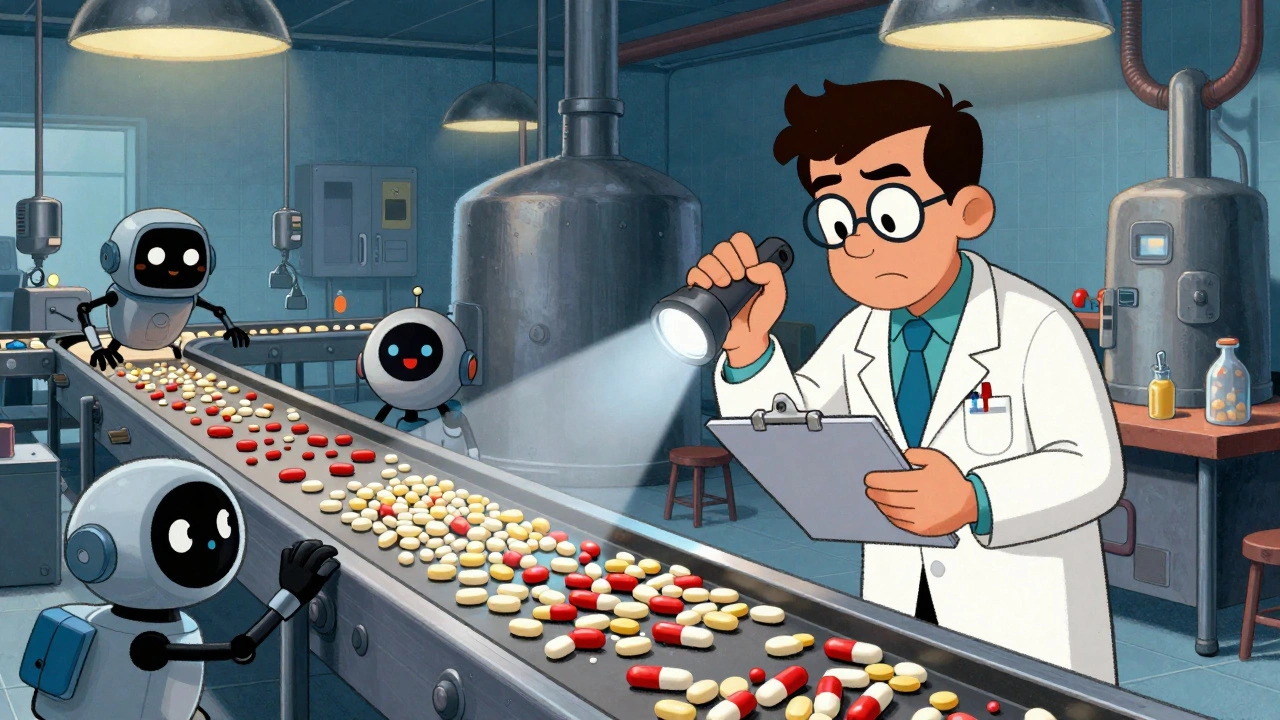
- Unannounced Factory Inspections: The FDA doesn’t just check the drug’s effect on the body-it checks how it’s made. Inspectors show up without warning at manufacturing plants, from big U.S. companies to overseas facilities. They look at everything: raw materials, cleanliness, equipment calibration, and whether the final product matches the approved formula. A tiny change in filler material or coating can affect how the drug dissolves in your body.
Complex Generics Are the Hard Part
Not all generics are created equal. Simple pills-like a 10mg tablet of lisinopril-are easy to copy. But what about an inhaler for asthma? Or a topical cream that needs to penetrate skin at just the right rate? Or a slow-release pill that’s designed to last 12 hours? These are called complex generics.For these, bioequivalence isn’t enough. Two inhalers might deliver the same amount of medicine, but if the particle size or spray pattern is slightly different, the drug might not reach the lungs the same way. That’s why the FDA has been pushing for better tools. In 2020, they funded a research center at the Universities of Maryland and Michigan specifically to study complex generics. The goal? To find ways to predict problems before they reach patients.
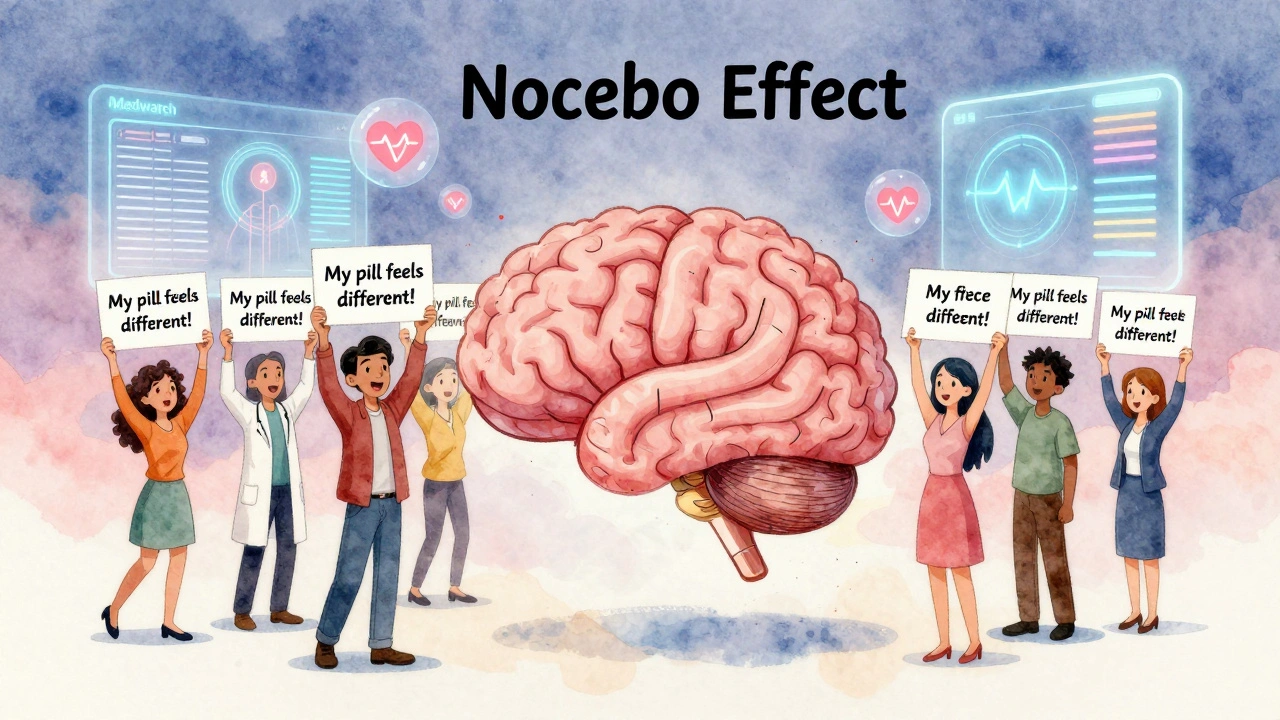
Right now, the FDA’s biggest challenge is telling the difference between a real drug problem and a psychological one. Some patients swear a generic doesn’t work as well. But when scientists test it, the blood levels are identical. This is called the nocebo effect-when expecting a negative outcome actually causes symptoms. The FDA knows this happens. That’s why they don’t jump to conclusions. They look at data from multiple sources before acting.
What Happens When Something Goes Wrong?
If the FDA finds a pattern of serious side effects tied to a specific generic drug, they don’t wait. Here’s what can happen:- Label Updates: The drug’s package insert gets changed to warn about new risks. This might mean adding a black box warning-the strongest type-for liver damage or heart rhythm issues.
- Dear Healthcare Provider Letters: The FDA sends out official letters to doctors and pharmacists, telling them to be extra cautious with that particular generic. Sometimes they recommend switching patients back to the brand name temporarily.
- Product Recalls: If the issue is contamination or a manufacturing flaw, the FDA can order a recall. In 2022, a batch of generic metformin was pulled after traces of a cancer-causing chemical were found.
- Manufacturing Shutdowns: If a plant keeps failing inspections, the FDA can stop it from making the drug until it fixes the problems.
One example: In 2018, multiple generic versions of a blood thinner called clopidogrel started showing up in FAERS with reports of reduced effectiveness. The FDA dug into the data, checked manufacturing records, and found that one company had changed its tablet coating without updating its approval. The coating was slowing down how fast the drug dissolved. They recalled that version. Within months, reports dropped back to normal levels.
The Future: AI and Real-World Data
The FDA is investing heavily in new technology. In 2023, they allocated $5.2 million to research using artificial intelligence to spot safety signals faster. The idea? Use machine learning to scan millions of electronic health records and insurance claims to find hidden patterns. Instead of waiting months for enough reports to pile up, AI could flag a problem in weeks.They’re also working on ways to directly compare outcomes between brand-name drugs and their generic versions using real-world data. If patients on a certain generic version are more likely to be hospitalized for heart attacks than those on the brand, that’s a signal worth investigating-even if the blood levels are the same.
By 2027, experts predict AI tools could cut the time to detect safety issues in complex generics by 60 to 70%. That’s huge. It means fewer people get hurt before a problem is fixed.
What You Can Do
You’re not just a passive patient in this system. Your reports matter.- If you notice a new side effect after switching to a generic-especially if it’s something you didn’t have before-report it. Use MedWatch. You don’t need to be a doctor. Your experience is data.
- Keep track of the manufacturer’s name on your prescription. If you get the same generic from two different pharmacies and feel different effects, note the names. That helps the FDA trace the issue.
- If your doctor suggests switching back to the brand name because you’re not doing well, ask why. Sometimes it’s just perception. Other times, it’s a real formulation difference.
The FDA doesn’t have perfect tools. But they’re getting better. And they’re watching. Because for every generic pill you take, someone’s counting on it to work-not just today, but next year, and the year after that.
Are generic drugs less safe than brand-name drugs?
No. Generic drugs must meet the same strict quality, strength, purity, and stability standards as brand-name drugs. The FDA approves them only after confirming they’re bioequivalent. But because generics don’t go through large clinical trials, post-market surveillance is critical to catch rare or long-term issues that weren’t seen during approval. The system is designed to catch problems after they appear in the real world.
How does the FDA know if a generic drug is causing side effects?
The FDA uses multiple systems: FAERS collects reports from doctors, patients, and manufacturers; Sentinel analyzes health records from over 200 million people; and MedWatch lets anyone report problems. When a pattern emerges-like multiple reports of the same rare reaction linked to one generic manufacturer-the FDA investigates. They don’t rely on single reports; they look for trends across data sources.
Can a generic drug be different from the brand name and still be approved?
Yes, but only in non-active ingredients. Generics can use different fillers, dyes, or coatings as long as they don’t change how the drug is absorbed. For simple pills, this rarely matters. But for complex drugs-like inhalers, creams, or extended-release tablets-small differences in formulation can affect how the drug works. That’s why the FDA has special scrutiny for these types of generics.
What should I do if I think my generic medication isn’t working?
Don’t stop taking it without talking to your doctor. But do report it. Write down what you’re experiencing, when it started, and which generic manufacturer’s name is on the bottle. Then report it through MedWatch or ask your pharmacist to help. Your report could help the FDA spot a pattern. Sometimes the issue is psychological, but sometimes it’s a real formulation problem-only your feedback can tell the difference.
How often does the FDA inspect generic drug factories?
The FDA inspects U.S. factories every two years on average, and foreign factories every three to five years. But inspections can happen anytime-especially if there’s a safety concern, a complaint, or if a company has had past violations. Many inspections are unannounced. In 2023, over 1,000 inspections were conducted on generic drug manufacturing sites worldwide.


Comments (12)