
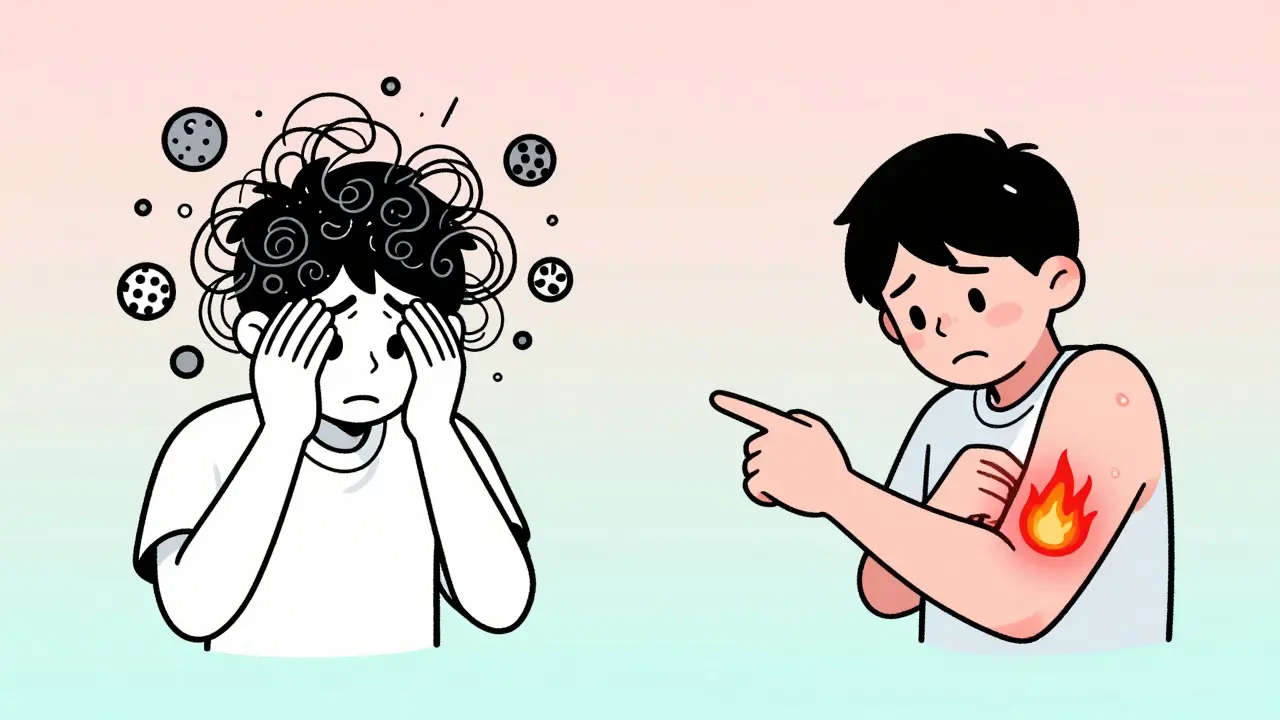
Living with psoriasis often feels like walking through a minefield. You might have your skin under control for months, only for a single stressful week or a bout of the flu to trigger a massive flare-up. This isn't just in your head-it's a biological chain reaction. While psoriasis is a chronic autoimmune disorder where the immune system mistakenly attacks healthy cells, causing rapid skin cell buildup, the triggers are the sparks that light the fire. If you can identify what sets off your skin, you can move from reacting to flares to actively preventing them.
The Quick Guide to Psoriasis Triggers
- Stress: Releases cortisol and inflammatory cytokines that disrupt the skin barrier.
- Infections: Streptococcal throat infections often lead to guttate psoriasis; viral colds can trigger general inflammation.
- Skin Damage: The "Koebner phenomenon" causes new plaques to form at the site of cuts or burns.
- Environment: Cold, dry air strips moisture, while certain diets (dairy, gluten) may fuel systemic inflammation.
The Stress Connection: More Than Just a Feeling
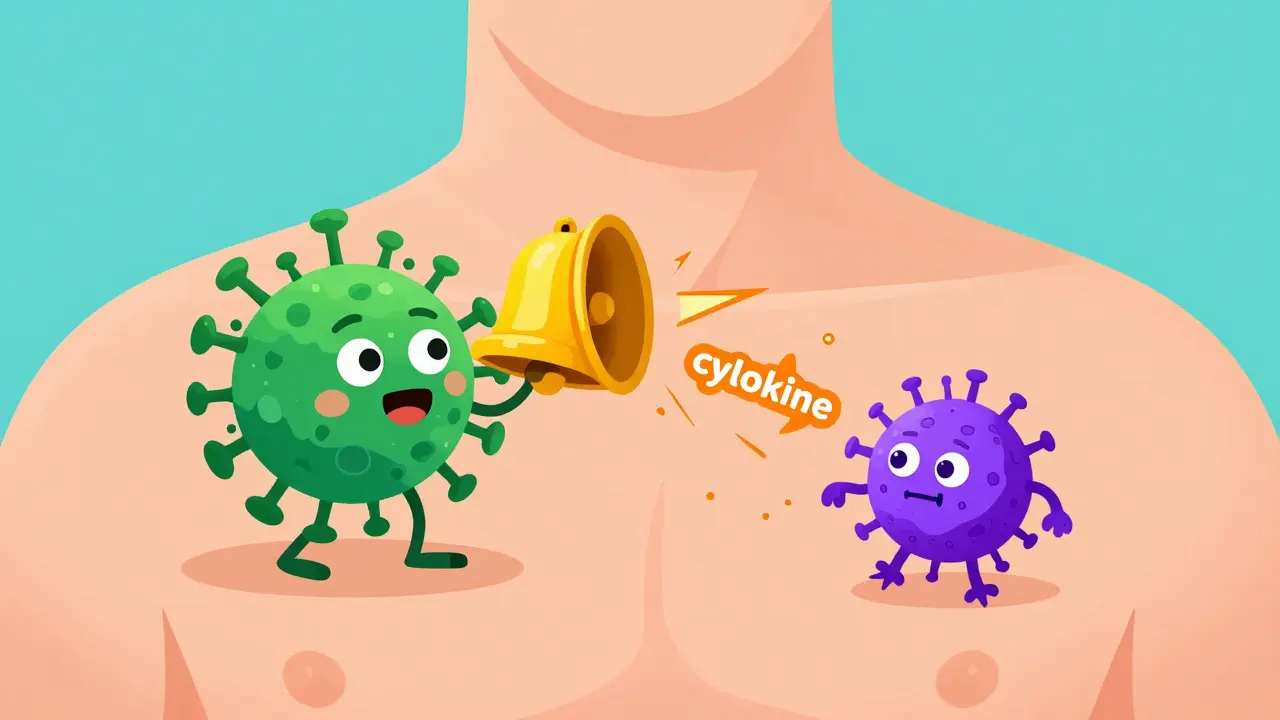
We've all heard that stress makes things worse, but in psoriasis, the link is chemical. When you're under pressure, your body pumps out cortisol and other inflammatory chemicals. These don't just affect your mood; they trigger the "fight-or-flight" response, which sends inflammatory cytokines screaming through your bloodstream. For someone with a genetic predisposition, this is like throwing gasoline on a fire.
It's a vicious cycle. You feel stressed, you get a flare, and then you feel more stressed because your skin looks worse. This bidirectional relationship can make the condition feel inescapable. However, the data shows a way out. Research indicates that just 20 minutes of daily mindfulness meditation can drop cortisol levels by 25% over two months. It's not about removing all stress from your life-which is impossible-but about changing how your body reacts to it.
When Infection Sparks a Flare
Infections are some of the most aggressive triggers because they put your immune system on high alert. A common example is streptococcal infections, such as strep throat or tonsillitis. In children and young adults, this often leads to guttate psoriasis, characterized by small, drop-like lesions that appear suddenly across the body.
It's not just bacteria, though. Viral infections, including the common cold and COVID-19, can dysregulate the antiviral immune response. Specifically, a sensor in your cells called RIG-I can trigger the expression of IL-23, a key protein that drives the inflammatory process in psoriasis. This is why staying up to date on vaccinations, like the seasonal flu shot, can actually be a skin-care strategy-reducing infection-triggered flares by as much as 35% in some patient groups.
Protecting the Skin Barrier: Your First Line of Defense
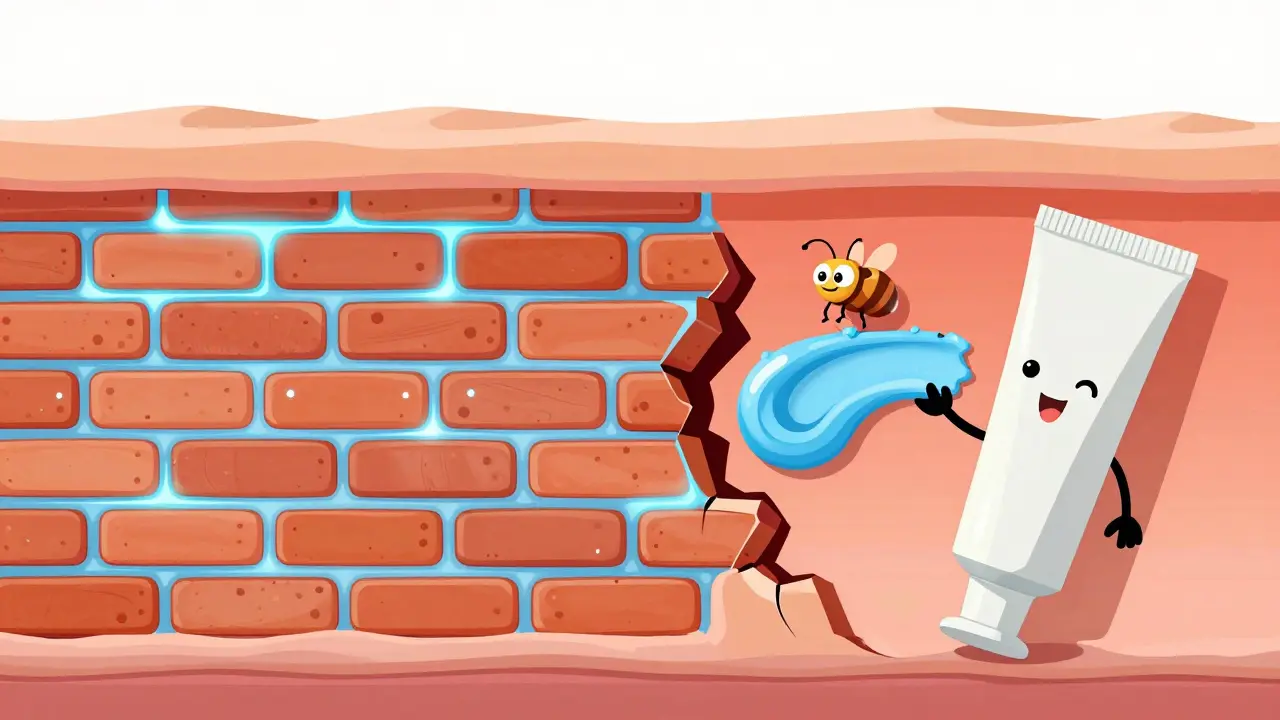
Think of your skin barrier as a brick wall. In healthy skin, the "bricks" (skin cells) are held together by "mortar" (lipids and ceramides) that keep moisture in and irritants out. In psoriasis, this wall is crumbling. When the barrier breaks, bacteria and pollutants seep in, causing more inflammation, which further destroys the barrier. It's a destructive loop.
This vulnerability leads to the Koebner phenomenon. This is where psoriasis develops exactly where the skin was injured. It could be a severe sunburn, a bug bite, or even a scratch from a pet. If your barrier is already weak, these minor traumas act as a direct entry point for a new plaque to form.
| Trigger Category | Primary Mechanism | Key Example | Best Prevention Strategy |
|---|---|---|---|
| Psychological | Cortisol & Cytokine release | Job loss, bereavement | Mindfulness, Therapy, Exercise |
| Biological | Immune system overstimulation | Strep throat, Influenza | Vaccinations, Hand hygiene |
| Physical | Barrier breach (Koebner) | Sunburn, Insect bites | Ceramide creams, Sunscreen |
| Environmental | Transepidermal water loss | Winter air, Low humidity | Humidifiers (40-60% range) |
Practical Steps to Shield Your Skin
Managing your triggers requires a two-pronged approach: internal calm and external protection. For the external side, you need to stop the moisture leak. Use fragrance-free moisturizers that contain ceramides at least twice a day. These act as the "mortar" for your skin cells. Avoid soaps with a pH higher than 5.5, as alkaline soaps strip the skin's natural acidity and leave the barrier wide open.
Regarding the environment, the weather is a huge factor. Cold, dry air is a nightmare for about 68% of patients. If you live in a climate with harsh winters, using a humidifier to keep indoor moisture between 40% and 60% can prevent the skin from cracking. On the flip side, while the sun generally helps relieve symptoms, be careful-about 8% of people have photosensitive psoriasis, meaning a sunburn could actually trigger a flare instead of fixing one.
Diet and the Gut-Skin Axis
While stress and infection are the heavy hitters, what you eat provides the fuel for inflammation. Many people notice a link between their diet and their skin. According to patient surveys, dairy, gluten, and nightshades (like tomatoes and eggplant) are the most commonly reported food triggers. While not every person reacts to these, the emerging science of the gut-skin axis suggests that microbiota dysbiosis-an imbalance of gut bacteria-can drive systemic inflammation.
New research into saturated fatty acids (SFAs) shows they can induce proinflammatory cytokines that make your skin cells overreact. This is why a diet rich in omega-3s and a possible addition of probiotic supplements might help. Some preliminary data suggests probiotics can reduce flare frequency by 22% for those with gut imbalances.
Can positive stress also cause a psoriasis flare?
Yes. It isn't just about "bad" stress. Positive life changes, like getting a promotion, moving to a new city, or getting married, can still trigger the body's stress response and lead to a flare-up.
What is the Koebner phenomenon?
The Koebner phenomenon is when new psoriatic plaques develop at the site of an injury to the skin, such as a cut, burn, or insect bite, even if that area wasn't previously affected.
Why does strep throat cause skin spots?
Streptococcal infections can overstimulate the immune system. In genetically predisposed people, this creates a cross-reaction that manifests as guttate psoriasis-small, drop-like spots typically appearing after a throat infection.
Which moisturizers are best for a damaged skin barrier?
Look for fragrance-free creams that contain ceramides. These lipids help rebuild the skin barrier. Also, ensure any soaps you use are pH-balanced (below 5.5) to avoid further stripping the skin's natural oils.
Can I prevent flares through lifestyle changes alone?
While lifestyle changes like stress management and barrier care can significantly reduce the frequency and severity of flares, psoriasis is an autoimmune condition that often requires medical treatment. These strategies work best as a complement to a doctor-prescribed plan.
Next Steps for Flare Management
If you're currently in a flare, start by identifying the most likely culprit. Did you have a cold last week? Have you been working 60-hour weeks? Or is your skin simply dry from the winter air? Tracking your symptoms in a journal or app can help you find patterns that aren't obvious in the moment.
For those struggling with constant cycles, consider integrating a "barrier first" routine: cleanse with a gentle pH-balanced wash, apply a ceramide cream while the skin is still damp, and use a humidifier in your bedroom. If you notice a trend with infections, prioritize your vaccinations and hygiene. Finally, don't overlook the mental side-scheduling a few minutes of mindfulness can be just as important as your topical creams.