
Statin Discontinuation Risk Calculator
Your Health Information
Your 10-Year Cardiovascular Risk
Recommendation
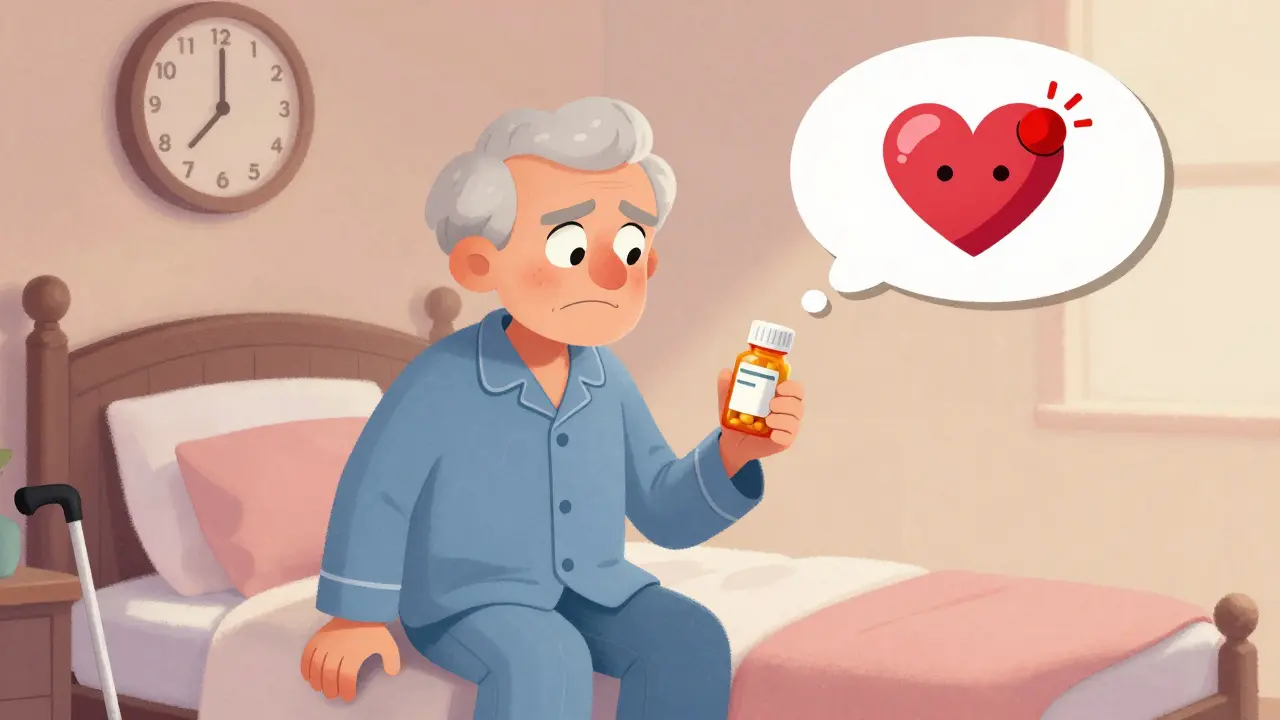
For millions of people, statins are a daily part of life - like brushing teeth or taking a multivitamin. But what happens when the daily pill no longer feels right? Maybe your muscles ache more than they used to. Maybe you’re 80 and your doctor just told you your prognosis is six months. Or maybe you’re tired of being told you need to take a pill forever, even if you’ve never had a heart attack. You’re not alone. About 19% of people on statins stop taking them for at least a year, often because of side effects or confusion about whether they still need them.
Why Do People Stop Statins?
Most people who stop statins aren’t rebels. They’re tired. They’re scared. Or they’re confused. Muscle pain is the #1 reason. It’s not always clear if the pain is from the statin or just aging, but if your legs feel heavy after walking or you wake up stiff every morning, it’s easy to blame the pill. A 2019 study in the Journal of the American Heart Association found that nearly 70% of patients who quit statins said they did so because they feared or felt side effects. Fear of diabetes, memory loss, or liver damage also plays a role - even though serious side effects are rare. But here’s the catch: many of these side effects aren’t real. In placebo-controlled trials, people who took sugar pills reported the same muscle pain as those on statins. That doesn’t mean the pain isn’t real - it just means the link to statins isn’t always direct. Still, if you feel better off the drug, that matters. The goal isn’t to force you to stay on something that makes you miserable. It’s to make sure you’re not trading one risk for another without knowing it.Who Should Definitely Keep Taking Statins?
If you’ve had a heart attack, stroke, stent, or bypass surgery - you’re in the secondary prevention group. For you, statins aren’t optional. They’re life-saving. A 2021 study in JAMA Network Open found that people who stopped statins after a cardiovascular event had 1 extra major heart problem for every 77 people who quit each year. That’s not a small number. It’s like ignoring a smoke alarm because it’s annoying - and then wondering why the house burned down. Even if you’re 75 and had a heart attack 10 years ago, you still benefit. Statins don’t just lower cholesterol. They calm inflammation in your arteries, stabilize plaque, and prevent clots. That protection doesn’t vanish after five years. Stopping doesn’t make you “immune” to future events. It just leaves you exposed.Who Might Be Able to Stop Safely?
The real question isn’t “Can I stop?” It’s “Should I stop?” And the answer depends on your life stage and health goals. If you’re over 75, have multiple chronic conditions, and your doctor says you likely have less than two years to live - stopping statins is often the right move. A 2024 review in the Journal of the American Geriatrics Society looked at hospice patients and found no increase in death risk after stopping statins. In fact, many felt better. Fewer pills. Less confusion. Less worry about side effects. For someone in their final months, the goal isn’t to live longer - it’s to live better. Same goes for people with advanced cancer, severe dementia, or end-stage kidney disease. If your focus is comfort, not longevity, statins add burden without clear benefit. The American Geriatrics Society has been clear: deprescribing is part of good care. Not every pill you started at 50 needs to be taken at 85. And then there’s primary prevention - people who’ve never had a heart problem but take statins to prevent one. For them, the math is different. The same 2021 study found that for every 112 people who stopped statins, there was 1 extra heart event per year. That’s lower than secondary prevention, but still meaningful. If you’re 60, healthy, and on a statin because your cholesterol is high, stopping isn’t a free pass. You’re trading a small, long-term risk for immediate relief - and that’s a decision you should make with your doctor, not your gut.What Happens When You Stop?
Your cholesterol will rise. That’s guaranteed. But how fast? How high? And what does that actually mean for your heart? Statins lower LDL (“bad”) cholesterol by 30% to 60%, depending on the dose and type. When you stop, your levels bounce back - usually within 2 to 4 weeks. If you were at 160 mg/dL before and your statin brought you down to 80, you’ll likely go back to 140-150. That’s not a disaster. But if you’ve got diabetes, high blood pressure, or a family history of early heart disease, that 70-point jump matters. Some people feel better physically after stopping - less muscle pain, more energy. Others notice nothing. A few panic when their cholesterol climbs and rush back to their doctor. That’s normal. But here’s the thing: cholesterol is just one number. Your overall risk is shaped by blood pressure, smoking, weight, activity, and inflammation. If you’ve improved those, you might be safer than you think.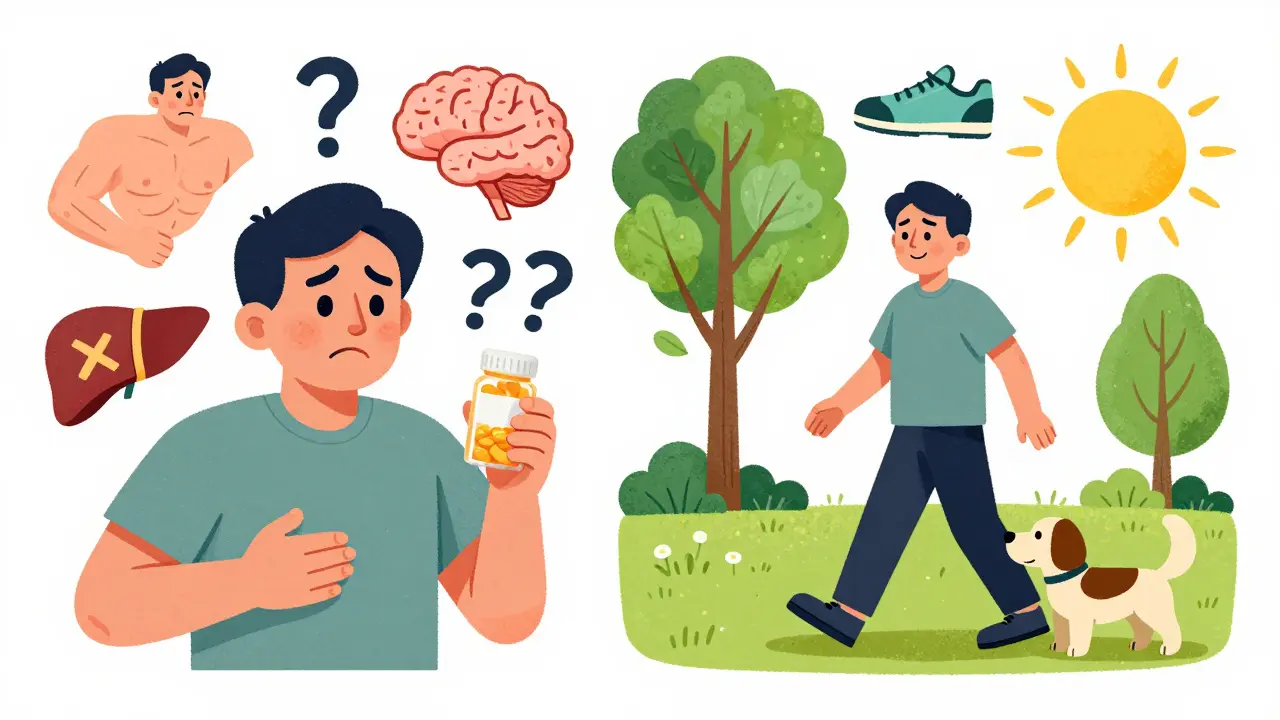
How to Stop Safely - Step by Step
Never quit cold turkey unless your doctor says so. Even if you’re stopping for side effects, a plan matters.- Talk to your doctor first. Don’t assume they know why you want to stop. Bring your concerns: muscle pain, fatigue, fear of long-term use, or feeling like you’re being medicated for life.
- Review your real risk. Ask: “Have I had a heart attack or stroke?” “Do I have diabetes?” “What’s my 10-year risk score?” Tools like the ASCVD Risk Estimator can help. If your risk is low and you’re healthy, stopping might be safe.
- Try alternatives first. If muscle pain is the issue, switching to a different statin (like pravastatin or fluvastatin) or lowering the dose often helps. Some people do fine on every-other-day dosing. Non-statin options like ezetimibe or PCSK9 inhibitors exist, but they’re pricier and not always covered.
- Consider a trial stop. For primary prevention patients, some doctors suggest stopping for 3 months, then checking your cholesterol and symptoms. If your LDL stays below 100 and you feel fine, you might not need to restart. If it spikes or you feel worse, you can always go back.
- Monitor and document. Write down how you feel. Track any new aches, fatigue, or brain fog. Get your cholesterol checked 4-6 weeks after stopping. If your doctor doesn’t offer this, ask for it.
What If You Stop and Regret It?
It happens. People stop statins, feel great for a few months, then have a scare - chest pain, a new abnormal EKG, or a sudden spike in cholesterol. That’s when panic sets in. If you stop and later feel unsure, don’t beat yourself up. Go back to your doctor. Restarting statins is safe. You won’t “damage” your body by taking a break. The goal isn’t perfection. It’s balance. If you’re 70, have high blood pressure, and stopped statins because of muscle pain - and now you’re anxious about heart disease - restarting a low dose might be the best move. The key is communication. Your doctor isn’t judging you. They want to help you live well - not just live longer.What About Alternatives?
Some people look for “natural” fixes: red yeast rice, garlic, fish oil, plant sterols. Red yeast rice contains a compound similar to statins - and carries the same risk of muscle pain. Fish oil lowers triglycerides but doesn’t touch LDL. Plant sterols can lower LDL by 5-10%, but not enough for high-risk patients. For those who truly can’t tolerate statins, ezetimibe (Zetia) is a common alternative. It blocks cholesterol absorption in the gut. PCSK9 inhibitors like Repatha or Praluent are powerful - they can slash LDL by 60% - but they’re injectables and cost thousands a year. Most insurance won’t cover them unless you’ve failed other options. Lifestyle changes matter. Walking 30 minutes a day, eating more fiber, cutting added sugar, and quitting smoking can reduce your heart risk as much as a low-dose statin. But they’re not replacements. They’re partners.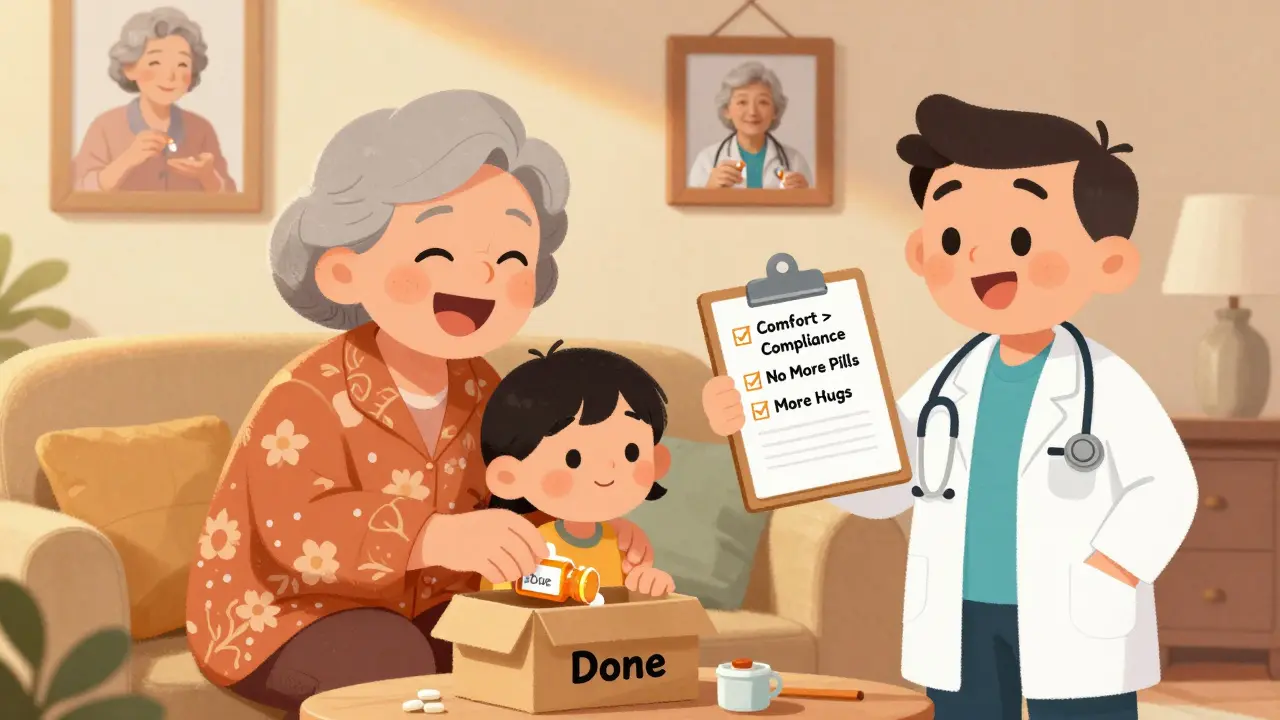
When Is It Time to Reconsider?
You should revisit your statin use every few years - especially after 70, after a major life change (like a diagnosis of cancer or dementia), or if your health goals shift. If you used to want to live to 90, but now you just want to enjoy your grandkids without pills, that’s valid. Doctors aren’t always good at this. A 2014 study found that in older veterans, statins were often continued long after they made sense - not because of evidence, but because no one asked the question. Don’t wait for your doctor to bring it up. Ask: “Is this still right for me?”Final Thoughts
Statin discontinuation isn’t about rebellion. It’s about realism. Medicine isn’t one-size-fits-all. What saved your life at 60 might just be clutter at 85. The goal isn’t to avoid pills at all costs. It’s to make sure every pill you take still earns its place. If you’re young and healthy with high cholesterol - stay on it. If you’re frail, older, and focused on comfort - talk to your doctor about stopping. If you’re stuck in the middle - ask for a plan. Don’t quit blindly. Don’t stay on out of fear. Make a decision based on your life, your body, and your goals - not a brochure or a statistic.Can I stop statins cold turkey?
You can, but it’s not recommended. Stopping suddenly won’t cause withdrawal, but it can lead to a rapid rise in cholesterol, which may increase short-term risk for people with high cardiovascular risk. It’s better to work with your doctor to plan a safe stop, especially if you’ve had a heart event or stroke.
Do statins cause muscle damage?
Serious muscle damage (rhabdomyolysis) is extremely rare - less than 1 in 10,000 people. More common is mild muscle soreness or fatigue, which affects up to 10% of users. Often, this isn’t caused by the statin itself. In studies, people taking placebo pills report the same symptoms. Still, if you feel worse on statins, try switching to a different type or lowering the dose before quitting entirely.
Will my cholesterol go back to normal if I stop?
Yes - usually within 2 to 4 weeks. Your LDL will rise back to where it was before you started the statin. That doesn’t mean you’re back to square one. If you’ve improved your diet, lost weight, or become more active, your overall risk may still be lower than before you started taking statins.
Is it safe to stop statins if I’m over 75?
For people over 75 with no history of heart disease or stroke, stopping statins is often safe - especially if you have other serious health conditions or a life expectancy under two years. Studies show no increase in death or heart events in this group after stopping. But if you’ve had a heart attack or stent, you should usually keep taking them unless your doctor advises otherwise.
What if I stop statins and my doctor says I need them again?
That’s okay. Restarting statins is safe and common. Many people stop, feel better, then later realize they miss the protection - especially if they develop high blood pressure or diabetes. There’s no penalty for changing your mind. The goal is to find what works for you right now, not to stick to a decision made years ago.
Are there natural ways to replace statins?
Lifestyle changes - like eating more oats, nuts, and vegetables, walking daily, and quitting smoking - can reduce heart risk, but they don’t match the power of statins for high-risk people. Supplements like red yeast rice contain natural statins and carry the same risks. Fish oil and plant sterols help a little, but not enough for those with established heart disease. Don’t replace statins with unproven fixes unless you’re low-risk and under medical supervision.
Next Steps for Patients
If you’re thinking about stopping statins, start here:- Write down why you want to stop - pain? fear? cost? confusion?
- Check your last cholesterol number and when you had your last heart check-up.
- Ask your doctor: “Do I still need this based on my current health?”
- Request a 3-month trial stop with follow-up blood work if you’re low-risk.
- Don’t rely on online forums. Talk to your doctor or a pharmacist trained in deprescribing.


Comments (10)