
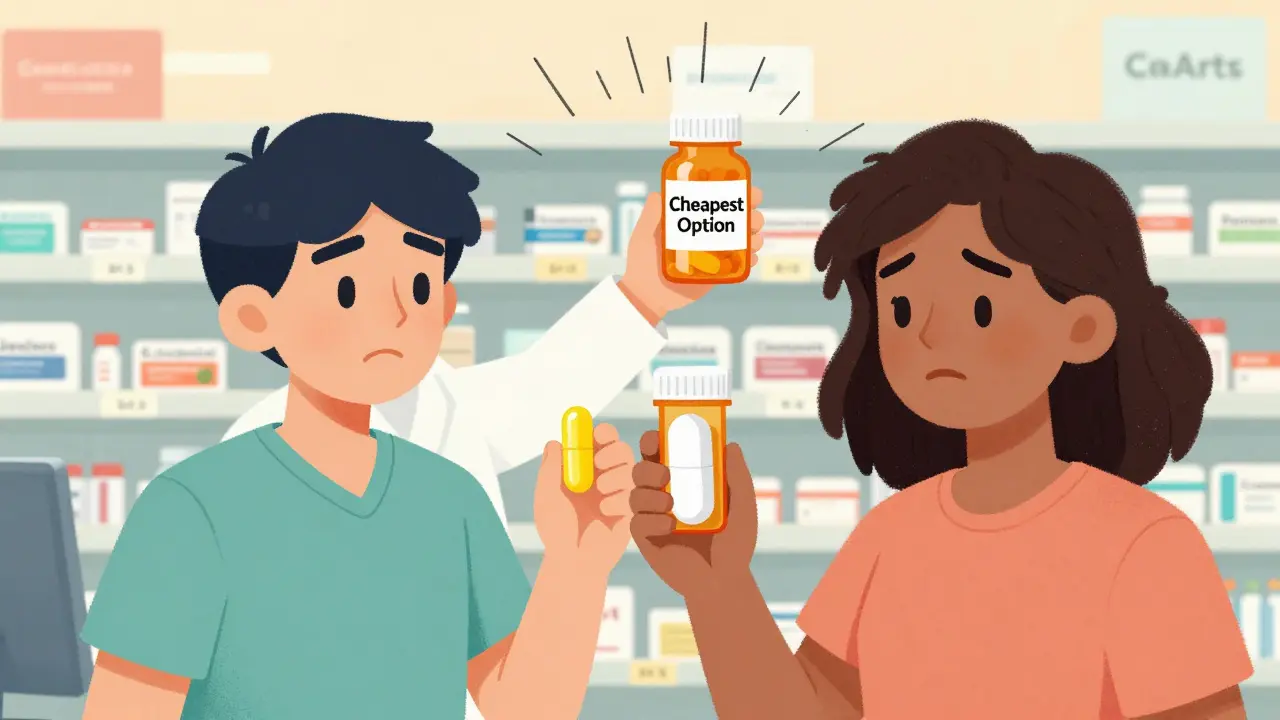
When you pick up your prescription, you might not notice that the pill looks different this time. Smaller. Yellow instead of white. Maybe it has a different imprint. That’s not a mistake. It’s likely your pharmacy switched to a different generic version of your medication. This happens all the time - and most people never think twice about it. But for some drugs, this switch can make a real difference in how you feel.
Why Do Generic Medications Keep Changing?
Generic drugs are cheaper copies of brand-name medicines. Once a patent expires, multiple companies can make the same drug using the same active ingredient. In the U.S., over 90% of prescriptions are filled with generics. And because pharmacies and insurers want to save money, they often pick the cheapest option available at the time. That means you might get one brand of generic this month, another next month, and another the month after that. It’s not about your health - it’s about cost.Insurers push for the lowest price. Pharmacies stock what’s cheapest to buy. Manufacturers compete to undercut each other. The result? You’re the one holding the pill bottle that changes shape, color, and size every few weeks.
Not All Generics Are Created Equal
The FDA says generics must be “bioequivalent” to the brand-name drug. That means they deliver between 80% and 125% of the active ingredient compared to the original. Sounds close, right? But here’s the catch: two different generics could be at opposite ends of that range. One might release 80% of the drug, another 125%. That’s a 45% difference in how much medicine actually gets into your bloodstream.For most drugs - like statins or blood pressure pills - that variation doesn’t matter. Your body can handle it. But for drugs with a narrow therapeutic index (NTI), even small changes can be dangerous. These are medicines where the line between effective and toxic is razor-thin.
Examples include:
- Levothyroxine (for hypothyroidism)
- Warfarin (a blood thinner)
- Tacrolimus (used after organ transplants)
- Phenytoin and other antiepileptic drugs
If you’re on one of these, switching between generics can cause your blood levels to spike or drop. That means new side effects, loss of control over your condition, or even hospitalization.
Real Stories: When Switching Goes Wrong
One patient on Reddit shared that after switching from one generic seizure medication to another, they had two breakthrough seizures in three weeks. Their neurologist checked their blood levels - they’d dropped sharply. Another person with hypothyroidism wrote on a patient forum: “Every time my levothyroxine changes manufacturer, my TSH goes wild. I feel exhausted, gain weight, and get cold for weeks until my doctor adjusts my dose.”These aren’t rare cases. Studies show that 32.7% of people on levothyroxine report problems after switching generics. For antiepileptic drugs, the switch-back rate - meaning patients go back to the original brand or demand a specific generic - is as high as 44.1%. That’s nearly half the people.
On the flip side, many people never notice a difference. One user on GoodRx said they’ve taken generic lisinopril for five years with five different manufacturers - and their blood pressure has stayed perfect.
The truth? It depends on the drug. And on you.
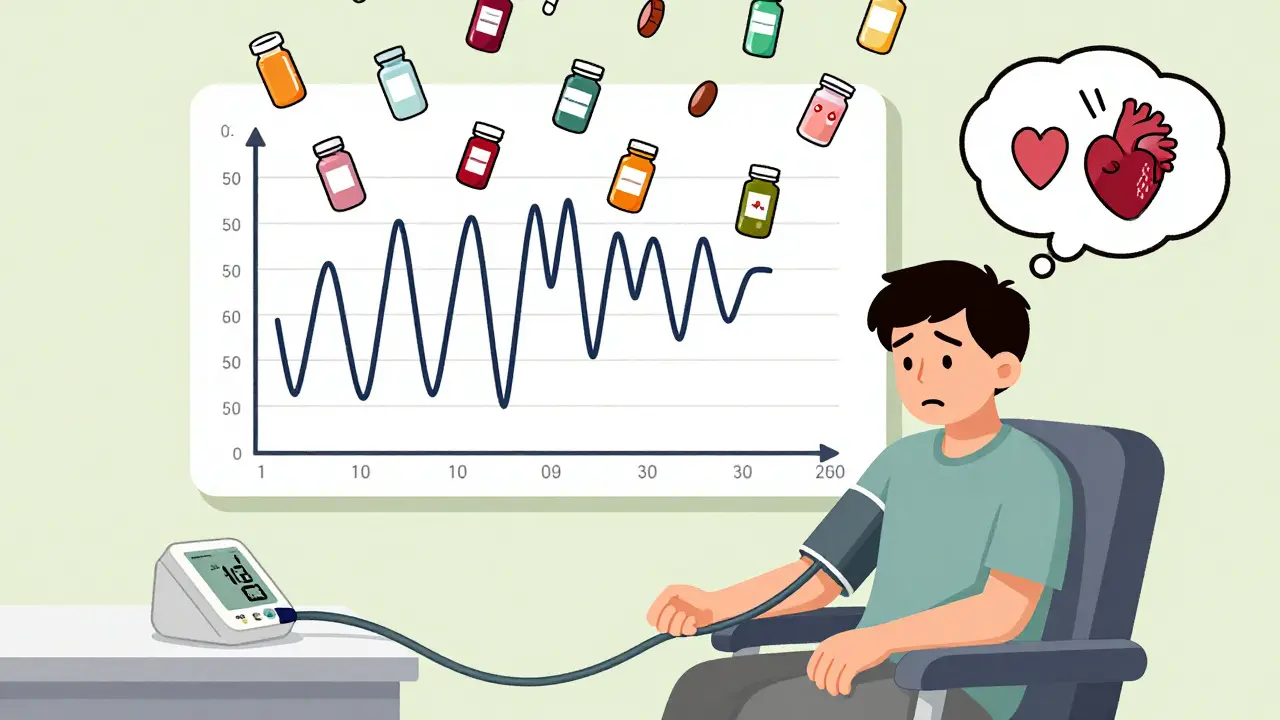
Which Drugs Are Riskiest to Switch?
Not all medications behave the same way when generics change. Here’s what the data shows:| Drug Class | Switching Risk | Why |
|---|---|---|
| Levothyroxine | High | Small changes in thyroid hormone levels cause major symptoms - fatigue, weight gain, heart issues. |
| Warfarin | High | Even tiny changes in blood levels can cause dangerous bleeding or clots. INR levels must be monitored closely after any switch. |
| Antiepileptics | Very High | Breakthrough seizures are common after switching. Patients often need dose adjustments. |
| Tacrolimus | Very High | Transplant patients can reject their new organ if levels drop. Requires frequent blood tests. |
| Statins | Low | Most people see no difference. Cholesterol levels stay stable across generics. |
| ACE Inhibitors (e.g., lisinopril) | Low | Blood pressure control remains consistent even with manufacturer changes. |
If you’re on a high-risk drug, don’t assume all generics are the same. Ask your pharmacist: “Which manufacturer is this?” Write it down. Keep a note in your phone.
What You Can Do to Stay Safe
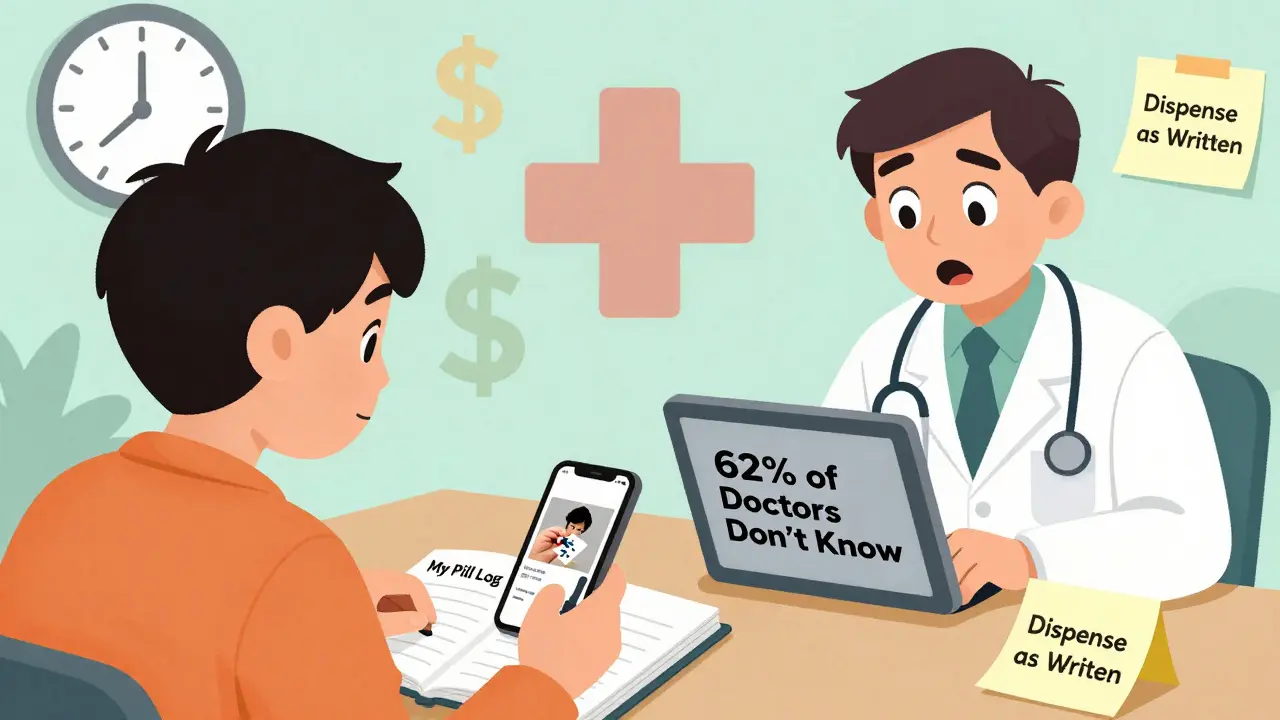
You don’t have to accept random switches. Here’s how to take control:- Ask your doctor to write “Dispense as Written” or “Do Not Substitute” on your prescription. This legally stops the pharmacy from switching your generic without permission.
- Check your pill every time. If it looks different, ask the pharmacist: “Is this the same manufacturer as last time?”
- Keep a medication log. Note the name, color, shape, and imprint of each pill you get. Use a notes app or a small notebook.
- Request a “lock-in” for NTI drugs. Some pharmacies and insurers offer programs where you get the same generic every time. Ask if this is available.
- Get blood tests after a switch. If you’re on warfarin, levothyroxine, or tacrolimus, ask for a follow-up test 2-4 weeks after a new generic is dispensed.
- Report problems. If you feel worse after a switch, tell your doctor - and file a report with the FDA’s MedWatch program. Your experience helps others.
Why Doctors Often Don’t Know
Here’s a shocking fact: 62% of doctors in a 2023 survey didn’t know when their patients’ generic medication changed. Pharmacists aren’t required to notify prescribers. So if you feel off after a switch, you might be the first person to notice.That’s why you need to be your own advocate. Don’t wait for your doctor to catch it. If your symptoms change after a refill, connect the dots yourself.
The Bigger Picture: Cost vs. Safety
Generic drugs save the U.S. healthcare system $8-10 billion a year. That’s huge. But the push for the lowest price doesn’t always match the need for the safest option.Regulators are starting to pay attention. In 2024, Medsafe (New Zealand’s drug safety agency) issued new guidance recommending against switching levothyroxine brands unless absolutely necessary. The FDA is running pilot programs to track formulation changes in generics. Some states are considering laws to require pharmacists to inform patients when a switch happens.
But until those changes roll out, the burden falls on you.
What’s Next?
The number of generic drugs will keep growing. By 2028, they’ll make up 78% of all prescriptions. But for high-risk medications, the trend is shifting toward fewer switches - not more.Some experts are pushing for standardized pill designs across all generic manufacturers. Imagine if every levothyroxine tablet looked the same, no matter who made it. That would cut down on confusion and errors.
For now, the best defense is awareness. Know your drug. Know your pill. Know your body. And don’t let cost savings come at the cost of your health.
Can I ask my pharmacy to always give me the same generic manufacturer?
Yes. You can ask your pharmacist to fill your prescription with the same generic manufacturer each time. Some pharmacies will honor this, especially if you explain you’ve had issues with switching. You can also ask your doctor to write "Dispense as Written" on your prescription, which legally prevents substitution unless you or your doctor approve it.
Are generic drugs less effective than brand-name drugs?
For most drugs, no. Generics meet the same FDA standards for safety and effectiveness. But for drugs with a narrow therapeutic index - like levothyroxine or warfarin - differences in inactive ingredients or how the drug is released can affect how your body responds. That’s not because generics are "less effective," but because small changes matter more in these cases.
Why do generic pills look different every time?
Generic manufacturers can’t copy the exact appearance of the brand-name drug due to trademark laws. So each company designs its own pill - different color, shape, or imprint. That’s why your pill might change every refill. It’s not a mistake - it’s the law. But it can cause confusion, especially for people taking multiple medications.
Should I avoid generic drugs altogether?
No. For most people and most medications, generics are safe, effective, and save money. The problem isn’t generics - it’s frequent switching between different ones, especially for high-risk drugs. If you’re on a statin or an antibiotic, switching is usually fine. If you’re on warfarin or levothyroxine, ask for consistency.
What should I do if I think a generic switch made me feel worse?
First, check your pill. Compare it to your last refill. If it looks different, contact your pharmacist and ask which manufacturer it is. Then, call your doctor. Mention the switch and your symptoms. For NTI drugs, ask for a blood test to check your levels. Don’t wait. Your health matters more than cost savings.


Comments (8)