
When chronic back pain, persistent discomfort in the lower or upper back lasting more than 12 weeks. Also known as long-term back pain, it's not just soreness—it's a signal your body is stuck in a cycle of inflammation, nerve irritation, or muscle imbalance. Unlike a pulled muscle that heals in days, chronic back pain sticks around because something deeper is wrong. It might start with a bad lift, a car accident, or even just years of sitting wrong. But once it becomes chronic, the problem isn’t just the injury—it’s how your nervous system keeps screaming for no good reason.
This kind of pain often links to other conditions like osteoarthritis, wear-and-tear damage in the spine’s joints, or nerve pain, when damaged nerves send false pain signals. Some people find relief with NSAIDs, nonsteroidal anti-inflammatory drugs like ibuprofen or diclofenac, but these only mask the issue. Others turn to physical therapy, targeted exercises to rebuild strength and movement patterns, which actually rewires how your body handles pain. The real key? It’s not one fix—it’s stacking small wins: better posture, controlled movement, and avoiding triggers that flare things up.
What you won’t find in quick-fix ads is the truth: chronic back pain responds best to consistency, not magic pills. That’s why the posts here focus on real solutions—like how certain pain meds work (or don’t), what stretches actually help, and when to question if your pain is coming from your spine, your nerves, or even your gut. You’ll see comparisons between drugs like diclofenac and other NSAIDs, learn how yoga eases joint stress, and find out why some people with burning heel pain share the same nerve issues as those with chronic back pain. This isn’t about guessing. It’s about knowing what’s behind your pain and what actually moves the needle.
Written by Mark O'Neill
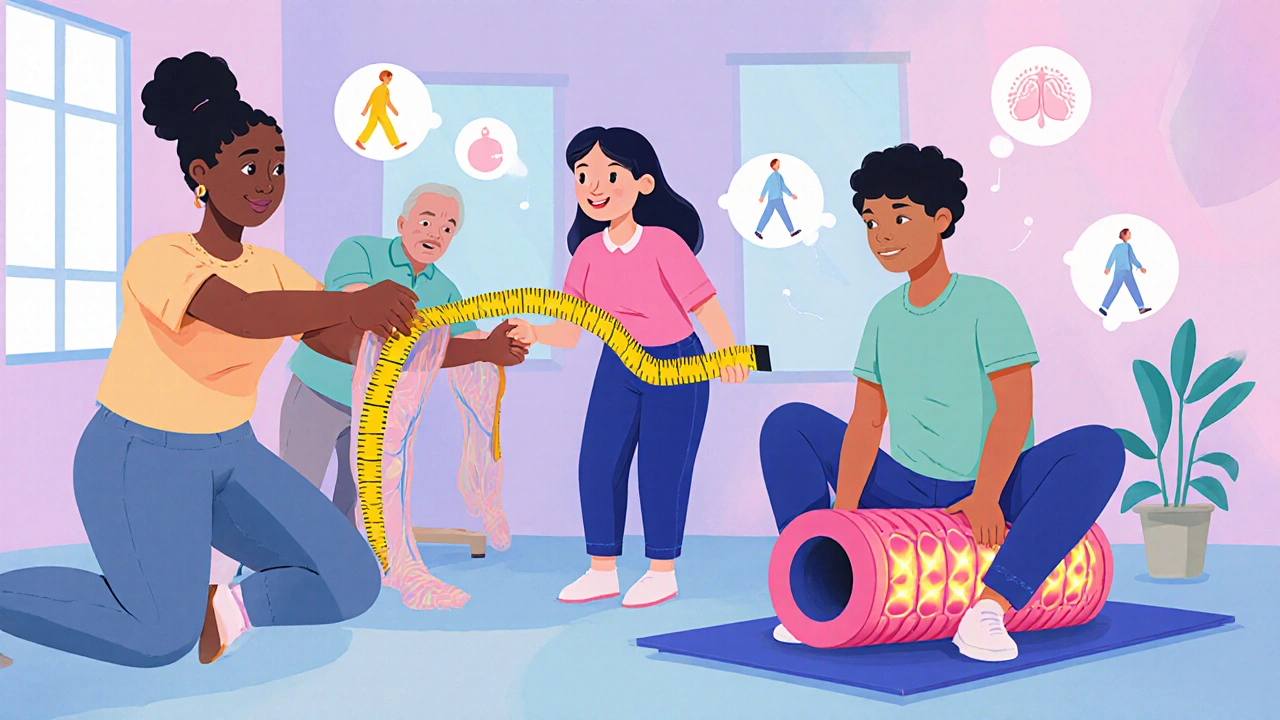
Chronic back pain lasting over 12 weeks requires a combined approach: physical therapy to rebuild movement, smart medication use for relief, and daily self-management to maintain progress. Learn what works, what doesn't, and how to make it stick.