
When a drug shortage, a situation where the supply of a medication falls below patient demand, often due to manufacturing, regulatory, or supply chain issues. Also known as medication shortage, it can leave people without access to life-saving treatments like insulin, antibiotics, or heart medications. This isn’t just a hospital problem—it hits families, pharmacies, and doctors every day. You might not hear about it on the news, but if you’ve ever been told your prescription is unavailable, you’ve felt it.
Drug shortages happen for real, simple reasons: one factory makes most of a drug, and if it shuts down for inspection, there’s no backup. Raw materials get delayed. Companies stop making cheap generics because the profit is too low. The pharmaceutical supply chain, the global network of manufacturers, distributors, and regulators that moves medicines from labs to patients is fragile, and it’s stretched thin. Even a small disruption—like a power outage at a plant in India or China—can ripple across the U.S. and Europe. The generic drugs, low-cost versions of brand-name medications that make up over 90% of prescriptions are especially vulnerable. They’re made with tight margins, so when costs rise or demand spikes, manufacturers walk away.
What does this mean for you? If you take blood pressure pills, antidepressants, or chemo drugs, a shortage could mean switching to a different brand, waiting weeks for a refill, or getting a less effective substitute. Some patients report worse side effects or no improvement at all when forced to switch. And it’s not just about getting the medicine—it’s about trust. When your doctor can’t give you what you need, it creates fear, confusion, and delays in care. The drug safety, the ongoing monitoring of medications for risks, side effects, and effectiveness, especially during supply changes system tries to catch these issues, but it’s reactive, not preventive.
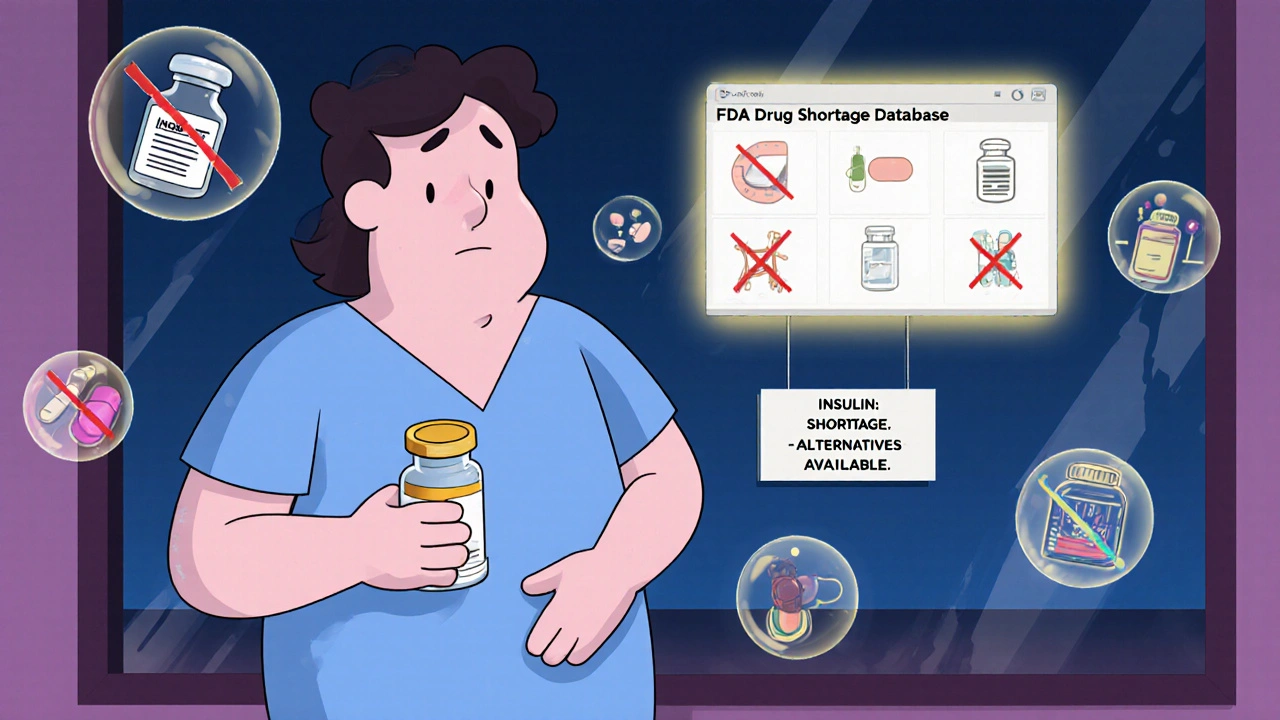
You’re not powerless. You can track shortages through official sources like the FDA’s list, ask your pharmacist about alternatives, and report when a drug you need isn’t available. Your voice helps regulators see where the gaps are. The posts below cover real cases: how insulin storage fails when supply chains break, why heart failure meds get swapped out dangerously, how patients report side effects from substitutes, and how global generic markets are shifting under pressure. These aren’t theoretical—they’re stories of people managing their health while the system stumbles.
Written by Mark O'Neill
When your medication runs out during a shortage, knowing safe alternatives and how to find them can prevent health risks. Learn what works, what to avoid, and how to navigate insulin, antibiotic, and cancer drug shortages in 2025.