
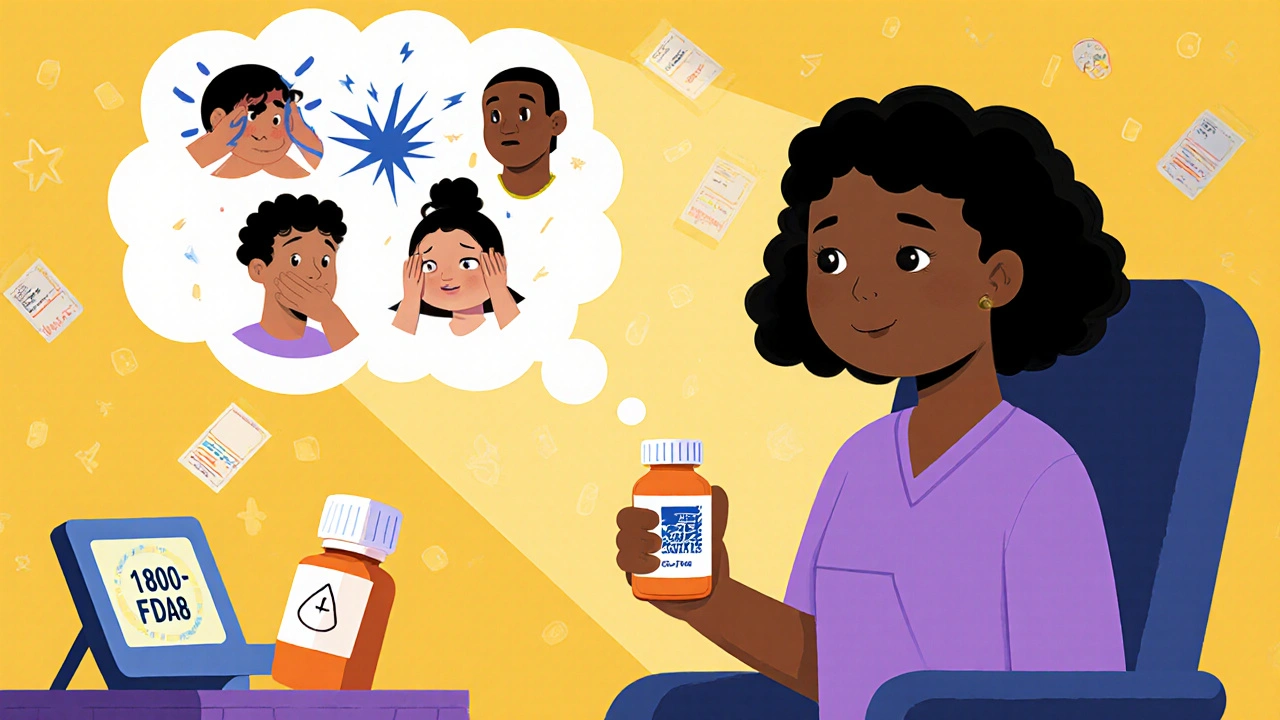
When you take a drug side effect, an unintended reaction to a medication that occurs at normal doses. Also known as adverse drug reactions, these are not rare accidents—they’re predictable outcomes built into how medicines work in your body. Every pill, injection, or patch you use has a job to do, but it doesn’t always stop at the target. It can affect your stomach, your nerves, your liver, or even your mood. That’s not a flaw—it’s biology.
Some side effects are mild: a dry mouth, a headache, or feeling a little dizzy. Others? They can be serious enough to land you in the hospital. Take clindamycin phosphate, an antibiotic that can trigger dangerous gut infections if it disrupts your microbiome. Or clozapine, an antipsychotic that drops in level when you smoke, forcing doctors to adjust doses—or risk toxicity when you quit. These aren’t edge cases. They’re standard clinical realities. And if you’re on multiple meds, the risk grows. drug interactions, when two or more medicines change how each other works in your body can turn a safe dose into a dangerous one. That’s why checking for interactions isn’t optional—it’s essential.
What you don’t see on the label matters too. Some side effects show up weeks later. Others only happen if you drink alcohol, skip meals, or have a genetic quirk that changes how your liver breaks things down. That’s why reporting even small changes to your doctor matters. If your skin turns yellow, your heart races, or you feel unusually tired, it’s not "just stress." It could be your body telling you something’s off.
And here’s the truth: not all side effects are bad. Sometimes, a side effect becomes the reason a drug gets used for something else. Niacinamide, for example, started as a treatment for pellagra—but now it’s a skincare staple because it reduces redness and acne. That’s not luck. It’s science paying attention.
What you’ll find here isn’t a scary list of warnings. It’s a clear look at what actually happens when you take medication—why it happens, how to spot the real risks, and what to do next. You’ll see how people manage side effects from blood pressure pills, antibiotics, pain meds, and even heart drugs. You’ll learn when to push back, when to wait it out, and when to call your doctor immediately. This isn’t about fear. It’s about control.
Written by Mark O'Neill
Learn how to report medication side effects to the FDA - why your voice matters, how to file a report in minutes, and how this simple step helps protect others from dangerous drug reactions.