
When doctors talk about dysplasia risk, an abnormal growth of cells that may lead to cancer if left unchecked. Also known as precancerous changes, it’s not cancer yet—but it’s a signal your body needs attention. This isn’t something that happens overnight. It’s often the result of long-term irritation, infection, or genetic factors slowly changing how cells behave.
Dysplasia risk shows up in different places, and each one has its own triggers. cervical dysplasia, often linked to HPV infection, is one of the most common types, found during routine Pap tests. oral dysplasia, seen as white or red patches in the mouth, can come from smoking, heavy alcohol use, or chronic irritation from sharp teeth. Then there’s dysplasia in the esophagus, skin, or even the bladder—each with its own risk profile. The common thread? These aren’t random. They’re your body’s way of saying something’s off, and it’s trying to heal itself the wrong way.
What makes dysplasia risk tricky is that you often won’t feel it. No pain. No swelling. Just a slow, silent shift in your cells. That’s why screening matters. A simple test—like a Pap smear, biopsy, or oral exam—can catch it early. And when caught early, the chances of stopping it before it turns into cancer are very high. Treatments range from monitoring to minor procedures, depending on how far the changes have gone. The goal isn’t to panic, but to act smart.
Some of the posts below dive into how medications, lifestyle changes, and even infections like HPV can influence these abnormal cell changes. Others show how conditions like chronic inflammation or long-term use of certain drugs might increase your dysplasia risk. You’ll find real examples of how people manage this—whether it’s through regular checkups, quitting smoking, or adjusting their diet. This isn’t about fear. It’s about knowing what to watch for, when to get tested, and how to take control before things get worse.
Written by Mark O'Neill
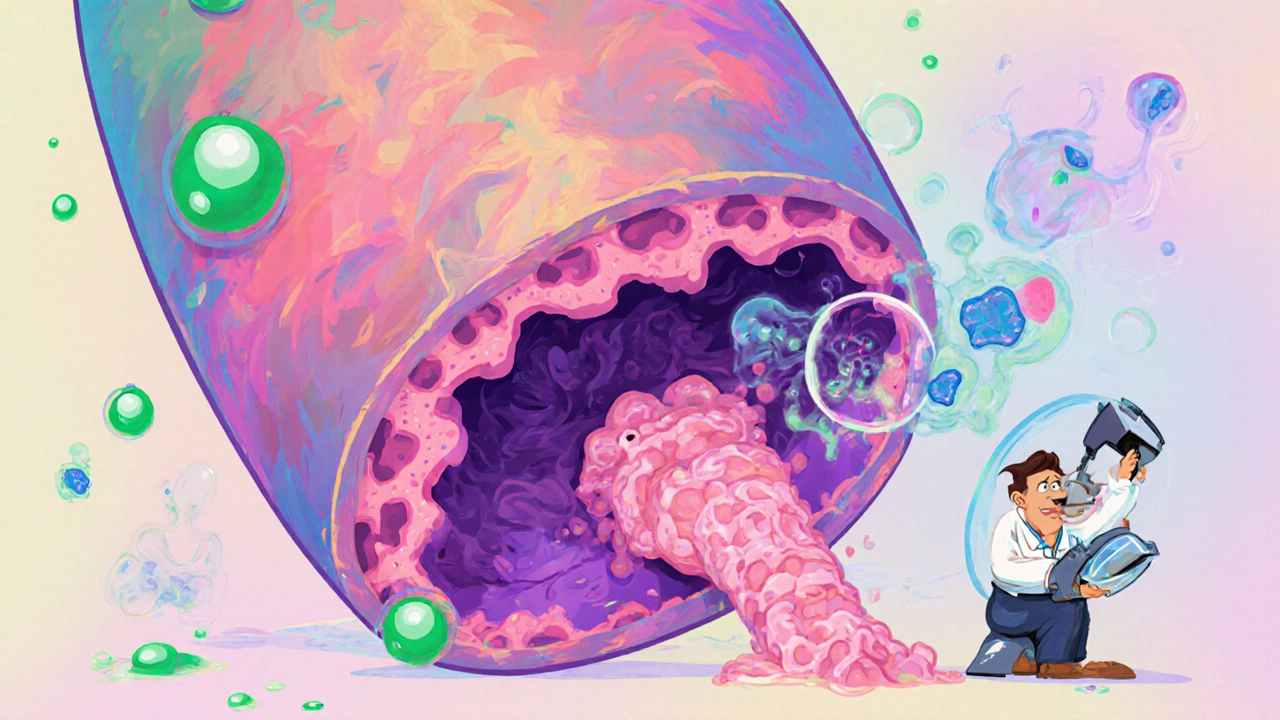
Barrett’s esophagus increases cancer risk, but modern ablation techniques like RFA and cryoablation can prevent progression. Learn who’s at risk, how dysplasia is diagnosed, and which treatments work best.