
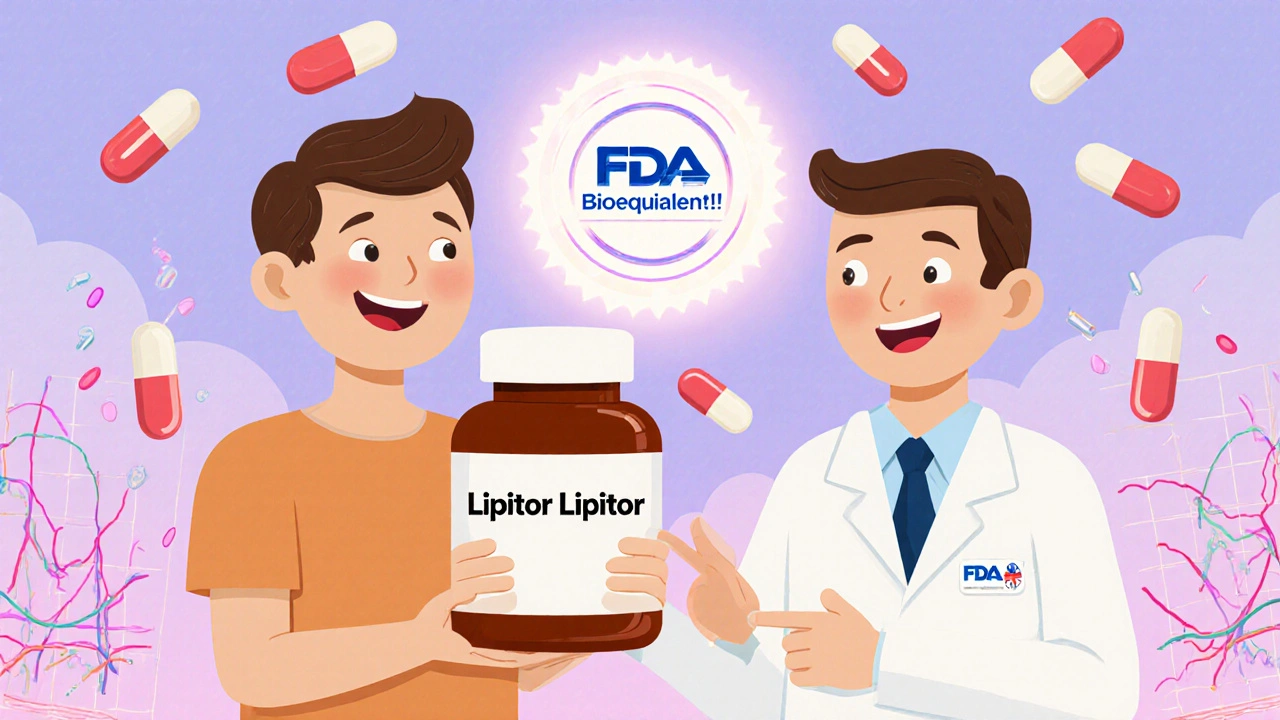
When you pick up a prescription and see a generic version instead of the brand name, you might wonder: FDA generic approval, the official process by which the U.S. Food and Drug Administration confirms a generic drug is as safe and effective as its brand-name counterpart. Also known as therapeutic equivalence, it’s not just a paperwork step—it’s what keeps your medicine affordable and reliable. The FDA doesn’t just accept claims. They demand proof. A generic drug must contain the same active ingredient, in the same strength, and work the same way in your body. No shortcuts. No guesswork.
Behind every approved generic is a mountain of data. The manufacturer must show their version matches the brand in how it’s absorbed, how long it lasts, and how it behaves in your bloodstream. This isn’t about looks or packaging—it’s about what happens inside you. That’s why NDC codes, unique 10-digit numbers assigned by the FDA to identify every drug product matter. They track every pill, capsule, or injection from factory to pharmacy. If a generic gets recalled or has an issue, the NDC code tells you exactly which batch you got. It’s the digital fingerprint of your medicine.
Therapeutic equivalence doesn’t mean identical in every way. Generics can have different fillers, colors, or shapes. But the active ingredient? Same. The dose? Same. The effect? Same. That’s why pharmacists can swap brands for generics without asking you—because the FDA says it’s safe. But this system only works if everyone plays by the rules. Pharmacy systems rely on therapeutic equivalence, a classification system that groups drugs with proven clinical interchangeability to avoid mix-ups. One wrong code, one mislabeled batch, and you could get the wrong drug. That’s why the FDA’s approval isn’t the end—it’s the start of ongoing monitoring.
When a drug shortage hits—like insulin or antibiotics—the FDA’s generic approval system becomes your lifeline. It’s why alternatives are available at all. Without it, you’d be stuck waiting for brand-name restocks, with no backup. Generics keep the system moving. And when you report a side effect through FDA MedWatch, the official system for reporting adverse drug reactions, those reports help the FDA spot problems in generics too. Your voice helps keep the system honest.
What you’ll find below are real stories, real data, and real advice from people who’ve lived through this system. From how pharmacies avoid substitution errors to why some generics work better for you than others, these posts cut through the noise. You’ll learn how to spot a fake generic, what to do when your pill looks different, and why the FDA’s approval isn’t a one-time stamp—it’s a continuous check on your safety.
Written by Mark O'Neill
Learn how the FDA approves generic drugs, why they're safe and effective, and how they save patients money without sacrificing quality. A clear, patient-friendly guide to understanding generic medication approval.