
When you pick up a prescription, you might see two names on the label: one you recognize, and another that looks like a chemical code. The first is the brand name drug, a medication developed and marketed by a pharmaceutical company under a patent-protected name. Also known as originator drug, it’s the version you first hear about from your doctor or see in ads. The second is the generic drug, a copy that contains the same active ingredient, strength, and dosage form as the brand, approved by the FDA after the patent expires. They’re not different in how they work—they’re the same medicine, just sold under a different name and usually at a fraction of the cost.
But here’s what most people don’t realize: the difference isn’t in the active ingredient. It’s in the fillers, the coating, the shape, and how the body absorbs it over time. That’s where therapeutic equivalence, a rating system used by the FDA to confirm that generics perform the same way in the body as their brand counterparts. comes in. Drugs marked with an "AB" rating are considered interchangeable. But not all generics get that stamp—and some pharmacy systems still mix them up. That’s why NDC codes, unique 10-digit numbers assigned to every drug product that identify the manufacturer, product, and package size. matter. They’re the barcode that tells the pharmacy exactly which version you’re getting. Miss that, and you might end up with a version that behaves slightly differently—especially with drugs like blood thinners, thyroid meds, or seizure medications where tiny changes can cause big problems.
And it’s not just about cost. Many people assume brand means better, but the data doesn’t back that up. In fact, the same factories often make both versions—sometimes even the exact same batch, just packaged differently. The real issue isn’t quality. It’s consistency. When your pharmacist switches from one generic to another, or from brand to generic, your body might need time to adjust. That’s why tracking your response matters. If you feel different after a switch—more tired, more anxious, or your symptoms come back—don’t brush it off. Talk to your doctor. Your experience is part of the safety system.
Behind the scenes, pharmacy systems, digital platforms that manage prescriptions, inventory, and drug substitutions using automated rules and regulatory codes. are trying to get this right. But errors still happen. A misread NDC code, a defaulted substitution setting, or a confusing label can lead to the wrong version being dispensed. That’s why understanding how these systems work helps you catch mistakes before they affect you.
What you’ll find in the posts below isn’t theory. It’s real-world insight from pharmacy workflows, patient reports, and regulatory guidelines. You’ll see how generic and brand drugs are tracked in the system, what happens when substitutions go wrong, and how to protect yourself when your medication changes. Whether you’re managing a chronic condition, dealing with a drug shortage, or just trying to save money without risking your health—this is the practical guide you need.
Written by Mark O'Neill
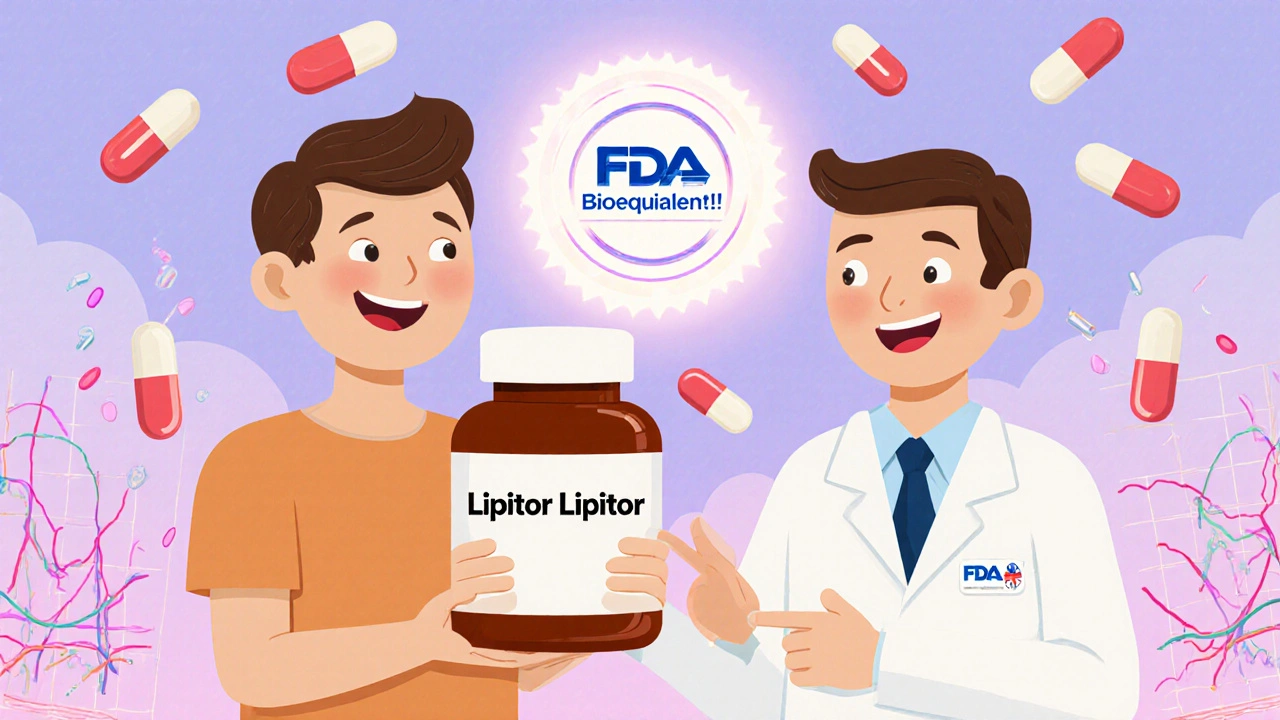
Learn how the FDA approves generic drugs, why they're safe and effective, and how they save patients money without sacrificing quality. A clear, patient-friendly guide to understanding generic medication approval.