
When you rely on insulin, a life-saving hormone used to manage blood sugar in people with diabetes. Also known as human insulin or insulin analogs, it’s not like other medications—heat, light, and time can break it down fast, even before the printed date. A vial of insulin you keep in the fridge might last months, but the one you carry in your pocket? It could lose potency in just 28 days. This isn’t a guess. The FDA and manufacturers agree: once opened, most insulins stop working as well after 4 to 6 weeks, no matter what the bottle says.
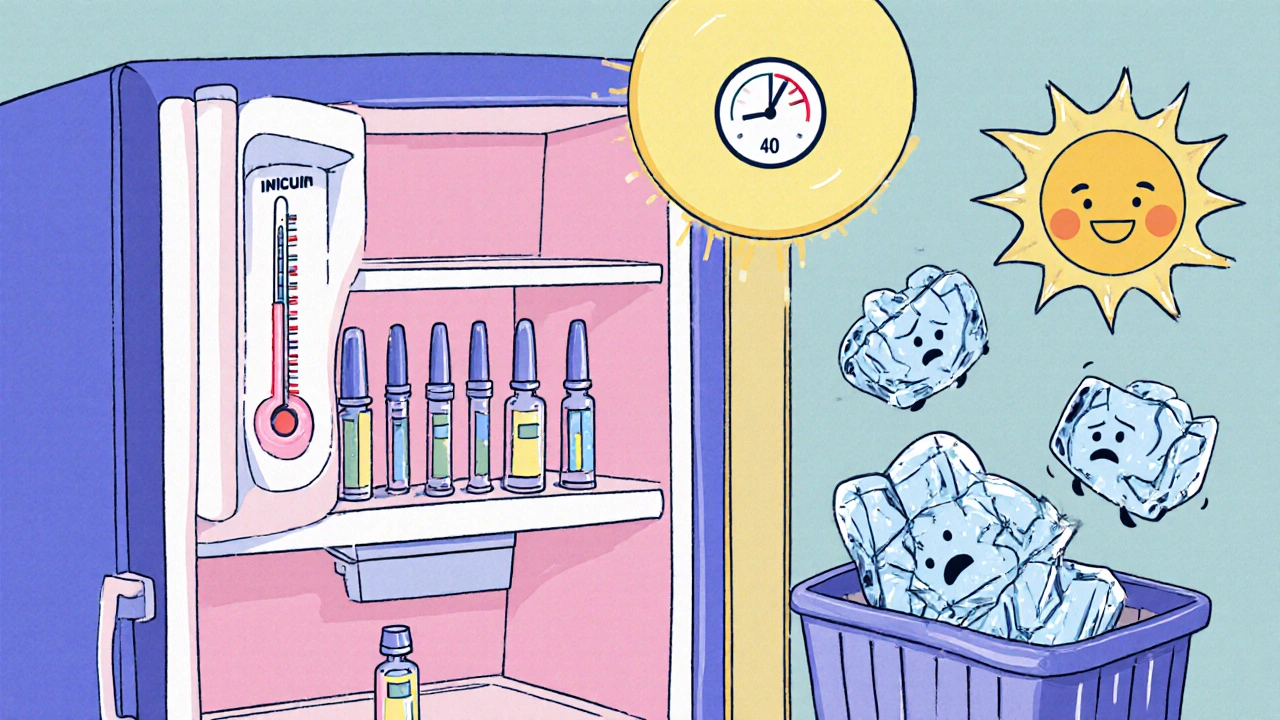
Storing insulin wrong is one of the most common mistakes people with diabetes make. Leaving it in a hot car, tossing it by the window, or keeping it in the freezer doesn’t just waste money—it puts your health at risk. insulin storage, the way insulin is kept before and after opening matters more than you think. Unopened insulin lasts until its printed expiration date if kept cold, but once you pierce the cap, it becomes sensitive. Temperature swings, even brief ones, can cause clumping or cloudiness. And if your insulin looks funny—frosted, grainy, or discolored—don’t use it. That’s not a warning label; that’s a red flag.
And then there’s the drug shortage, when supply chains fail and insulin becomes hard to find. In 2025, insulin shortages hit hard in the U.S. and Europe. People were rationing doses, skipping injections, or using expired pens. That’s not safe. But knowing your insulin’s real shelf life helps you plan. If you’re worried about running out, ask your pharmacy for backup options. Some insulins, like Humalog or NovoLog, are more stable at room temperature than others. And if you’re traveling, carry your insulin in a cooler pack—not in checked luggage.
It’s not just about dates. It’s about how your body reacts. If your blood sugar spikes for no reason, your insulin might be dead. No, it’s not your diet. No, it’s not stress. It could be your pen. Test your blood sugar more often if you suspect your insulin isn’t working. Keep a log. Talk to your doctor. Don’t assume the label is right. Manufacturers set expiration dates conservatively, but real-world use changes everything.
You’ll find posts here that dig into how to spot bad insulin, what to do when you can’t get your usual brand, and how to store it during travel or emergencies. You’ll also learn about alternatives during shortages, how to report unsafe products to the FDA, and what other patients are doing to stay safe. This isn’t theory. These are real stories from people who ran out, got sick, or almost lost control because they didn’t know their insulin had gone bad. The information here could save your life—or someone you care about.
Written by Mark O'Neill
Learn how to store insulin pens, vials, and supplies correctly to ensure effectiveness and safety. Avoid common mistakes that lead to wasted medication and dangerous blood sugar swings.