
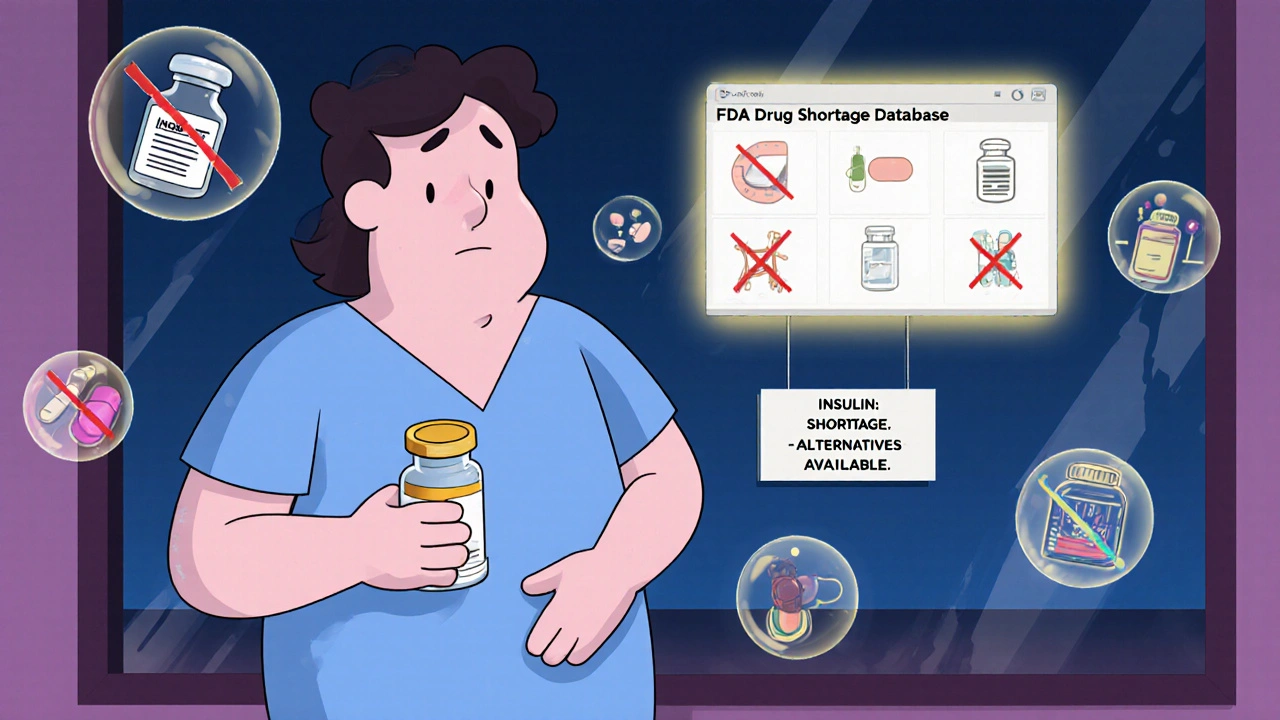
When you need insulin, a life-saving hormone used by people with diabetes to regulate blood sugar. Also known as human insulin, it’s not just a drug—it’s a daily necessity for over 10 million people in the U.S. alone. Right now, many are facing delays, rationing, or outright shortages. This isn’t a rumor. It’s a real, growing crisis tied to supply chain issues, manufacturing bottlenecks, and pricing pressures that have pushed some brands out of stock for weeks at a time.
When insulin runs low, people start skipping doses, splitting pens, or using expired vials—all dangerous moves. That’s why knowing how to store insulin pens, portable devices that deliver precise doses of insulin with a simple click and insulin vials, glass or plastic containers holding multiple doses, often used with syringes matters just as much as getting a refill. Heat, light, and freezing can ruin insulin fast. A pen left in a hot car or a vial stored past its 28-day window after opening can cause dangerous blood sugar spikes or crashes.
The shortage isn’t just about running out of a bottle. It’s about access, equity, and awareness. Some patients pay hundreds per month, and even small price hikes force impossible choices: food or insulin? Rent or refills? Meanwhile, manufacturers struggle to keep up with demand, especially for older, cheaper types like NPH or regular insulin, which many rely on because they’re more affordable. Biosimilars and generic versions are slowly entering the market, but they’re not yet widely available everywhere.
What can you do? First, don’t panic. Talk to your doctor about alternatives—maybe switching to a different type or delivery method could help stretch your supply. Second, learn how to store your insulin properly. Keep unopened pens and vials in the fridge. Once in use, most can stay at room temperature for up to 28 days. Never leave them in direct sunlight or in a freezing car. Third, report any shortages to the FDA through MedWatch. Your report helps track where gaps are and pushes agencies to act.
Below, you’ll find real, practical advice from people who’ve been there: how to stretch your insulin safely, what to do when your pharmacy says "out of stock," how to recognize when your insulin has gone bad, and why some people are turning to older, cheaper forms again. These aren’t theoretical tips. They’re survival strategies backed by patient experience and medical guidance. This isn’t about fear. It’s about staying in control when the system lets you down.
Written by Mark O'Neill
When your medication runs out during a shortage, knowing safe alternatives and how to find them can prevent health risks. Learn what works, what to avoid, and how to navigate insulin, antibiotic, and cancer drug shortages in 2025.