
When you rely on insulin vials, small glass or plastic containers holding concentrated insulin for injection. Also known as insulin ampoules, they’re one of the most critical tools for managing diabetes—especially for those with Type 1 or advanced Type 2. These aren’t just bottles; they’re your daily dose of control over blood sugar. But if you don’t handle them right, even the best insulin won’t work.
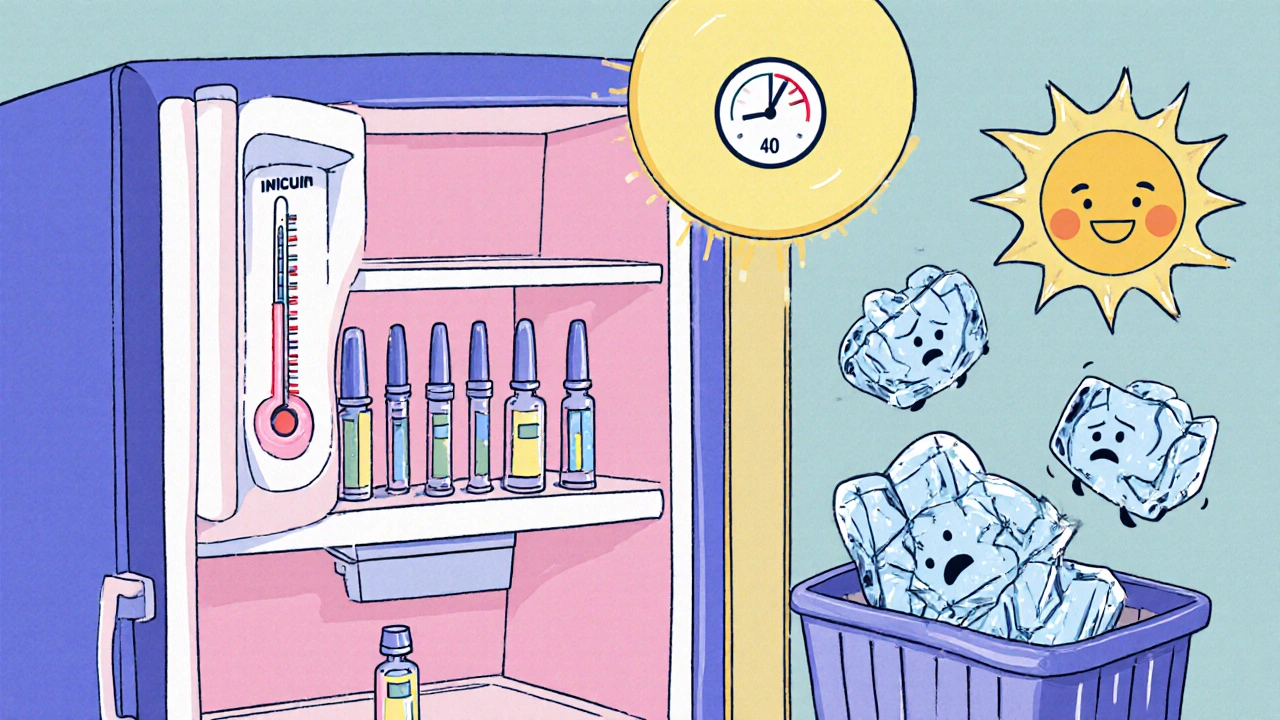
Insulin vials come in different strengths—most commonly U-100—and must be stored properly. Unopened ones go in the fridge until use. Once opened, most last 28 days at room temperature, but heat, sunlight, or shaking can ruin them. If your insulin looks cloudy, clumpy, or has particles, toss it. No exceptions. People often think it’s still fine because it’s not expired, but insulin degrades fast once exposed to warmth. And if you’re traveling or in a power outage? Keep vials in a cooler with a cold pack. Don’t freeze them. That’s a common mistake that breaks the insulin’s structure.
Insulin vials are also at the center of a growing problem: insulin shortage, periodic supply gaps that force patients to switch brands, doses, or delivery methods. These shortages aren’t rare—they’ve happened in 2023 and 2024, especially with popular types like Humulin and Novolin. When your usual vial isn’t available, you can’t just grab another. Different insulins have different onset and duration. Switching without guidance can lead to dangerous highs or lows. That’s why knowing your options matters. Some people switch to insulin pens, which are easier and less prone to waste. Others turn to biosimilars or generic versions that are just as effective but cheaper. And if you’re stuck without insulin? Contact your pharmacy, your doctor, or the FDA’s drug shortage hotline. Don’t skip doses. There are ways to bridge the gap.
Managing insulin vials also means tracking your insulin dosage, the precise amount you inject based on your blood sugar, food intake, and activity level. It’s not just about how much you use—it’s about when and why. Many people use vials with syringes and manually calculate doses. Others use insulin pumps, but even then, vials are often the source of the insulin. Getting the dose wrong by even a few units can throw off your whole day. That’s why keeping a log—paper or app—isn’t optional. It helps you and your doctor spot patterns and adjust before something goes wrong.
And let’s not forget the human side. Using vials can feel old-school compared to pens or pumps. But they’re still the most affordable option for many. They’re also the only choice if you’re on Medicaid, Medicare, or live where newer devices aren’t covered. If you’ve been using vials for years, you know the routine. But if you’re new to them, it’s okay to feel overwhelmed. Ask your pharmacist to show you how to draw the right amount. Watch a video from a diabetes educator. Practice with water first. You’re not alone in this.
Below, you’ll find real stories and practical guides from people who’ve faced insulin shortages, figured out storage hacks, switched brands safely, and learned how to stretch their supply without risking their health. Whether you’re managing diabetes yourself or helping someone who does, these posts give you the tools to stay in control—even when things get tough.
Written by Mark O'Neill
Learn how to store insulin pens, vials, and supplies correctly to ensure effectiveness and safety. Avoid common mistakes that lead to wasted medication and dangerous blood sugar swings.