
When chronic pain won’t quit, interventional pain management, a set of minimally invasive medical procedures designed to target pain at its source. Also known as pain medicine interventions, it’s not about waiting for pills to work—it’s about stopping pain where it starts. Unlike opioids that mask symptoms, these methods block signals, reduce inflammation, or reset nerve behavior. Think of it like fixing a faulty wire instead of turning off the lights.
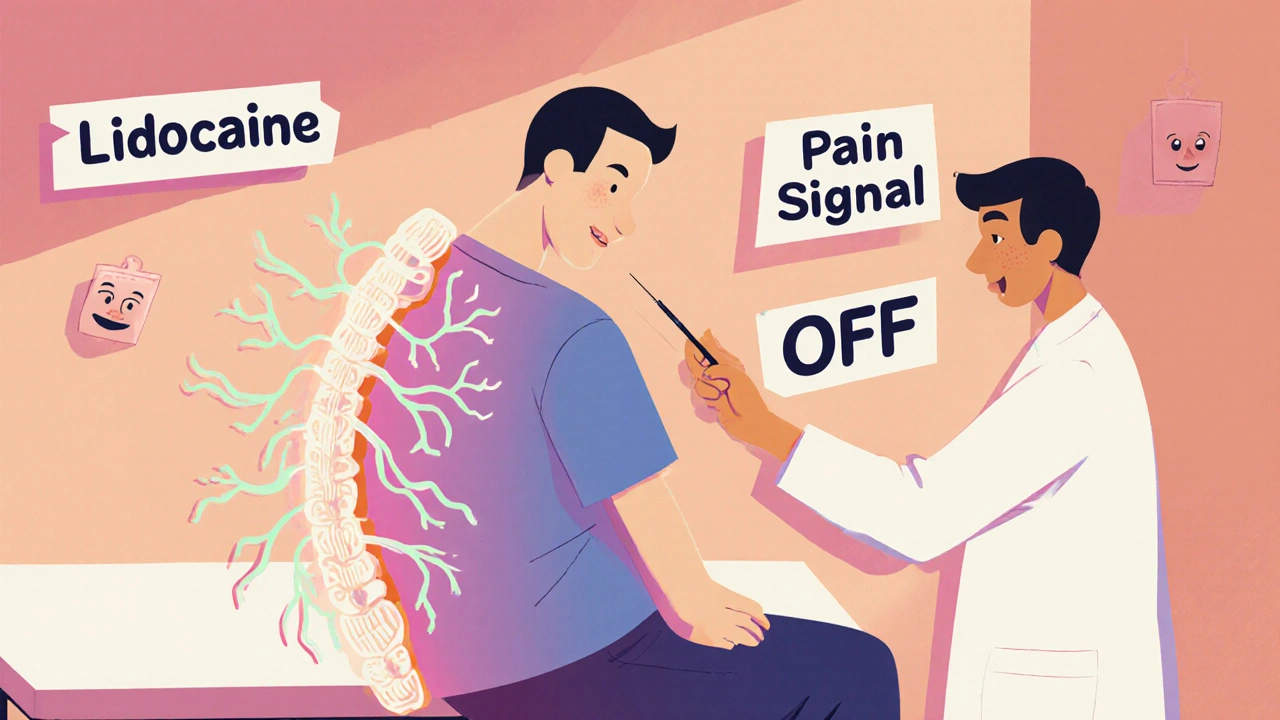
This approach isn’t one-size-fits-all. It includes nerve blocks, injections that numb specific nerves causing pain, often used for back, neck, or joint issues, and epidural injections, delivering anti-inflammatory meds directly into the space around the spinal cord. For people with long-term nerve pain, spinal cord stimulation, a small device that sends mild electrical pulses to interrupt pain signals can cut discomfort by half or more. These aren’t experimental—they’re standard tools used daily in clinics across the U.S. and Europe, backed by years of clinical data.
What makes interventional pain management different? It’s precision. You don’t swallow a pill and hope it reaches the right spot. Instead, doctors use imaging—like ultrasound or X-ray—to guide a needle exactly where it needs to go. That means fewer side effects, faster results, and less risk than major surgery. It’s especially helpful for people with chronic back pain, sciatica, arthritis, or nerve damage from diabetes or shingles. And because it’s targeted, you can often reduce or even stop relying on painkillers that come with drowsiness, addiction risk, or liver damage.
It’s not magic, though. Success depends on getting the right diagnosis first. Not every backache needs a nerve block. Some pain comes from muscle strain, others from spinal stenosis or disc problems. That’s why the best results come from teams that include pain specialists, physical therapists, and sometimes psychologists. You’re not just treating a symptom—you’re rebuilding how your body handles pain.
The posts below show real-world examples of how people use these tools. You’ll find guides on how medications interact with pain procedures, what to expect during recovery, and how to spot when a treatment isn’t working. There’s also info on managing side effects, tracking progress, and knowing when to ask for a second opinion. Whether you’re considering a nerve block, dealing with failed back surgery, or just tired of popping pills, these stories give you the facts—not the fluff.
Written by Mark O'Neill
Nerve blocks and radiofrequency ablation (RFA) offer targeted, minimally invasive relief for chronic pain. Learn how they work, how long results last, and who benefits most from each procedure.