
When your liver failure, a life-threatening condition where the liver stops functioning properly and can no longer process toxins, make proteins, or regulate blood sugar. Also known as hepatic failure, it doesn’t happen overnight—it’s often the end result of long-term damage from alcohol, viruses, or fatty liver disease. This isn’t just about feeling tired. Your liver handles over 500 functions, from cleaning your blood to producing clotting factors. When it fails, everything else starts to break down.
Cirrhosis, a late-stage scarring of the liver caused by chronic injury is the most common path to liver failure. It’s what happens after years of heavy drinking, untreated hepatitis B or C, or uncontrolled fatty liver disease. Hepatic encephalopathy, a brain disorder caused by toxin buildup when the liver can’t filter them can lead to confusion, slurred speech, or even coma. And liver transplant, the only cure for end-stage liver failure is often the last option—but only if you’re healthy enough for surgery and can find a match.
Many of the posts here connect directly to liver failure, even if they don’t say it outright. For example, clindamycin and other antibiotics can stress an already weakened liver. Digoxin, used for heart conditions, needs careful dosing when liver function is poor because the body can’t break it down properly. Even something like alcohol-related liver damage ties into how medications like clozapine behave in smokers—the same enzyme systems get overloaded. You’ll find posts on drug interactions, side effect reporting, and how chronic conditions like diabetes or obesity quietly damage the liver over time.
What you won’t find here are vague warnings or scare tactics. Instead, you’ll get clear, practical info: how to spot early signs like yellow skin or swelling in the legs, why some meds need to be avoided, and how to talk to your doctor about liver tests. If you’re caring for someone with liver disease, or if you’ve been told your liver enzymes are high, this collection gives you real tools—not just theory.
Written by Mark O'Neill
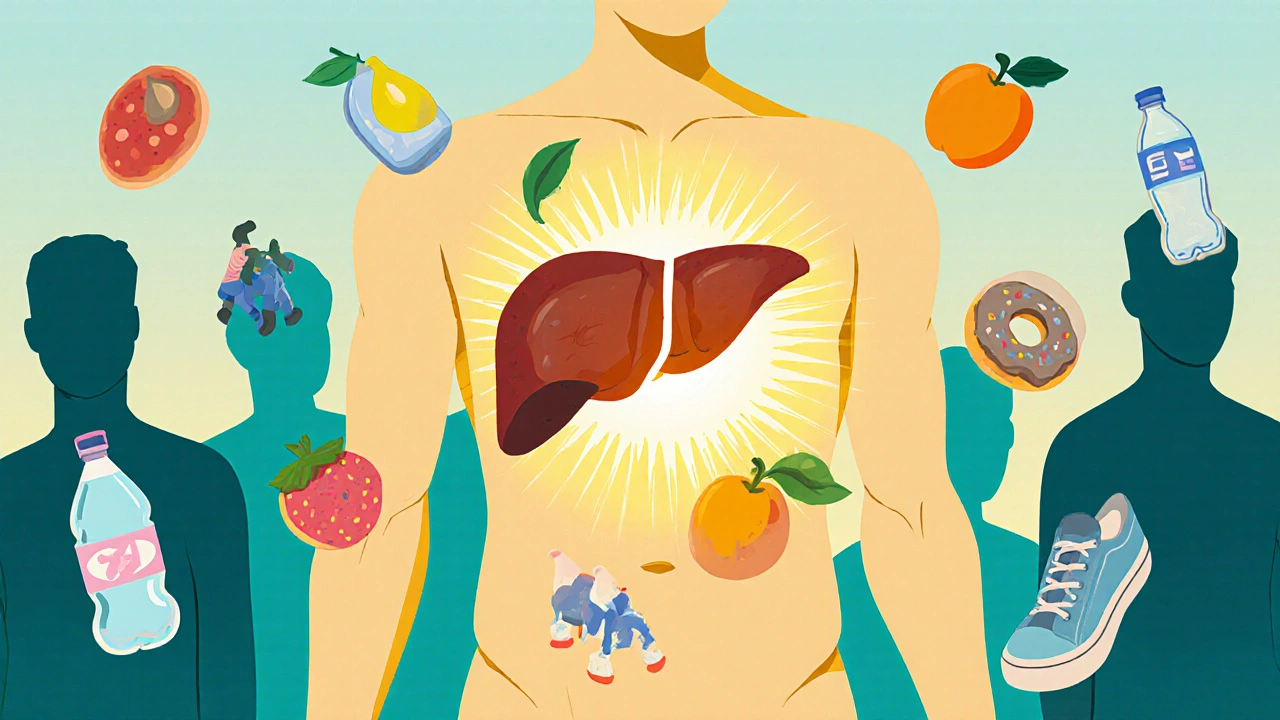
Early detection of liver failure can prevent life-threatening damage. Learn the hidden signs, who should get tested, and simple steps to protect your liver before it's too late.