
When you pick up a prescription, the little number on the bottle isn’t just random—it’s your NDC code, a unique 10-digit identifier assigned by the FDA to every drug product sold in the United States. Also known as National Drug Code, it’s the barcode that tells pharmacists exactly which drug, strength, and package size you’re getting. Without it, mixing up pills, tracking recalls, or billing insurance would be chaos.
NDC codes are built from three parts: the first section identifies the manufacturer, the second the drug itself, and the third the package size. That means two different bottle sizes of the same pill? They have different NDCs. A 30-tablet bottle of lisinopril 10mg? One code. A 90-tablet bottle? Another. This level of detail isn’t overkill—it’s critical for safety. When a drug gets pulled because of contamination or mislabeling, the FDA uses NDC codes to target the exact batches, not every version of the drug. Pharmacies rely on them to prevent errors when switching generics or restocking. Even your insurance uses NDC codes to decide what to pay for.
You’ll also see NDC codes tied to drug shortages, when manufacturers can’t keep up with demand. During an insulin shortage, pharmacists cross-reference NDCs to find equivalent products that match your prescription. Same with antibiotics or cancer drugs—without the right NDC, you risk getting the wrong strength or formulation. That’s why reporting a medication error to the FDA MedWatch, the system that collects adverse reaction reports always includes the NDC. Your report helps flag dangerous mix-ups before they hurt someone else.
And it’s not just about prescriptions. Over-the-counter meds, supplements sold as drugs, and even some medical devices carry NDCs. If you’re tracking your own meds or helping an aging parent manage a pillbox, knowing how to read the NDC helps you spot duplicates or changes your doctor didn’t mention. It’s the invisible system keeping your medicine safe—and it’s always there, even when you don’t notice it.
Below, you’ll find real-world stories and guides that show how NDC codes connect to everything from insulin storage to drug shortages, side effect reports, and generic drug trends. These aren’t technical manuals—they’re practical insights from people who’ve been there. Whether you’re a patient, caregiver, or just trying to understand your meds better, this collection gives you the tools to ask the right questions and stay in control.
Written by Mark O'Neill
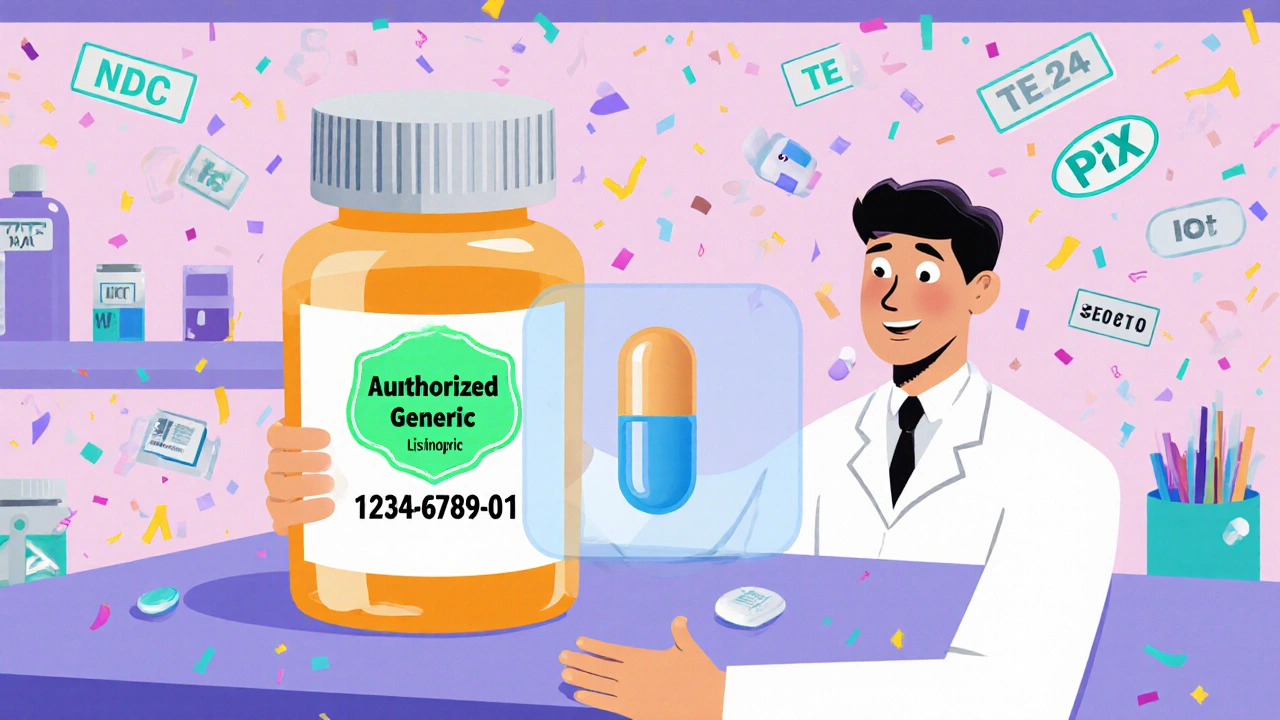
Learn how pharmacy systems correctly identify generic and brand drugs using NDC and TE codes, avoid substitution errors, and ensure patient safety with best practices backed by FDA guidelines and real-world data.