
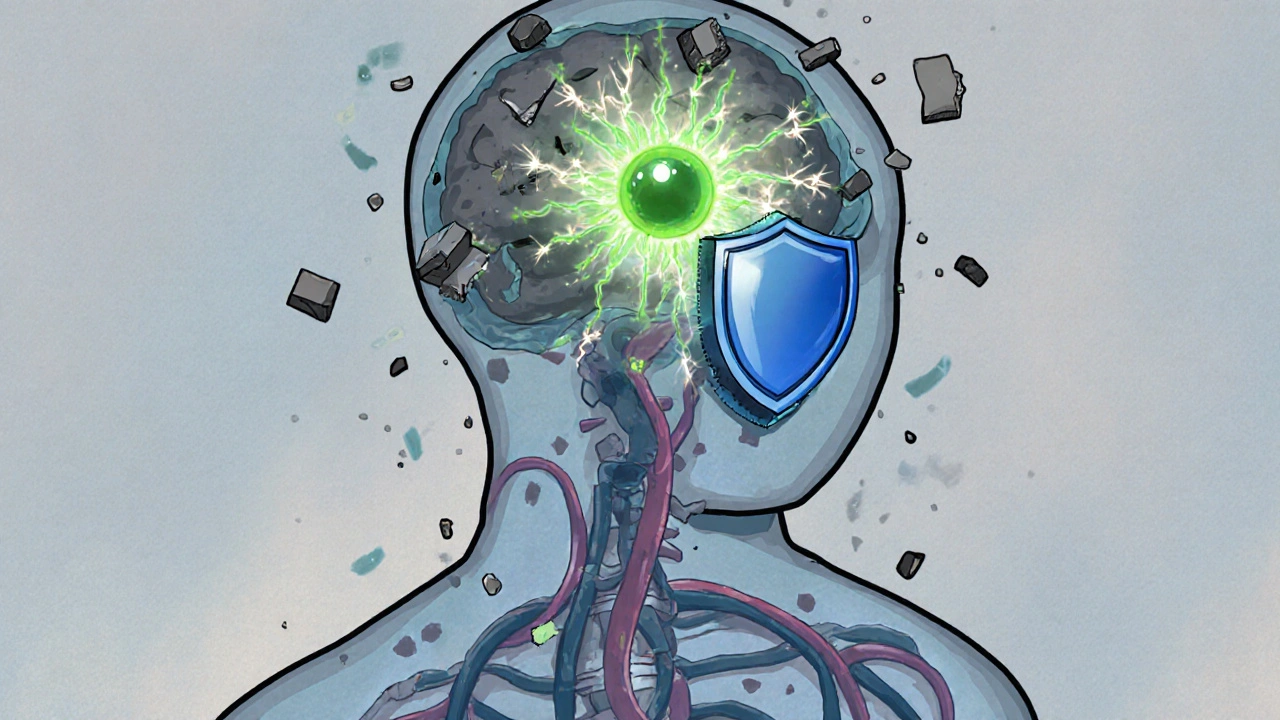
When we talk about neurodegeneration, the progressive loss of structure or function of neurons, including death of neurons. Also known as neuronal degeneration, it’s not just about getting older—it’s when the brain’s wiring starts to unravel on its own, leading to conditions like Alzheimer’s and Parkinson’s. Unlike normal aging, where you might forget where you put your keys, neurodegeneration means the brain can no longer hold onto memories, control movement, or even regulate basic functions like swallowing or breathing.
This isn’t one disease. It’s a group of conditions that share one thing: brain cells die off faster than they should. Alzheimer’s, a type of neurodegeneration that primarily affects memory and thinking is the most common, but Parkinson’s, a neurodegenerative disorder that impacts movement and motor control is just as real. Then there’s ALS, Huntington’s, and others—each with different symptoms but the same root problem: neurons breaking down. And while we don’t have a cure yet, we’re learning more every day about what triggers it and how to slow it.
What causes this breakdown? It’s not just one thing. Genetics play a role, but so do lifestyle choices—poor sleep, chronic inflammation, lack of movement, and even long-term stress. Some studies point to toxins, head injuries, or even gut health as contributing factors. The good news? Things that help your heart—like eating whole foods, staying active, and managing blood pressure—also help your brain. And while supplements like omega-3s or progesterone are being studied for their neuroprotective, ability to shield nerve cells from damage effects, the strongest evidence still points to real, daily habits over pills.
You’ll find posts here that dig into how medications like digoxin or hydrocortisone are being studied for brain-related effects, how diet changes can influence inflammation linked to brain decline, and how tools like physical therapy or yoga might help manage symptoms. This isn’t about miracle cures. It’s about understanding what’s happening inside the brain, what’s being done to stop it, and what you can actually do today to protect what matters most.
Written by Mark O'Neill
Riluzole is the first and still one of the only drugs proven to slow ALS progression. Though it only extends life by a few months, it remains the cornerstone of treatment for most patients worldwide.