
When you hear radiofrequency ablation, a medical procedure that uses heat generated by radio waves to destroy abnormal tissue. Also known as RFA, it's not surgery, but it can stop problems before they get worse. Think of it like using a tiny, precise heater to shut down trouble spots in your body — whether it's a patch of damaged esophagus, a nerve causing chronic pain, or an irregular heartbeat.
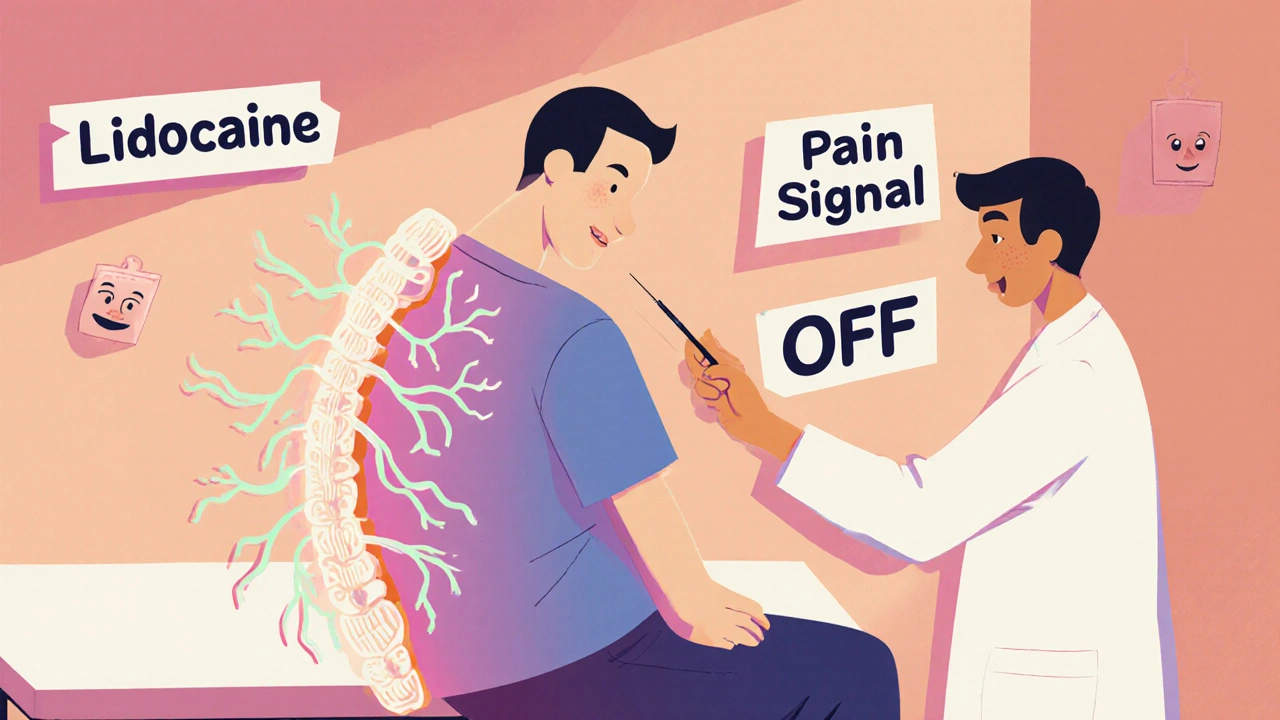
It’s not just one trick. RFA treatment, a targeted therapy often used when medications aren’t enough or side effects are too much shows up in different parts of the body for different reasons. For people with Barrett's esophagus, a condition where stomach acid damages the lining of the esophagus and raises cancer risk, RFA burns away the unhealthy cells so healthy tissue can grow back. For others with chronic pain, long-lasting discomfort from nerves or joints that don’t respond to pills or physical therapy, it blocks pain signals by heating up the nerve endings. And yes — it’s also used in heart rhythm problems, liver tumors, and even some types of back pain.
What makes RFA stand out? It’s quick, usually done as an outpatient, and most people go home the same day. No big cuts, no long recovery. But it’s not magic — it works best when the problem is localized. If the damage is spread out, or if the tissue is too deep, other options like surgery or cryoablation might be better. That’s why knowing your exact diagnosis matters. The posts below show real cases: how RFA helped people with Barrett’s esophagus avoid cancer, how it eased back pain without opioids, and why some patients need follow-up treatments. You’ll also see how it compares to other ablation methods, what to expect during recovery, and when it’s not the right choice. This isn’t theory — it’s what people are actually using to get their lives back.
Written by Mark O'Neill
Nerve blocks and radiofrequency ablation (RFA) offer targeted, minimally invasive relief for chronic pain. Learn how they work, how long results last, and who benefits most from each procedure.