
When RFA, Radiofrequency Ablation, a minimally invasive procedure that uses heat to remove abnormal tissue in the esophagus. Also known as radiofrequency ablation, it’s one of the most effective ways to stop Barrett’s esophagus from turning into cancer. It’s not a surgery. No cuts. No long hospital stays. Just a tiny probe, guided by an endoscope, that delivers controlled heat to destroy damaged cells—while leaving healthy tissue untouched.
RFA is used almost exclusively for patients with Barrett’s esophagus, a condition where the lining of the esophagus changes due to long-term acid reflux, increasing cancer risk. Not everyone with Barrett’s needs RFA. Only those with dysplasia, abnormal cell growth that’s a clear warning sign of early cancer—especially high-grade dysplasia—are strong candidates. Studies show RFA reduces cancer risk by over 90% in these cases. That’s not a guess. That’s data from real-world use in hospitals across the U.S. and Europe.
It’s not magic. RFA doesn’t fix acid reflux. You still need to manage that—with diet, meds like PPIs, and lifestyle changes. But RFA removes the dangerous tissue that could become cancer. Think of it like pulling a weed before it spreads roots. After treatment, your body grows back normal esophagus lining. Follow-up scopes are needed to make sure it sticks. Some people need more than one session. But most walk out with a much lower risk of needing chemotherapy or surgery later.
What makes RFA stand out? It’s precise. It’s fast. Most patients go home the same day. Side effects? Mild chest discomfort or sore throat, usually gone in a few days. Compare that to removing part of the esophagus. RFA is the middle ground between doing nothing and major surgery—and it’s the standard of care for a reason.
You’ll find real stories here: how people went from fearing cancer to feeling in control. How RFA changed their follow-up scans from terrifying to routine. How combining it with smart diet choices made all the difference. These aren’t theory pieces. They’re experiences from people who lived it.
Whether you’re newly diagnosed, just heard the word RFA from your doctor, or are researching options after a dysplasia result—this collection gives you the facts without the fluff. No marketing. No jargon. Just what works, what to ask, and what to expect next.
Written by Mark O'Neill
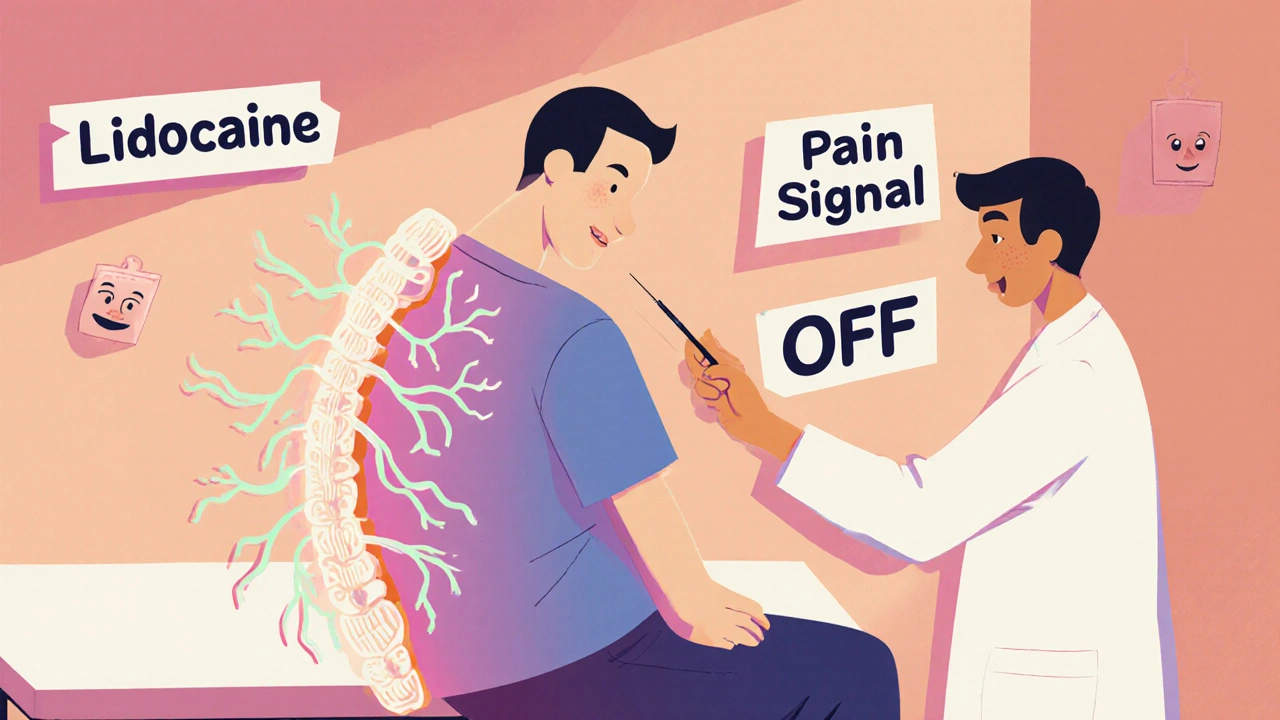
Nerve blocks and radiofrequency ablation (RFA) offer targeted, minimally invasive relief for chronic pain. Learn how they work, how long results last, and who benefits most from each procedure.