
When your body can’t use insulin properly, SGLT2 inhibitors, a class of oral diabetes medications that lower blood sugar by making the kidneys remove excess glucose through urine. Also known as gliflozins, they’re not just sugar-lowers—they’re heart and kidney protectors too. Unlike older diabetes drugs that push your pancreas to make more insulin or make your body more sensitive to it, SGLT2 inhibitors take a different path: they let your kidneys do the work. Every time you pee, you’re losing a little extra sugar—no insulin needed.
This matters because people with type 2 diabetes often have high blood sugar for years before they even know it. By the time they’re diagnosed, their heart and kidneys may already be under stress. That’s why SGLT2 inhibitors like empagliflozin, a specific SGLT2 inhibitor proven in large studies to reduce heart failure hospitalizations and slow kidney decline in diabetic patients, have become go-to options. dapagliflozin, another SGLT2 inhibitor, shows similar benefits for heart and kidney outcomes, even in people without diabetes but with heart failure. And canagliflozin, the first of its kind approved, helped shift how doctors think about diabetes treatment—from just controlling sugar to protecting whole-body health. These aren’t just pills. They’re tools that change long-term outcomes.
They’re not perfect. You might get more yeast infections or need to drink more water to avoid dehydration. Some people feel lightheaded at first, especially if they’re also on blood pressure meds. But for many, the trade-off is worth it: better blood sugar control, weight loss, and lower risk of hospital visits for heart or kidney problems. You’ll find posts here that explain how these drugs interact with other meds, what to do if you miss a dose, and how they stack up against older options like metformin or insulin. You’ll also see how they fit into real-life routines—for athletes, older adults, or people managing multiple conditions. What you won’t find is fluff. Just clear, practical info on how these drugs really work, who they help most, and what to watch for.
Written by Mark O'Neill
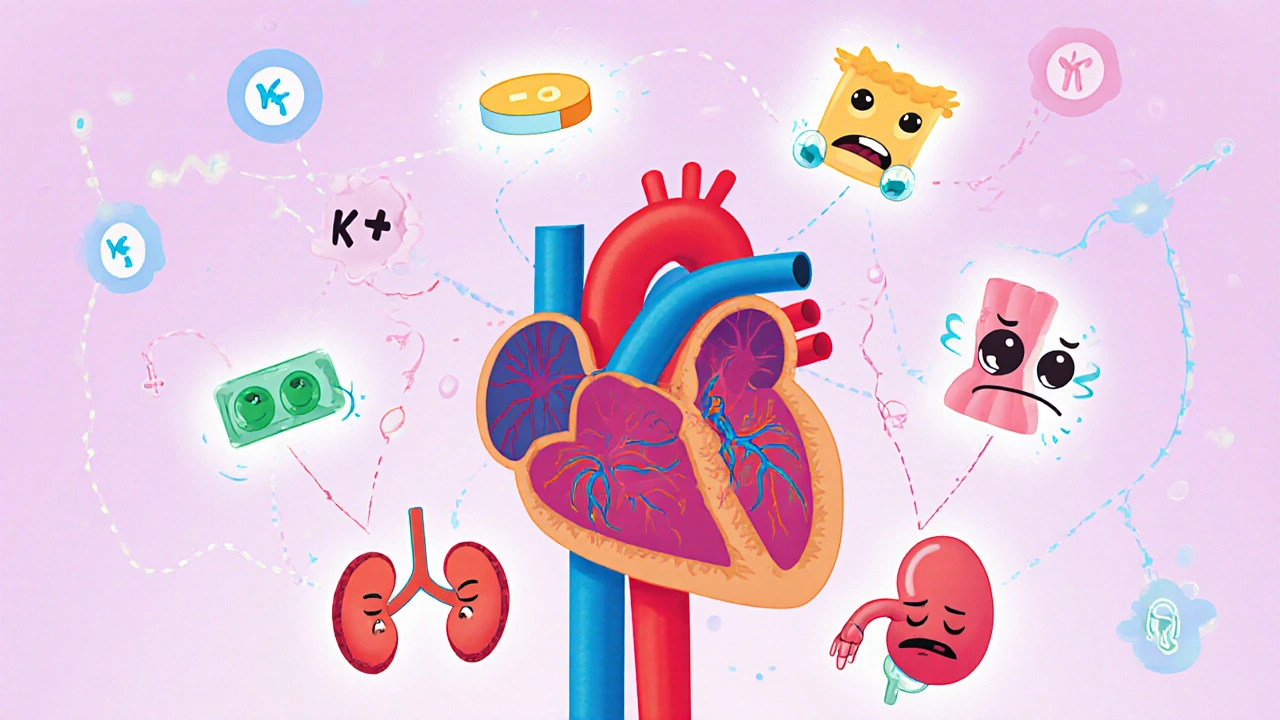
Heart failure medications save lives-but only if monitored correctly. Learn why potassium checks, dose titration, and special population risks matter more than ever with today's four-pillar treatment approach.