
When you have a rash, a sore joint, or burning nerve pain, you don’t always need to swallow a pill. Topical treatments, medications applied directly to the skin to treat local conditions without affecting the whole body. Also known as external therapies, they’re designed to target trouble spots—like inflamed skin, achy muscles, or irritated nerves—without the side effects of oral drugs. This is why so many people reach for creams, gels, patches, or lotions before grabbing a bottle of pills.
They work because they skip the digestive system and go straight to the problem. For example, hydrocortisone, a mild corticosteroid used to reduce skin inflammation and itching is a go-to for eczema flare-ups or bug bites. It doesn’t just cover up the itch—it calms the immune response right where it’s happening. Then there’s second-generation antihistamines, non-drowsy allergy medications that can also come in topical form to block histamine at the skin level, helping with hives or contact dermatitis without making you sleepy. And if you’re dealing with nerve pain like postherpetic neuralgia, topical lidocaine patches or capsaicin creams can quiet down misfiring nerves without touching your stomach or liver.
Not all topical treatments are created equal. Some are available over the counter, like hydrocortisone or menthol rubs. Others, like stronger corticosteroids or compounded gels, need a prescription. And while they’re convenient, they’re not magic. Using too much hydrocortisone can thin your skin. Antihistamine creams can sometimes make irritation worse if the cause isn’t allergic. And if your pain doesn’t improve in a week or two, it’s not the treatment that’s broken—it’s the diagnosis. That’s why the best topical solutions are used with clear goals: reduce swelling, ease itching, block pain signals, or prevent infection.
What you’ll find in the posts below are real-world comparisons and practical guides on how these treatments actually perform. From how hydrocortisone stacks up against NSAIDs for post-surgery swelling, to why certain antihistamines work better on skin than others, to how omega-3s calm irritated skin from the inside out—these aren’t theory pieces. They’re based on what patients and doctors see in practice. Whether you’re managing a chronic skin condition, recovering from surgery, or just tired of relying on pills for every little ache, this collection gives you the facts you need to make smarter choices—without the hype.
Written by Mark O'Neill
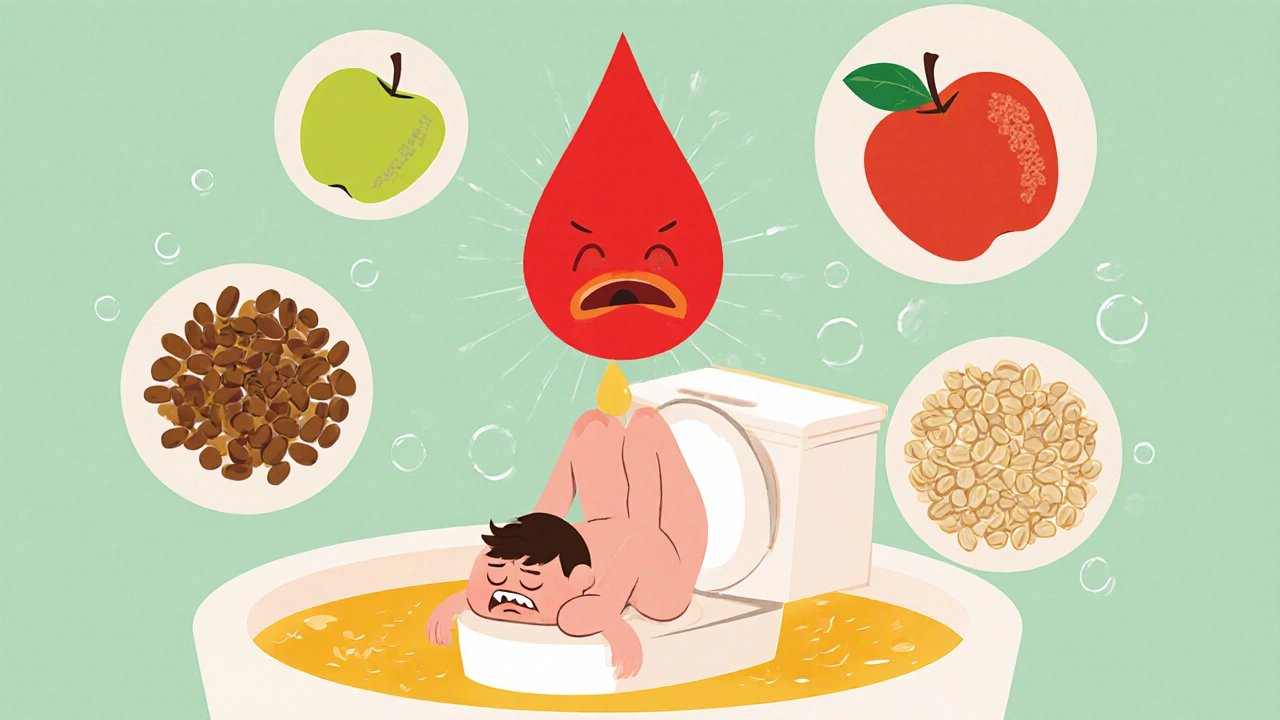
Anal fissures cause sharp pain during bowel movements but often heal with diet and simple home care. Learn what triggers them, how to treat them with proven methods, and when to see a doctor.