
When you hear biosimilars, highly similar versions of complex biologic drugs made after the original patent expires. Also known as biologic generics, they offer the same clinical benefits as the original but at a fraction of the cost. Unlike regular generic pills, biosimilars aren’t exact copies—they’re made from living cells, so tiny differences are normal. But they’re rigorously tested to prove they work just as well and are just as safe. The FDA and other global health agencies require them to match the original biologic in how they treat conditions like rheumatoid arthritis, Crohn’s disease, and certain cancers.
Biologic drugs, the originals these biosimilars copy, are made from proteins grown in living systems. They’re expensive because producing them is complex, requiring special labs and strict controls. That’s why many patients can’t afford them. biologic drugs, targeted therapies made from living organisms to treat chronic and serious diseases include drugs like Humira, Enbrel, and Remicade. Biosimilars like Adalimumab-atto or Infliximab-dyyb are designed to behave the same way in your body, with the same side effect profile and effectiveness. This isn’t theory—it’s real-world practice. In Europe, biosimilars have cut costs by up to 70%, letting more people get the treatment they need.
It’s not just about money. medication safety, the practice of ensuring drugs are used correctly and without harm is a big part of the biosimilar story. When a patient switches from a brand-name biologic to a biosimilar, doctors monitor closely—just like they would with any new medication. But studies show no increase in adverse events. In fact, more access means fewer people skip doses or skip treatment entirely because of cost. That’s a win for health outcomes.
You’ll find posts here that dig into real cases: how biosimilars affect dosing in autoimmune conditions, how they stack up against originals in long-term use, and how patients report side effects after switching. Some posts even talk about how insurance companies handle coverage, and what to ask your doctor if you’re being offered a biosimilar instead of the brand name. There’s no hype here—just clear, practical info on how these drugs are changing treatment for millions.
If you’re managing a chronic condition, or helping someone who is, knowing about biosimilars could mean better care and lower bills. This collection gives you the facts you need to understand what they are, how they’re different from generics, and why they’re not a compromise—they’re a smart, science-backed option.
Written by Mark O'Neill
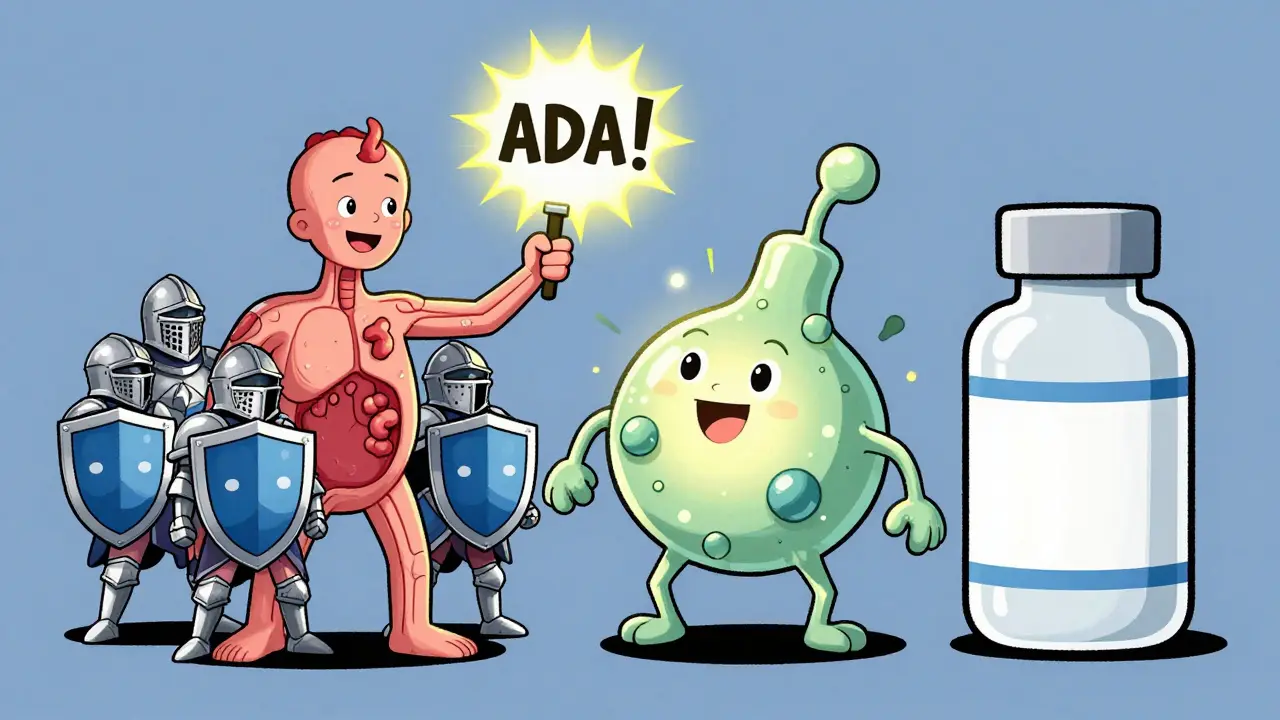
Biosimilars aren't just cheap copies of biologics-they're complex proteins made in living cells, and tiny manufacturing differences can trigger immune responses. Learn why some patients develop antibodies and what it really means for safety and effectiveness.
Written by Mark O'Neill
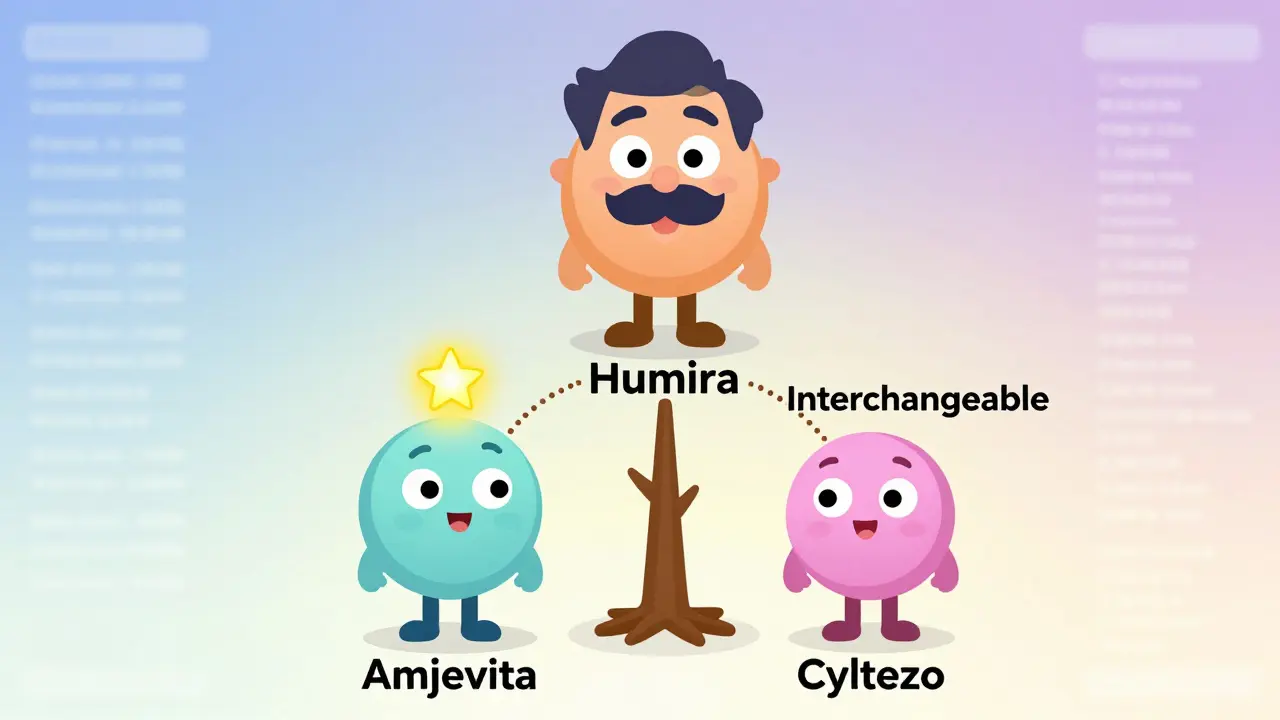
The FDA's Purple Book is the official guide to biosimilars and interchangeable biologics in the U.S. Learn how it works, who can substitute these drugs, and why the distinction matters for cost and care.
Written by Mark O'Neill
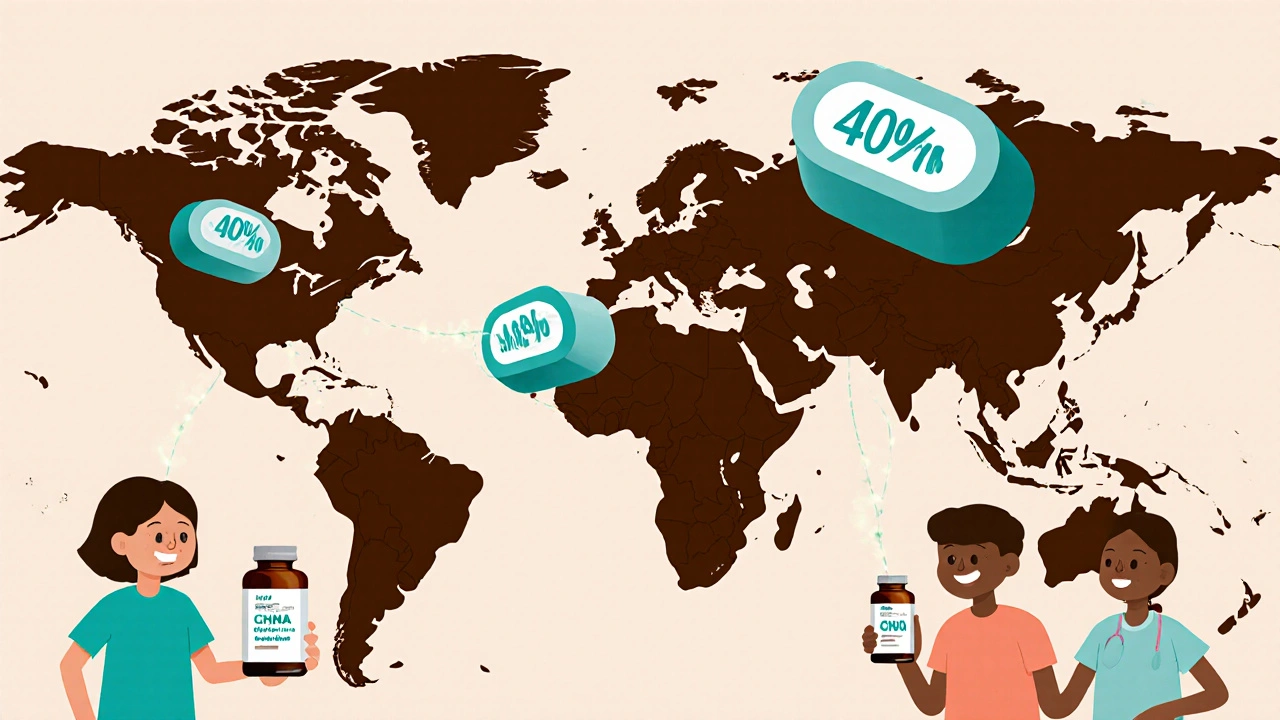
The global generic drug market is growing rapidly, driven by cost pressures and chronic disease trends. Learn how biosimilars, Asia's manufacturing dominance, and regulatory shifts are reshaping affordable healthcare through 2030.