
When you're on a blood thinner, a medication that reduces your blood's ability to form clots to prevent strokes, heart attacks, or dangerous clots in the legs or lungs. Also known as anticoagulant, it's one of the most common yet dangerous drugs people take long-term. It's not just about remembering to take it. The real risk comes from what you mix it with, how your body changes over time, and whether you're being monitored properly.
Drug interactions, when another medication, food, or supplement changes how a blood thinner works in your body are the #1 cause of serious bleeding events. Things like clindamycin phosphate, NSAIDs, even some herbal supplements can turn a safe dose into a life-threatening one. And it's not just pills—certain foods high in vitamin K, like kale or spinach, can make warfarin less effective, while others can boost its effect without you knowing. Your body's ability to process these drugs also shifts with age, kidney function, or even smoking, which is why one size doesn't fit all.
Medication monitoring, regular blood tests and symptom checks to make sure your blood thinner is working at the right level isn't optional. For some, it's weekly INR checks. For others, it's watching for signs like unusual bruising, blood in urine, or headaches that won't quit. The FDA and global health agencies stress that patient reports of side effects are critical—because many reactions don’t show up in clinical trials. If you’ve ever been told to "just keep taking it" without follow-up, that’s not safety. That’s risk.
What you’ll find in the posts below isn’t theory. It’s real-world guidance from people who’ve seen the fallout when blood thinner safety gets ignored. You’ll learn how antibiotics like clindamycin can throw off your levels, why older adults are at higher risk for bleeding, and how to spot the early warning signs before it’s too late. These aren’t generic warnings—they’re the details that matter when your life depends on getting it right.
Written by Mark O'Neill
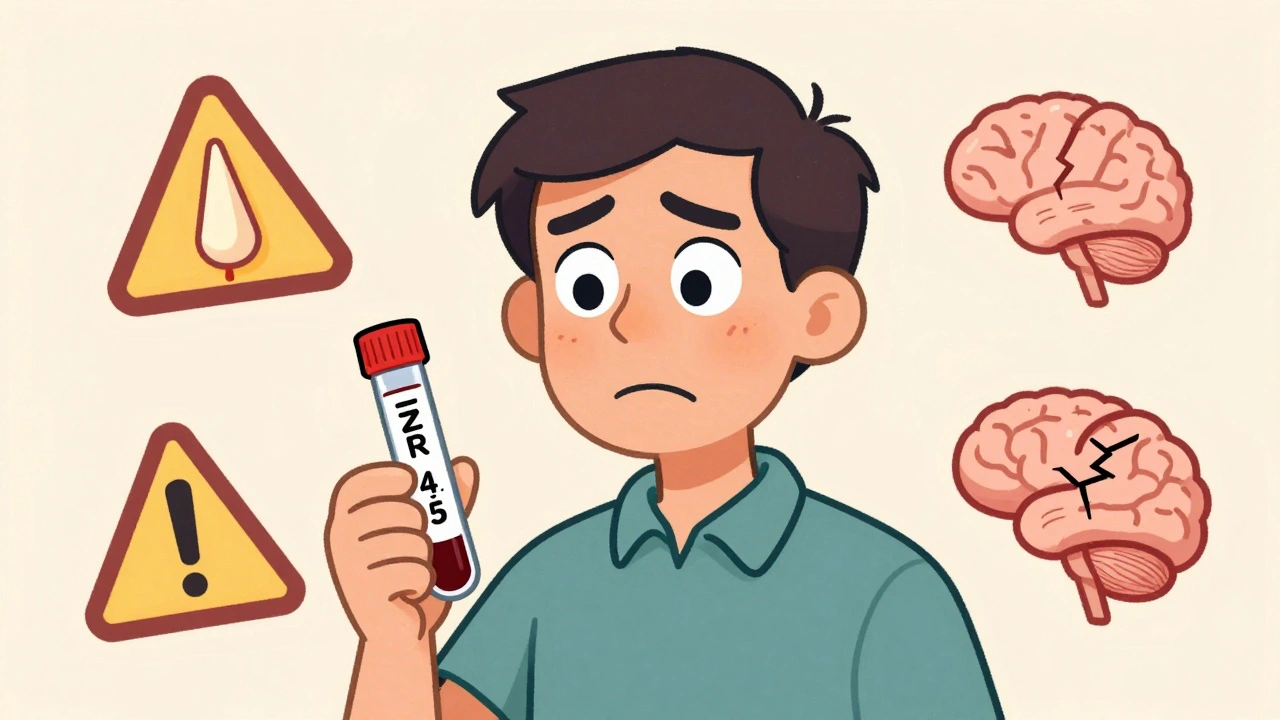
Warfarin is a powerful blood thinner that saves lives-but it carries serious bleeding risks. Learn the warning signs, how to reduce your risk, and what to do in an emergency.