
When your kidneys can’t filter waste anymore, dialysis, a medical treatment that removes waste and extra fluid from the blood when kidneys fail. Also known as kidney replacement therapy, it’s not a cure—but it keeps people alive and functioning while they wait for a transplant or manage long-term kidney disease. About 1 in 10 adults in the U.S. has some level of kidney damage, and for many, dialysis becomes a necessary part of daily life.
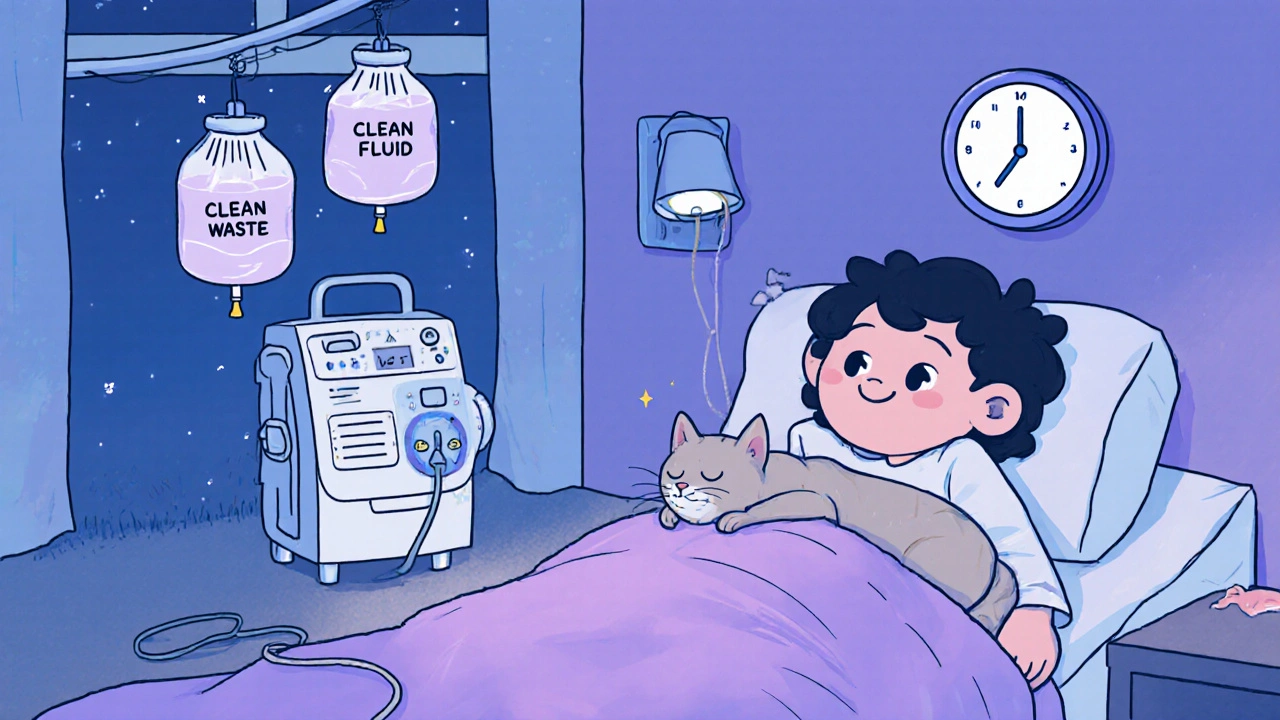
There are two main types of dialysis: hemodialysis, a process where blood is filtered outside the body using a machine, and peritoneal dialysis, a method that uses the lining of your abdomen to filter blood inside your body. Hemodialysis usually happens three times a week at a clinic, taking about 3–5 hours each session. Peritoneal dialysis can be done at home, often overnight, using a catheter and dialysis fluid. One isn’t better than the other—it’s about what fits your lifestyle, health, and personal preferences. Some people prefer the routine of clinic visits; others want the freedom of home treatment.
Both types require careful management. You’ll need to watch your fluid intake, limit salt and potassium, and take medications to control blood pressure and anemia. People on dialysis often deal with fatigue, muscle cramps, or low blood pressure during sessions—these aren’t normal, and they shouldn’t be ignored. If you’re on dialysis, your care team should adjust your treatment plan if side effects become too much. It’s also important to know that dialysis doesn’t fix everything. It replaces some kidney function, but not all. That’s why many people on dialysis still need other medications, like those for heart failure or diabetes, and why regular check-ups matter.
There’s a lot of misinformation out there. Some think dialysis means you’re done living fully—but that’s not true. Many people on dialysis work, travel, and spend time with family. Others choose to stop treatment, and that’s a personal decision too, made with doctors and loved ones. What matters is knowing your options before you start. Whether you’re newly diagnosed or helping someone who is, understanding how each dialysis method works, what the daily life looks like, and what risks to watch for can make a real difference.
The posts below cover real-world details you won’t always hear from a doctor: how to manage side effects, what to do during drug shortages if you’re on dialysis meds, how to spot signs of infection with a catheter, and how to talk to your care team about treatment changes. You’ll find practical advice on medication safety, monitoring your health at home, and navigating the system so you’re not left guessing.
Written by Mark O'Neill
Learn how hemodialysis and peritoneal dialysis work, their pros and cons, and which one may be right for you based on lifestyle, health, and long-term outcomes. No fluff, just clear facts.