
When your kidneys fail and reach end-stage renal disease, the final stage of chronic kidney disease where dialysis or transplant becomes necessary. Also known as ESRD, it’s not just a diagnosis—it’s a daily reality that changes how your body handles medicine, fluids, and waste. This isn’t a condition you can ignore. Left unmanaged, it leads to dangerous buildup of toxins, fluid overload, and heart strain. But with the right dialysis, a life-sustaining treatment that filters blood when kidneys can’t and careful medication management, the careful adjustment of drugs to avoid toxicity in patients with reduced kidney function, many people live full, active lives.
Here’s the catch: most drugs are cleared by the kidneys. That means common painkillers, antibiotics, even heart meds can become toxic if doses aren’t adjusted. Take gabapentinoids—they’re often prescribed for nerve pain in ESRD patients, but they build up in the blood and can cause dangerous breathing problems, especially when mixed with opioids. That’s not theoretical—it’s a documented risk that’s spiked by nearly 100% in older adults with kidney disease. Same goes for digoxin, used in heart failure linked to kidney disease. Too much and you risk poisoning. Too little and your heart suffers. It’s a tightrope walk, and your care team needs to know every pill you take. Even something as simple as an antihistamine or hydrocortisone cream can interact if your body can’t flush it out. And it’s not just about drugs. Diet, fluid intake, and even how you store insulin or manage blood pressure meds plays into the bigger picture of ESRD therapy.
You’ll find posts here that cut through the noise. No fluff. Just real talk on what medications are safe, which ones need dose changes, how to spot early signs of complications, and how to avoid deadly interactions. You’ll see how dialysis schedules affect drug timing, why potassium checks matter more than ever, and how newer treatments like SGLT2 inhibitors are being used—even in advanced kidney disease. Whether you’re a patient, a caregiver, or just trying to understand what’s happening, this collection gives you the facts you need to ask better questions and make smarter choices. This isn’t about memorizing medical jargon. It’s about knowing what to watch for, what to push back on, and how to stay in control when your body’s systems are under pressure.
Written by Mark O'Neill
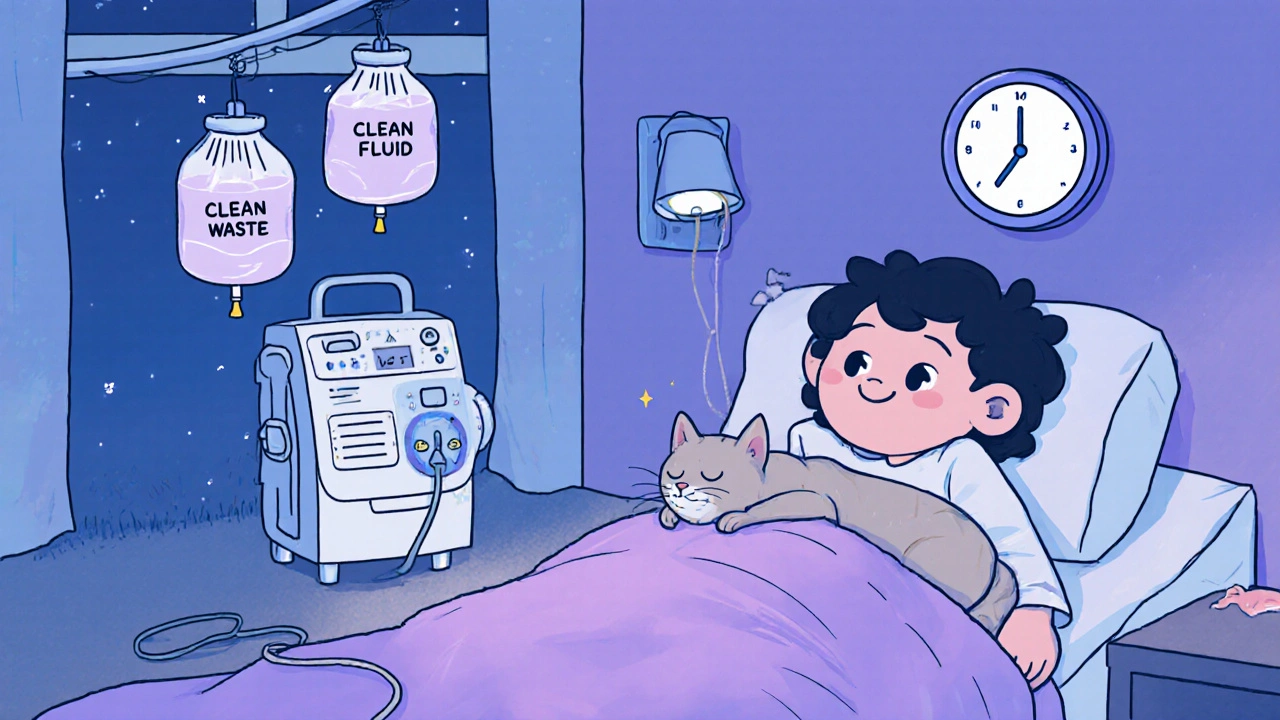
Learn how hemodialysis and peritoneal dialysis work, their pros and cons, and which one may be right for you based on lifestyle, health, and long-term outcomes. No fluff, just clear facts.