
When you take a new medication and feel something off—dizziness, nausea, a rash that won’t go away—you might think it’s just bad luck. But what if that feeling is a clue that could stop someone else from getting hurt? That’s where FDA FAERS, the FDA’s database for collecting and analyzing reports of adverse drug reactions. Also known as FDA Adverse Event Reporting System, it’s the quiet backbone of drug safety after a medicine hits the market. This isn’t about clinical trials or lab results. It’s about real people in real life reacting to drugs in ways no study could predict.
FDA FAERS doesn’t just collect reports—it turns them into action. When enough people report the same strange side effect—like sudden heart rhythm changes from a common antibiotic or unexplained bleeding from a new blood thinner—the FDA digs in. They check if it’s a fluke or a pattern. If it’s a pattern, they might update the warning label, restrict use, or even pull the drug. That’s how we learned about the risks of combining gabapentin with opioids, or why MAO inhibitors can’t be mixed with certain foods. These aren’t theoretical risks. They came from someone’s experience, typed into a form and sent to the FDA.
And you don’t need to be a doctor to add to this system. Every report from a patient, caregiver, or pharmacist matters. The MedWatch, the FDA’s online portal for reporting adverse events is simple, free, and takes less than five minutes. Your report doesn’t need perfect medical jargon. Just describe what happened, what drug you took, and when. That’s enough. These reports feed directly into FDA FAERS, and they’re how we found out that certain generic drugs might interact differently in older adults or women—something early trials missed because they didn’t include enough diverse participants.
Behind every drug label warning, every boxed alert, every change in dosing guidelines, there’s a chain of reports. Some came from hospitals. Most came from people like you who noticed something wrong and decided to speak up. FDA FAERS isn’t a government tool for regulators alone. It’s a public safety net—and you’re holding one of its threads.
Below, you’ll find real stories and clear guides on how drugs behave in the real world: why side effects happen, how to report them, and what happens after you do. From warfarin bleeding risks to clozapine dose shifts in smokers, these posts show you how FDA FAERS turns patient experiences into life-saving changes.
Written by Mark O'Neill
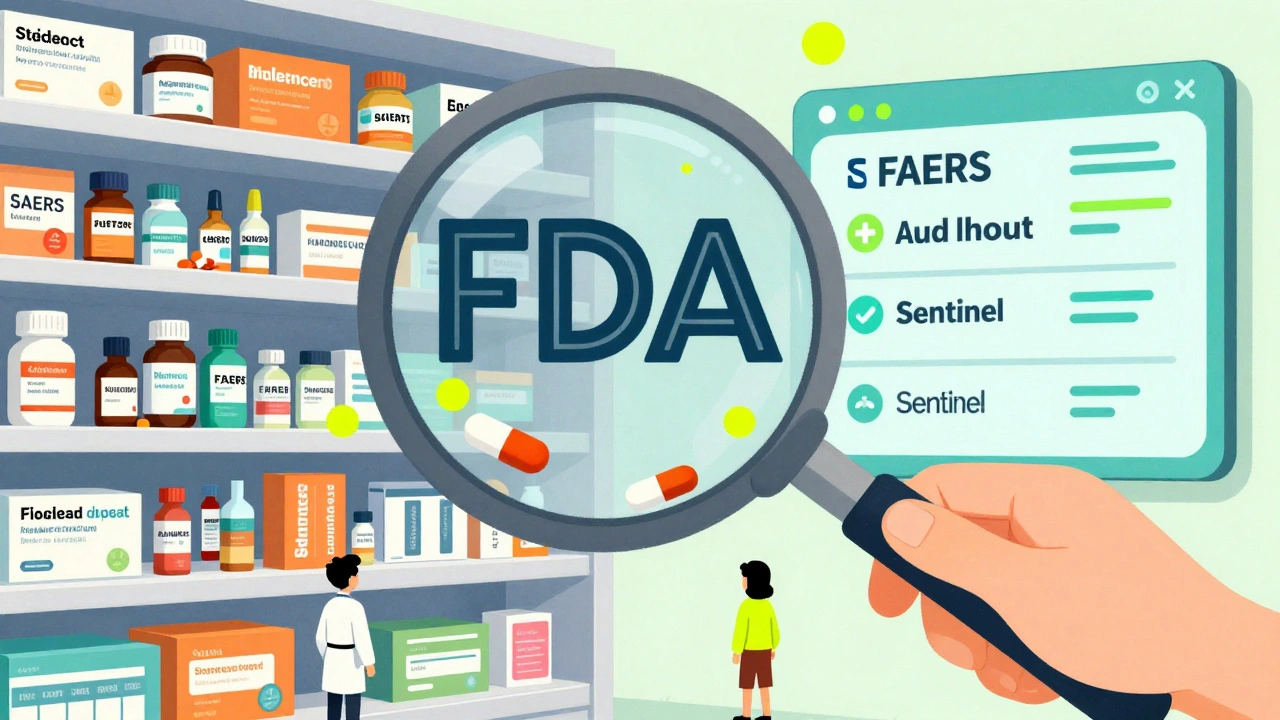
The FDA monitors generic drugs after approval using real-time data, adverse event reports, and factory inspections to ensure ongoing safety. Learn how FAERS, Sentinel, and AI are helping catch hidden risks.