
When you open a medicine bottle, the tiny print on the label isn’t just legal jargon—it’s your FDA label terms, official instructions and warnings approved by the U.S. Food and Drug Administration to guide safe medication use. Also known as prescribing information, these terms are the foundation of how doctors, pharmacists, and patients understand what a drug can and can’t do. These aren’t suggestions. They’re legally required details that tell you who should avoid the drug, what side effects to watch for, how it interacts with other medicines, and even how it behaves in people with certain health conditions.
Take special populations, groups like older adults, pregnant women, or people with kidney or liver disease who may react differently to medications. FDA label terms now require drug makers to show how age, sex, or organ function affects how a drug works—something once ignored in clinical trials. For example, warfarin dosing changes based on age and liver health, and clozapine needs higher doses in smokers due to enzyme changes. These aren’t footnotes—they’re critical safety rules. Then there’s therapeutic equivalence, the official FDA designation that tells you a generic drug works the same as the brand name. That’s why NDC and TE codes exist: so pharmacies don’t accidentally swap drugs that look similar but act differently. If you’ve ever wondered why your pharmacist asked if you wanted the brand or generic, it’s because FDA label terms make that choice safe.
These terms also spell out risks you might not expect. Gabapentin and opioids together can slow your breathing to dangerous levels. MAO inhibitors can cause deadly spikes in blood pressure if you eat aged cheese or take a common cold med. The FDA doesn’t just approve drugs—it forces manufacturers to spell out every known danger, interaction, and warning. That’s why you see phrases like "contraindicated in severe renal impairment" or "monitor INR closely." They’re not there to scare you. They’re there to save your life.
Below, you’ll find real-world guides that break down exactly what these label terms mean in practice. From how to read a generic drug’s approval status to why your blood thinners need constant monitoring, these posts turn confusing FDA language into clear, actionable advice. No fluff. No guesswork. Just what you need to know to use your meds safely.
Written by Mark O'Neill
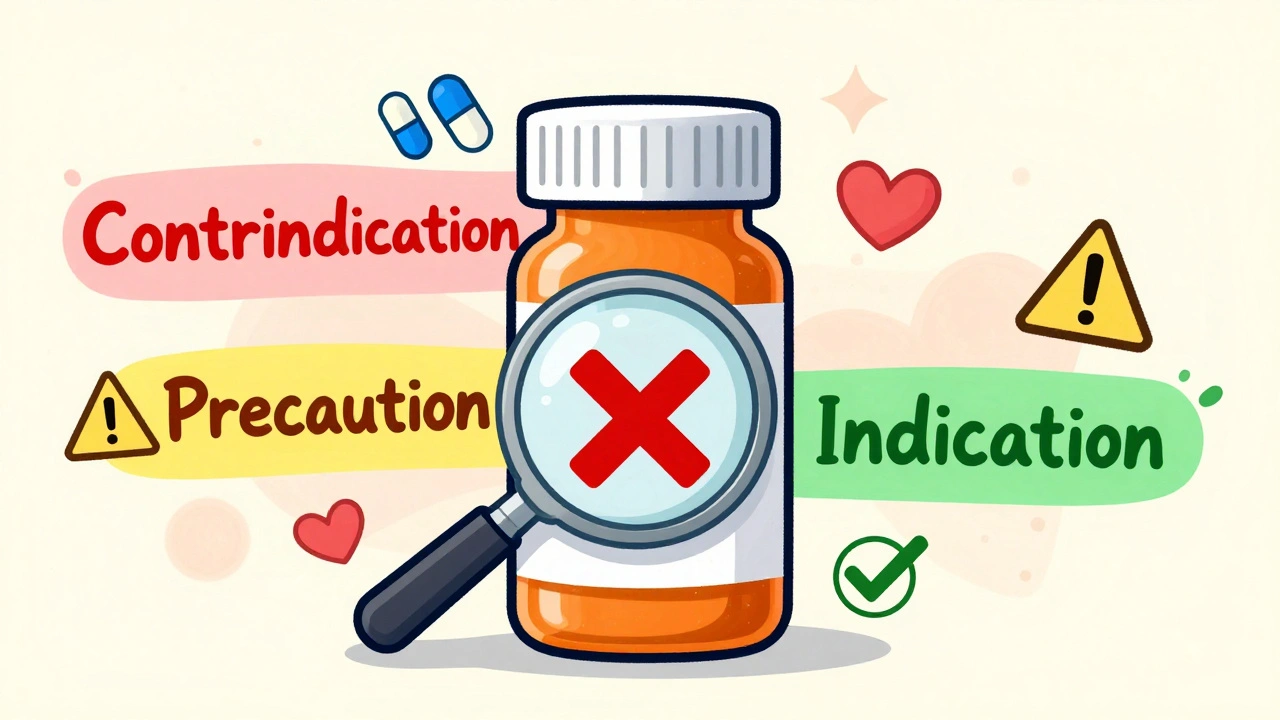
Understand key FDA drug label terms like contraindication, precaution, and indications to use medications safely. Learn what each section means, why it matters, and how to read your prescription label correctly.