
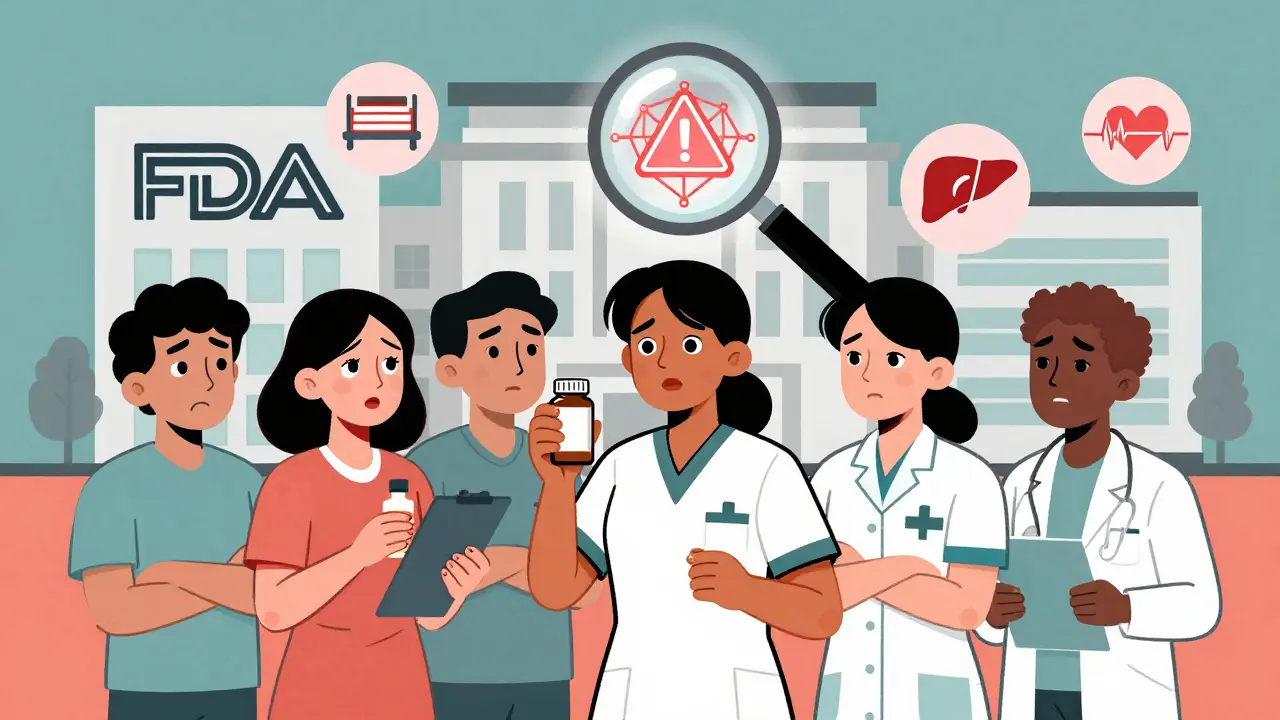
When you take a new medicine, you trust it’s safe—but safety isn’t just decided before it hits the shelf. FDA MedWatch, the U.S. Food and Drug Administration’s official program for collecting reports of serious side effects from drugs, vaccines, and medical devices. It’s how patients, doctors, and pharmacists tell the FDA when something goes wrong after a product is already in use. This isn’t just bureaucracy—it’s a live safety net. Every report helps spot hidden risks, like a blood thinner that causes unexpected bleeding in older adults, or an antibiotic that triggers a rare heart rhythm problem only seen after thousands of people use it.
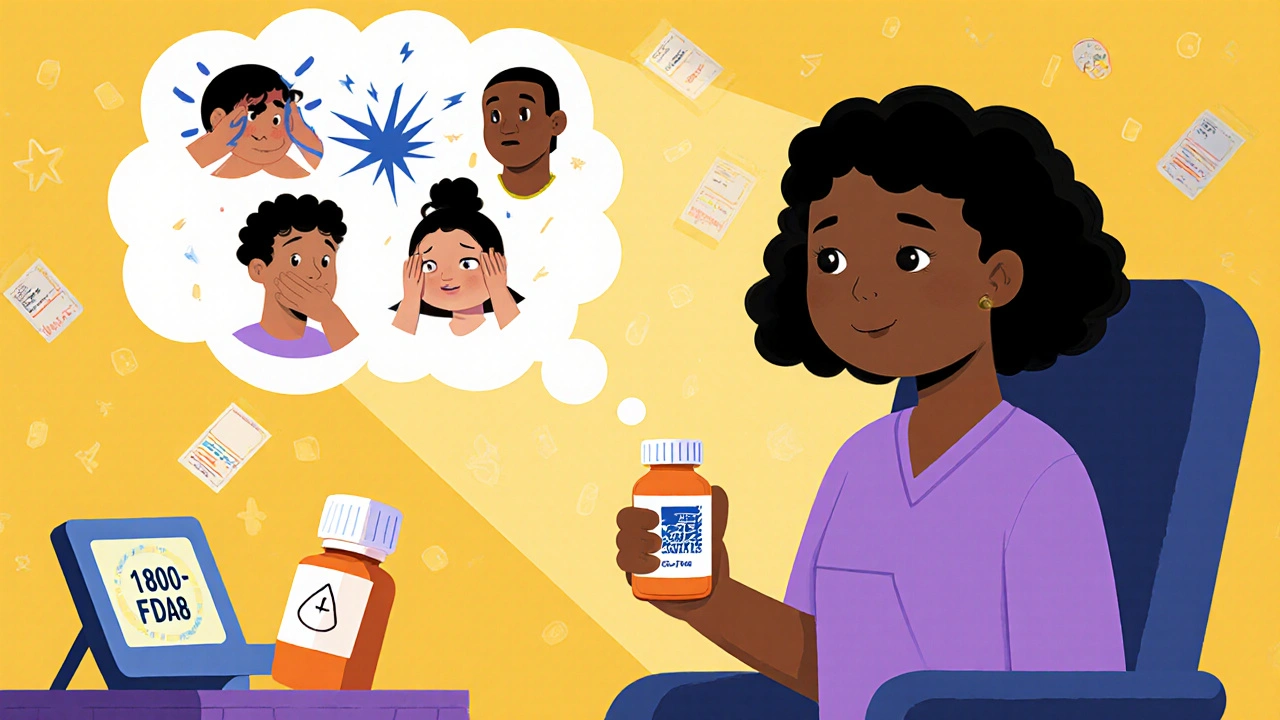
Adverse drug reactions, unwanted or harmful effects from medications taken at normal doses are more common than most people realize. Many go unreported because folks think, "It’s probably just a side effect," or "No one will care." But when enough people report the same issue—like sudden dizziness from a new blood pressure pill—the FDA can issue a warning, update labels, or even pull a drug off the market. That’s why drug reporting, the act of submitting a safety concern to FDA MedWatch is one of the simplest, most powerful things you can do for your health and others’. You don’t need to be a doctor. If you took a medicine and felt something unusual—rash, confusion, chest pain, unexplained fatigue—report it. Even if you’re not sure it’s related. The system is built to sort through noise to find real signals.
FDA MedWatch isn’t just about drugs. It covers medical devices too—like a pacemaker that malfunctions, or a glucose monitor giving wrong readings. It also tracks vaccine safety, dietary supplements, and even over-the-counter products. The reports you see in news alerts or on the FDA website? They come from real people like you. And the system works fast. When a pattern emerges—say, three dozen reports of liver damage linked to a new weight-loss pill—the FDA can act within weeks.
You’ll find posts here that tie directly into this system. One explains how to stay updated on global medication safety news, another shows how clozapine doses change when you quit smoking—something that could be flagged in a MedWatch report. There’s also a piece on clindamycin interactions, and another on anti-doping rules for athletes on prescription meds. All of these topics connect to real-world safety concerns that MedWatch helps track. Whether you’re managing chronic pain, taking heart meds, or just curious about what happens after a drug gets approved, understanding FDA MedWatch gives you control. You’re not just a user—you’re part of the system that keeps medicines safer for everyone.
Written by Mark O'Neill
Learn how to report adverse drug reactions to FDA MedWatch - whether you're a patient, doctor, or pharmacist. Step-by-step guide on forms, what to report, and why your report matters for drug safety.
Written by Mark O'Neill
Learn how to report medication side effects to the FDA - why your voice matters, how to file a report in minutes, and how this simple step helps protect others from dangerous drug reactions.