
When you hear gabapentin, a prescription medication originally developed to treat epilepsy but now widely used for nerve pain. Also known as Neurontin, it's one of the most prescribed drugs in the U.S. for conditions like diabetic neuropathy, postherpetic neuralgia, and sometimes even anxiety or insomnia — even though those uses aren't always FDA-approved. It doesn't work like typical painkillers. Instead of blocking pain signals at the source, it calms overactive nerves in the spinal cord and brain. That’s why it helps when your pain feels like burning, tingling, or electric shocks — not a dull ache.
People often take gabapentin for nerve pain, chronic discomfort caused by damaged nerves, often from diabetes, shingles, or injury. Unlike ibuprofen or acetaminophen, it won’t touch a headache or sprained ankle. But if you’ve tried those and still feel like your skin is on fire, gabapentin might be the next step. It’s also used as an anticonvulsant, a type of drug that prevents seizures by stabilizing electrical activity in the brain — especially for partial seizures in adults and kids over 12. What’s surprising is how often it’s prescribed off-label. Doctors use it for restless legs, migraine prevention, and even alcohol withdrawal — even though the evidence isn’t always strong.
But it’s not harmless. Dizziness, drowsiness, and swelling in the hands or feet are common. Some people feel foggy or unsteady, especially when starting or increasing the dose. And if you stop it cold turkey, you could have seizures, anxiety, or trouble sleeping — even if you never had epilepsy to begin with. That’s why tapering off slowly matters. It’s also risky if you’re on opioids or have breathing problems. The FDA even added a black box warning for increased suicide risk in people taking anticonvulsants, including gabapentin. It’s not for everyone, but for many, it’s the only thing that gives real relief.
Below, you’ll find real-world guides on how gabapentin fits into broader treatment plans — from managing chronic pain without opioids to understanding how it interacts with other meds, what to do if it stops working, and how to spot warning signs before they become emergencies. These aren’t just drug facts. They’re the kind of insights you won’t get from a pharmacy label — but you absolutely need to know.
Written by Mark O'Neill
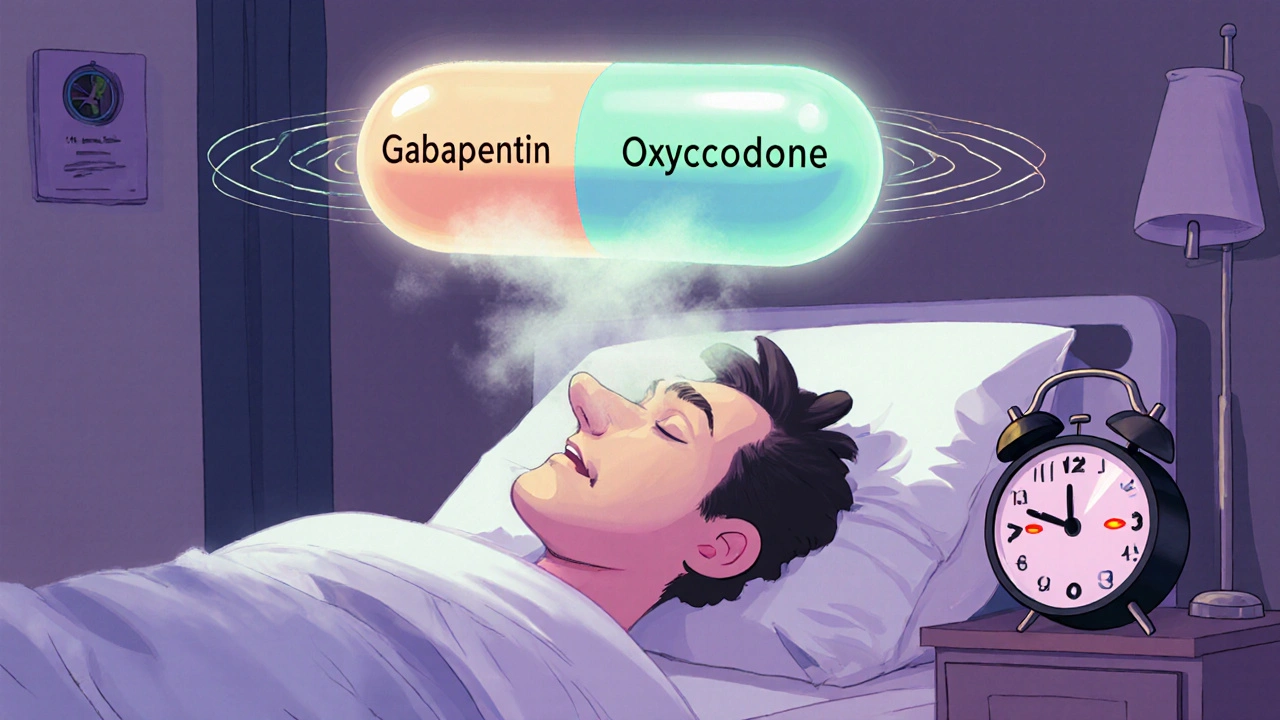
Gabapentinoids like gabapentin and pregabalin can cause dangerous respiratory depression when combined with opioids. This interaction increases overdose risk by up to 98%, especially in older adults and those with kidney or lung disease.