
When it comes to managing nerve pain or controlling certain seizures, gabapentinoids, a class of medications designed to calm overactive nerve signals. Also known as gabapentin-like drugs, they work by targeting calcium channels in the nervous system to reduce abnormal electrical activity. This simple but powerful mechanism makes them one of the most commonly prescribed options for conditions like postherpetic neuralgia, diabetic neuropathy, and fibromyalgia.
Gabapentinoids include two main drugs you’ve likely heard of: gabapentin, the original drug in this class, often used for nerve pain and epilepsy, and pregabalin, a faster-acting, more potent version approved for similar uses. While they’re not opioids, they can still cause drowsiness, dizziness, or swelling—especially if taken with alcohol or other sedatives. Many people take them long-term, but they’re not for everyone. People with kidney problems need dose adjustments, and sudden stops can trigger seizures or worsen anxiety.
These medications don’t cure the underlying cause of pain or seizures—they help manage symptoms. That’s why they often show up in treatment plans alongside physical therapy, lifestyle changes, or other drugs like antidepressants. You’ll find them referenced in posts about chronic back pain, nerve blocks, and even drug shortages, because they’re in high demand and sometimes hard to get. If you’ve been prescribed one, you’ve probably wondered: Is this working? Why am I feeling foggy? Can I stop? The articles below answer those questions with real-world clarity—no fluff, just what you need to know to use these drugs safely and effectively.
Written by Mark O'Neill
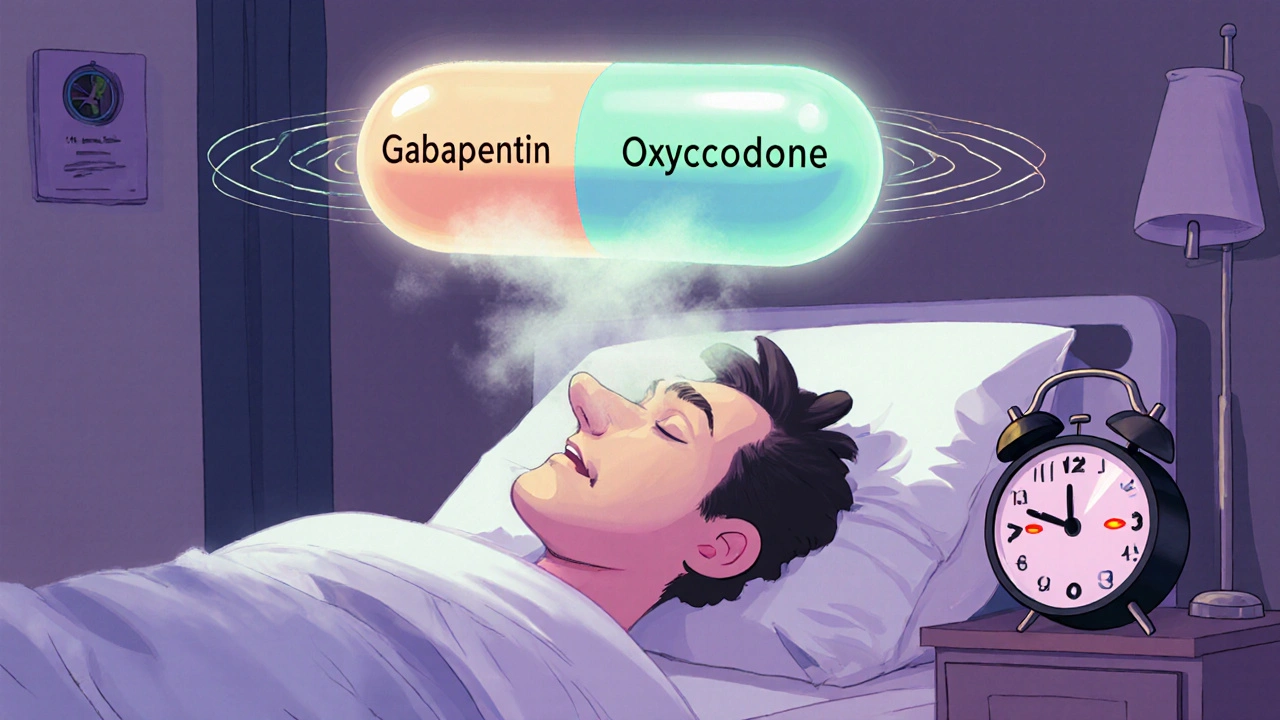
Gabapentinoids like gabapentin and pregabalin can cause dangerous respiratory depression when combined with opioids. This interaction increases overdose risk by up to 98%, especially in older adults and those with kidney or lung disease.