
When your kidneys can’t filter waste anymore, hemodialysis, a medical procedure that uses a machine to clean your blood when your kidneys fail. Also known as dialysis, it keeps you alive by removing toxins, extra fluid, and balancing electrolytes. It’s not a cure, but for millions with chronic kidney disease, a long-term condition where kidneys slowly lose function, it’s a daily necessity. About 1 in 3 adults with diabetes or high blood pressure will develop this condition—making hemodialysis one of the most common long-term treatments in modern medicine.
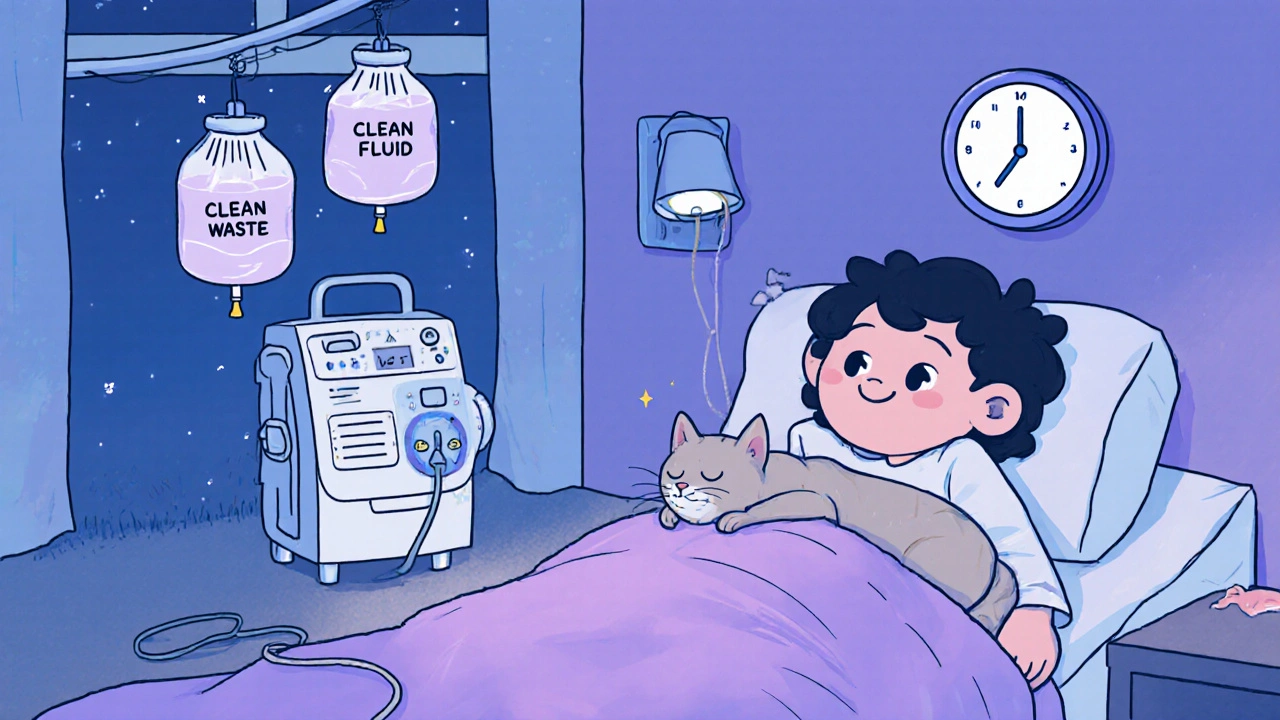
During hemodialysis, your blood flows out through a tube into a dialysis machine, a device with a special filter called a dialyzer that cleans your blood. The cleaned blood then returns to your body. Most people need this done three times a week, each session lasting 3 to 5 hours. It’s not just about the machine—your diet, fluid intake, and meds matter just as much. Too much salt or water between sessions can cause swelling, high blood pressure, or even heart strain. Many patients also take phosphate binders, iron supplements, or erythropoietin to manage side effects.
Hemodialysis doesn’t happen in a vacuum. It’s tied to other conditions like kidney failure, the final stage of chronic kidney disease where kidneys function at less than 15% of normal capacity. People on dialysis often deal with fatigue, bone issues, or nerve damage. Some may need to adjust medications like gabapentin or digoxin because their kidneys can’t clear them properly. And while hemodialysis keeps you alive, it doesn’t fix the root cause—so managing blood pressure, diabetes, and avoiding nephrotoxic drugs is still critical.
You’ll find posts here that cover how to handle drug interactions during dialysis, what to watch for with heart medications, and how to avoid complications from fluid overload. There’s also info on how to spot early signs of kidney trouble before it reaches this stage. Whether you’re a patient, caregiver, or just trying to understand what dialysis really means, this collection gives you real, practical details—not just textbook definitions. What you’ll read here isn’t theory. It’s what people actually live with, manage, and survive every day.
Written by Mark O'Neill
Learn how hemodialysis and peritoneal dialysis work, their pros and cons, and which one may be right for you based on lifestyle, health, and long-term outcomes. No fluff, just clear facts.