
When your blood pressure shoots up suddenly—above 180/120 mm Hg—you’re facing a hypertensive crisis, a sudden, extreme rise in blood pressure that can damage organs and lead to stroke, heart attack, or kidney failure. It’s not just "high blood pressure"—it’s a medical emergency that demands immediate action. This isn’t something you can wait out at home. If left untreated, it can cause bleeding in the brain, heart failure, or acute kidney injury within hours.
A hypertensive urgency, a related but less immediately life-threatening condition where blood pressure is severely elevated without organ damage can sometimes be managed with oral meds and close monitoring. But a true hypertensive crisis, a sudden, extreme rise in blood pressure that can damage organs and lead to stroke, heart attack, or kidney failure requires hospitalization and IV drugs to bring numbers down safely. You can’t just take an extra pill and hope for the best. Too many people assume their headache or blurred vision is just stress—until it’s too late.
What causes this? Common triggers include skipping blood pressure meds, using cocaine or amphetamines, kidney disease, adrenal tumors, or even sudden withdrawal from certain drugs. People with untreated or poorly controlled hypertension are at highest risk. Older adults, those with diabetes, or people with chronic kidney disease are especially vulnerable. It’s not rare—emergency rooms see dozens of these cases every week.
Doctors don’t just lower blood pressure fast—they lower it smart. Too much too soon can cut off blood flow to the brain or heart. That’s why treatment is carefully controlled, often with IV medications like labetalol, nitroprusside, or nicardipine. The goal isn’t to drop numbers to normal in minutes—it’s to reduce them by no more than 25% in the first hour, then stabilize over the next 24 hours.
After surviving a crisis, the real work begins: figuring out why it happened and preventing the next one. Many patients need a complete rethink of their meds, lifestyle, and follow-up care. Some end up on multiple drugs. Others need tests for hidden causes like pheochromocytoma or renal artery stenosis. It’s not just about pills—it’s about understanding your body’s signals before they turn into a crisis.
The posts here cover the tools, risks, and real-world challenges tied to this condition. You’ll find guides on how blood pressure meds interact with other drugs, what to do during a shortage, how to spot warning signs before it’s too late, and how to manage long-term care without falling back into danger. These aren’t theoretical—they’re based on what actually happens in clinics and ERs. Whether you’re a patient, caregiver, or just trying to understand the risks, this collection gives you the facts you need to act—before the next spike hits.
Written by Mark O'Neill
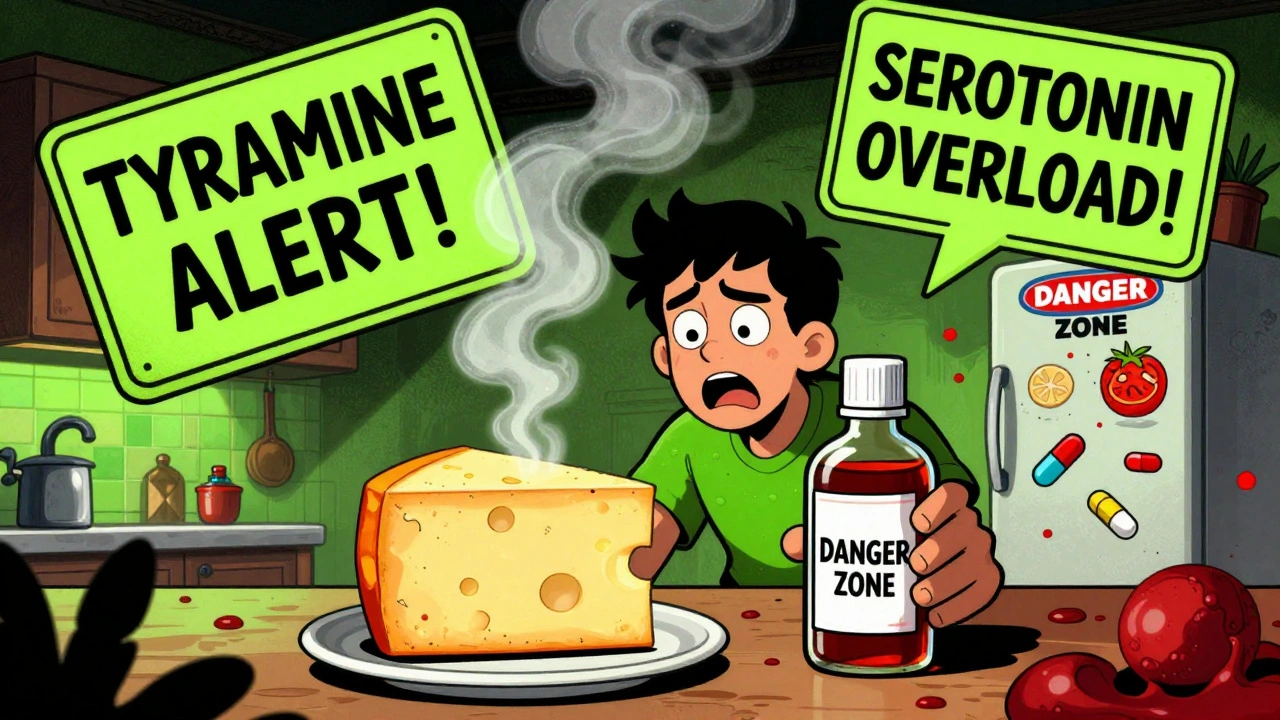
MAO inhibitors can be effective for treatment-resistant depression, but they carry serious risks when mixed with common medications, foods, or supplements. Learn which drugs and foods to avoid to prevent life-threatening reactions like serotonin syndrome and hypertensive crisis.