
When your kidneys stop working right, it’s not just about feeling tired—it’s a life-changing event. Kidney failure treatment, the medical approach to managing end-stage renal disease when kidneys can no longer filter waste or balance fluids. Also known as end-stage kidney disease management, it’s not just about running machines or getting a new organ—it’s about understanding how every pill, diet choice, and doctor visit ties into your survival. This isn’t a quick fix. It’s a long-term system that involves dialysis, a procedure that artificially removes waste and extra fluid from the blood when kidneys can’t, kidney transplant, the most effective long-term solution but one that requires lifelong immunosuppressants and careful monitoring, and smart medication management, how drugs like diuretics, phosphate binders, and blood pressure pills are adjusted to protect what’s left of kidney function.
You can’t treat kidney failure without understanding what’s driving it. High blood pressure and diabetes are the big two, but things like long-term NSAID use, untreated urinary infections, or even certain antibiotics can quietly damage your kidneys over time. That’s why so many people are caught off guard—they didn’t know their meds were adding stress. Gabapentinoids, for example, can pile up in your system if your kidneys aren’t clearing them out, raising the risk of dizziness, falls, or even breathing trouble. And if you’re on opioids? That combo? It’s dangerous. Same with digoxin—used for heart issues—that can become toxic if your kidneys can’t flush it. Kidney failure treatment isn’t just about replacing function. It’s about stopping further harm from everyday drugs.
And then there’s the diet. No, it’s not just about cutting salt. It’s potassium, phosphorus, protein, fluids—every bite has to be calculated. Too much potassium? Your heart can stop. Too much fluid? You swell up, struggle to breathe. Most patients don’t realize how quickly these numbers can spiral out of control. That’s why the best treatment plans include dietitians, pharmacists, and nurses who track every lab result. It’s not magic. It’s daily discipline. The people who do best aren’t the ones with the fanciest treatments—they’re the ones who show up, ask questions, and stick to the plan.
What you’ll find here are real stories from people managing this condition—not theory, not brochures. You’ll see how dialysis schedules clash with work, how transplant waiting lists change lives, how a simple switch in meds can make all the difference. There’s no sugarcoating it: kidney failure is serious. But with the right info, you’re not just surviving—you’re staying in control.
Written by Mark O'Neill
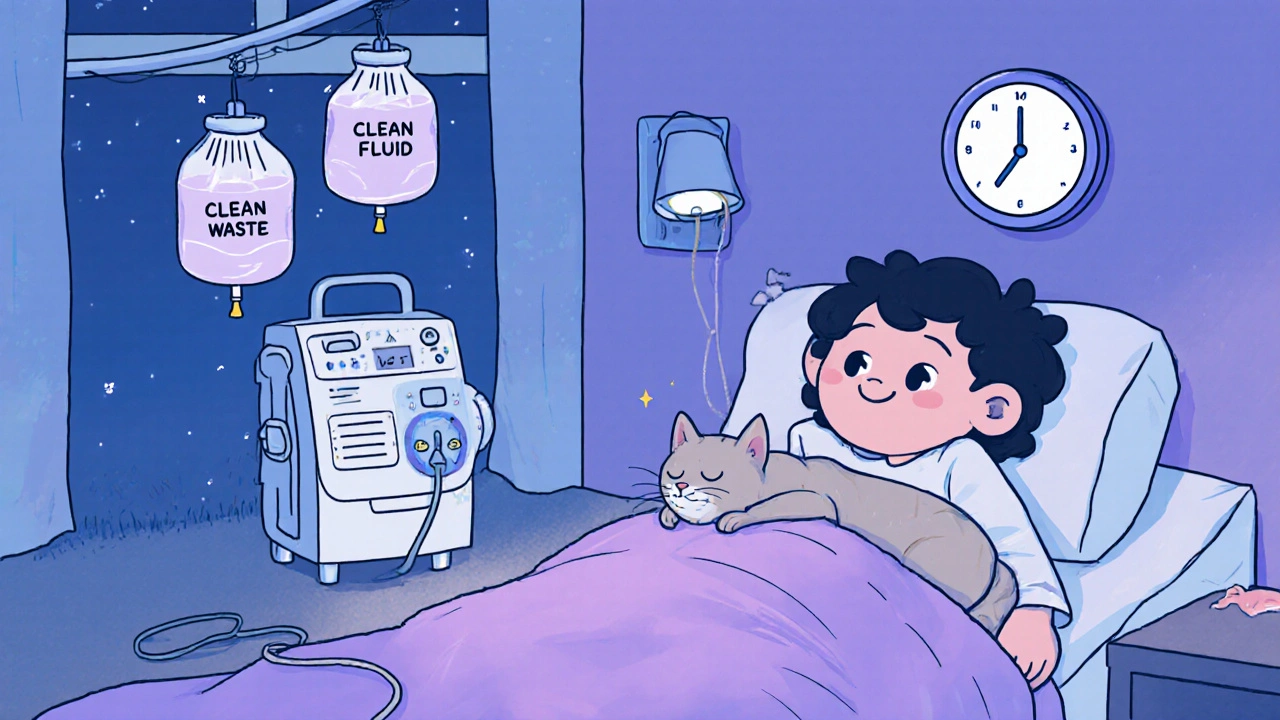
Learn how hemodialysis and peritoneal dialysis work, their pros and cons, and which one may be right for you based on lifestyle, health, and long-term outcomes. No fluff, just clear facts.