
When you take a medication side effects, unintended physical or mental reactions that happen after taking a drug. Also known as adverse drug reactions, they can range from mild nausea to life-threatening issues—and they’re far more common than most people realize. Almost every prescription and over-the-counter drug comes with a list of possible side effects, but few people actually know how to read them or what to do when they happen.
Some side effects are predictable, like drowsiness from antihistamines or dry mouth from blood pressure meds. Others are rare but dangerous, like liver damage from long-term use of certain antibiotics or heart rhythm problems from antiarrhythmics. The drug interactions, when one medication changes how another works in your body. Also known as medication interactions, it can turn a safe pill into a risk. For example, clozapine levels crash in smokers because of enzyme changes, and if you quit smoking without telling your doctor, you could overdose. Clindamycin can mess with birth control. Roxithromycin might not work if you’re already on another antibiotic. These aren’t edge cases—they’re everyday risks.
And it’s not just about the drug itself. Your age, diet, other health conditions, and even your genes play a role. A 70-year-old on digoxin for heart failure needs different monitoring than a 30-year-old on azelaic acid for acne. Even something as simple as smoking affects how your body breaks down meds, like with clozapine or certain antidepressants. That’s why tracking your own reactions matters. If you feel weird after starting a new pill—dizzy, itchy, nauseous, or just "off"—don’t ignore it. Write it down. Talk to your pharmacist. Report it. Global health agencies like the WHO track these reports to spot patterns before they become crises.
What you’ll find below isn’t a list of scary warnings. It’s a collection of real, practical stories about how people deal with these issues. From how hydrocortisone helps after surgery but can cause swelling if misused, to why athletes have to file special paperwork just to take their asthma inhalers, to how digoxin stays safe for new moms but still needs close watch. These aren’t hypotheticals. These are real people, real drugs, and real consequences that were avoided—or not—because someone knew what to look for.
You don’t need to memorize every possible side effect. But you do need to know how to spot the ones that matter. And that’s what these posts are for.
Written by Mark O'Neill
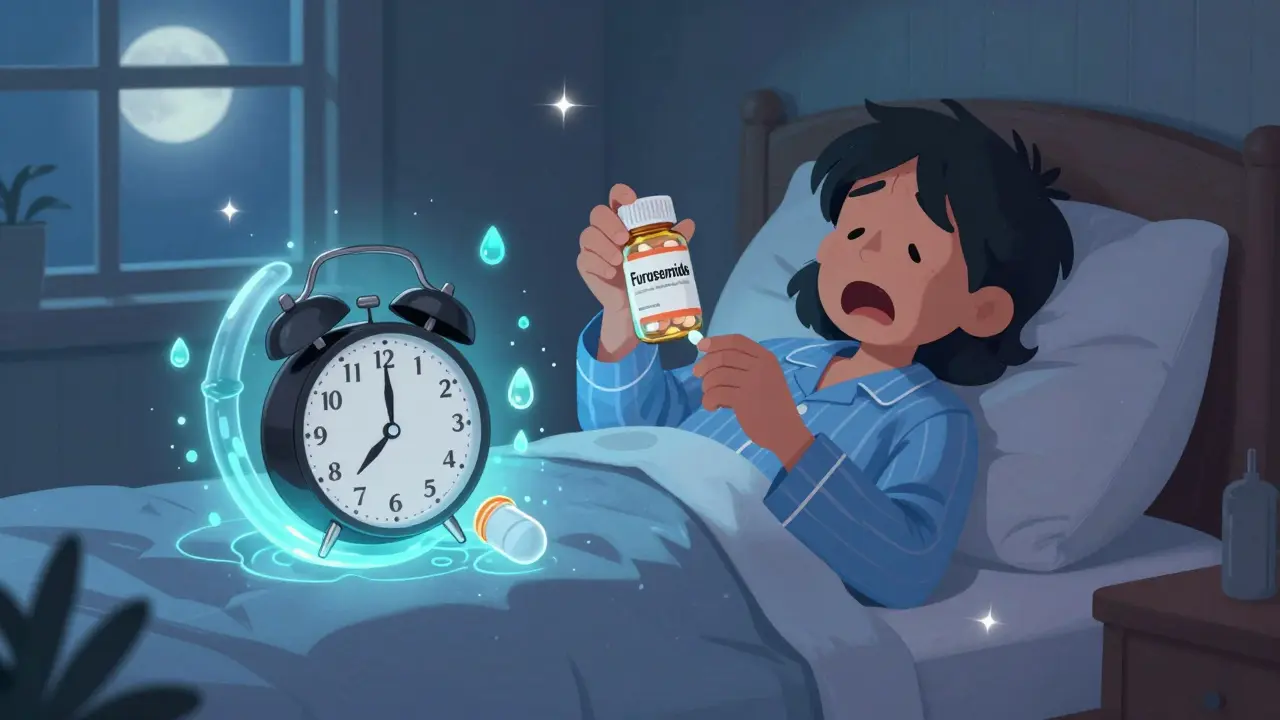
Many common medications cause frequent urination and urinary urgency as side effects. Learn which drugs are most likely to trigger bladder problems and how to manage them without stopping treatment.
Written by Mark O'Neill
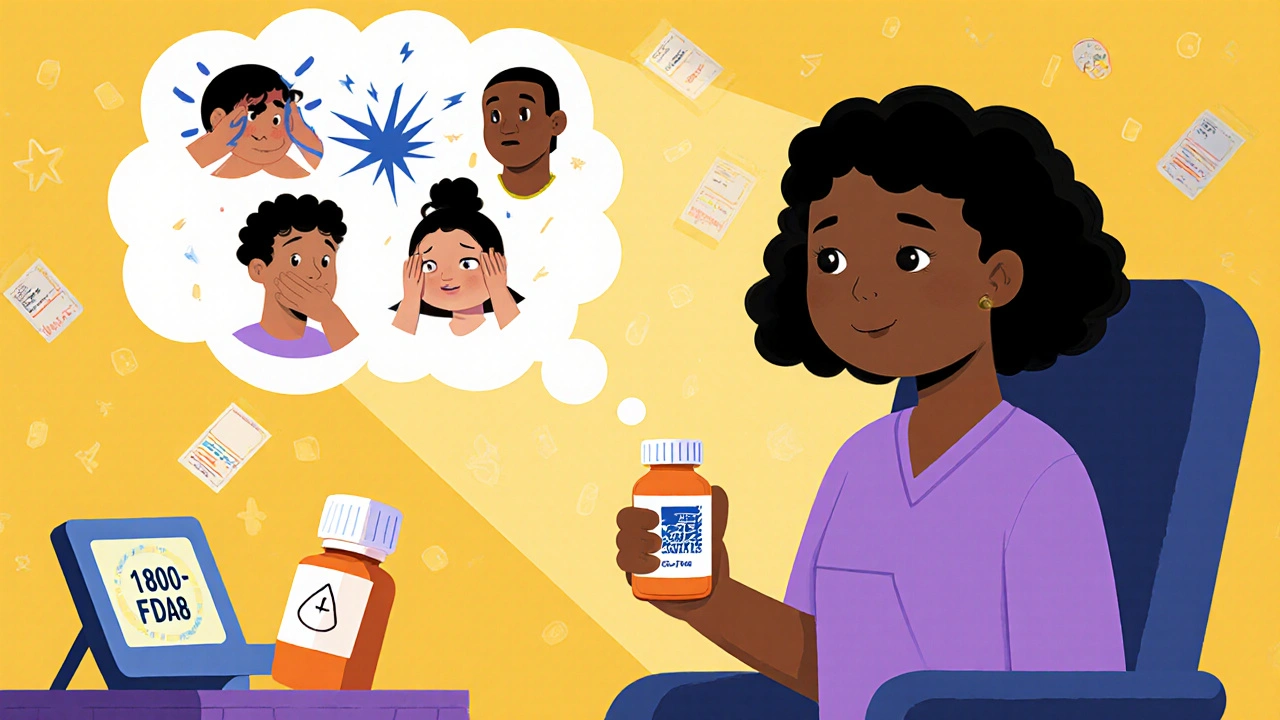
Learn how to report medication side effects to the FDA - why your voice matters, how to file a report in minutes, and how this simple step helps protect others from dangerous drug reactions.