
When you hear NTI generics, narrow therapeutic index generics that require precise dosing to be safe and effective. Also known as narrow therapeutic index drugs, they’re medications where the difference between a helpful dose and a dangerous one is razor-thin. Think warfarin, lithium, or phenytoin—drugs that save lives but can also cause serious harm if the level in your blood shifts just a little. These aren’t your average generics. The FDA treats them differently because getting the dose wrong isn’t just inconvenient—it’s life-threatening.
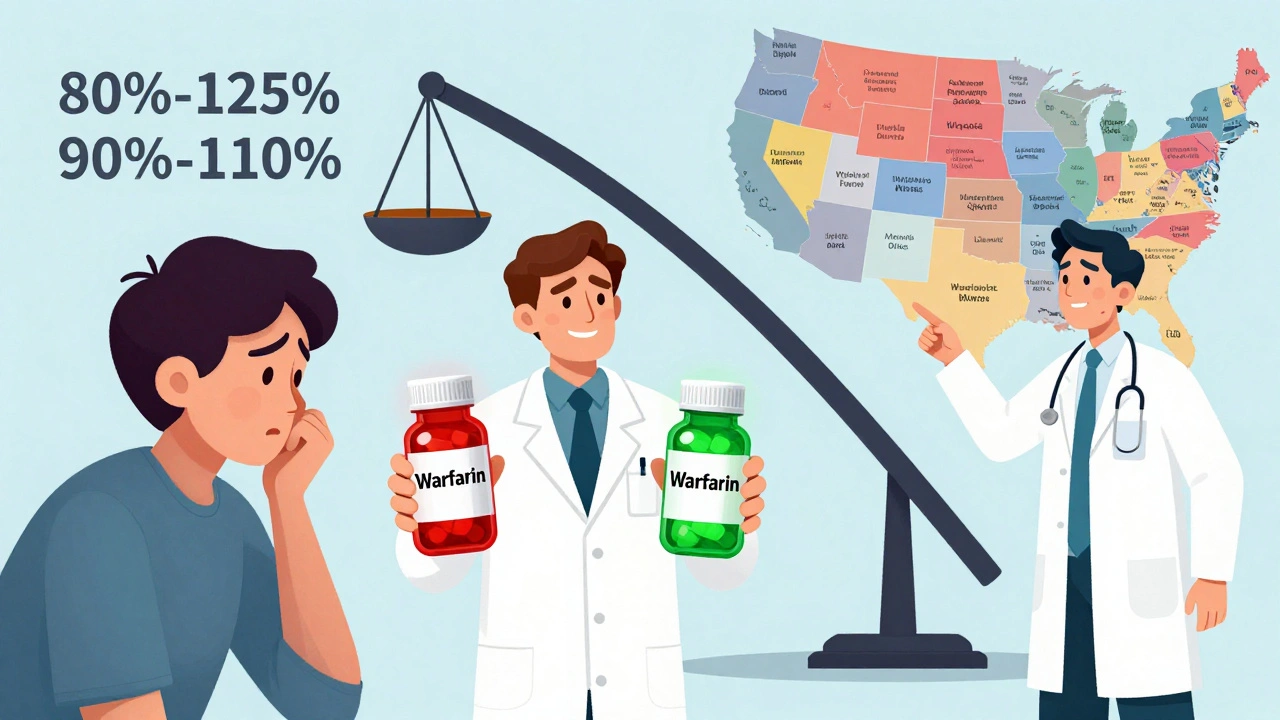
That’s why bioequivalence, the scientific process that proves a generic matches the brand in how it’s absorbed and works in the body for NTI drugs is held to a much higher standard. While most generics just need to be within 80–125% of the brand’s absorption, NTI generics often require tighter ranges—sometimes as close as 90–111%. This isn’t just paperwork; it’s about keeping your blood levels stable. And that’s why FDA drug approval, the official process that ensures a generic is as safe and effective as the original for these drugs involves more testing, more data, and more scrutiny. You might not see it on your prescription, but behind the scenes, regulators are watching these drugs like hawks.
It’s also why switching between NTI generics isn’t always safe—even if they’re both approved. One brand might be absorbed a little faster, another a little slower. For someone on warfarin, that tiny difference could mean a dangerous clot or a bleed. That’s why many doctors and pharmacists stick to the same generic brand unless absolutely necessary. And it’s why tiered copays and pharmacy formularies can make your NTI generic cost more than you expect—rebates and contracts sometimes push insurers toward less-tested options, even when stability matters more than price.
What you’ll find in the posts below is a real-world look at how NTI generics work in practice. From how age and sex affect how your body handles them, to how pharmacy systems track them using NDC and TE codes to avoid dangerous mix-ups. You’ll see how FDA labeling helps you spot risks, how drug shortages force tough choices, and why reporting side effects isn’t just a formality—it’s part of keeping these high-stakes drugs safe for everyone.
Written by Mark O'Neill
NTI generics require stricter regulation than regular generics due to their narrow safety margin. This article compares how the FDA, EMA, Health Canada, and Japan approve these high-risk drugs, and why global harmonization is critical for patient safety.