
When you hear opioids, a class of drugs that bind to nerve receptors to reduce pain. Also known as narcotics, they include everything from prescription painkillers like oxycodone and hydrocodone to illegal drugs like heroin. These drugs work by slowing down signals in your brain and spinal cord, making pain feel less intense—but they also trigger pleasure centers, which is why they’re so addictive. Millions of people take them after surgery or for chronic pain, but too many end up stuck in a cycle they didn’t plan for.
Opioid addiction, a chronic condition where the brain craves the drug despite harm doesn’t happen overnight. It starts with a legitimate prescription, then tolerance builds, then doses creep up, then the feeling of normalcy disappears without it. Opioid overdose, a life-threatening event where breathing slows or stops is the scary end point—and it’s rising again after years of decline. Narcan (naloxone) can reverse it, but only if someone’s there to use it. That’s why knowing the signs—slow breathing, blue lips, unresponsiveness—isn’t just helpful, it’s life-saving.
Not everyone who takes opioids becomes addicted. But the risk is real, and it’s not just about street drugs. Even short-term use after a dental procedure or injury can lead to dependence. That’s why doctors now push for pain management, a broader approach to reducing pain without relying on opioids whenever possible. Things like physical therapy, nerve blocks, or even simple anti-inflammatories often work just as well—with way fewer risks. The posts below cover real stories and science on how opioids are used, misused, and replaced. You’ll find guides on spotting warning signs, what to do if you’re worried about a loved one, and how non-opioid options like physical therapy or RFA can give lasting relief without the danger.
There’s no shame in needing pain relief. But there’s power in knowing your options—and your limits. These articles don’t just explain opioids. They help you protect yourself, your family, and your future.
Written by Mark O'Neill
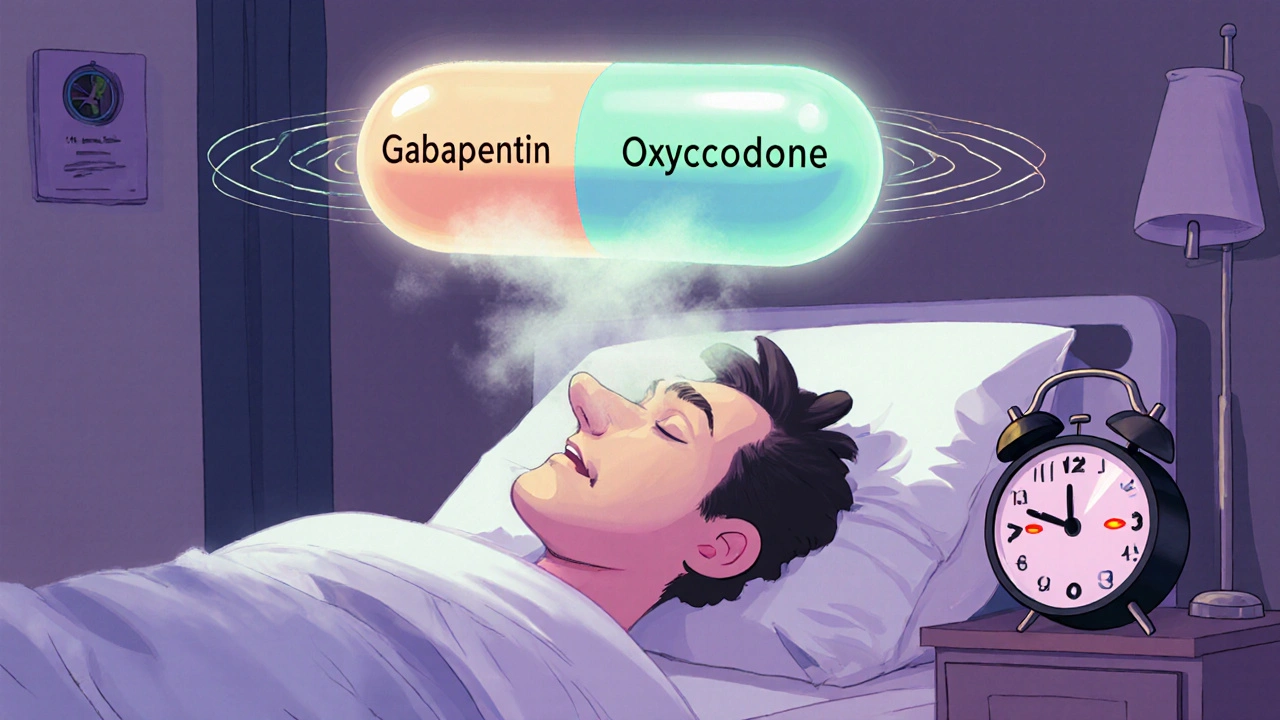
Gabapentinoids like gabapentin and pregabalin can cause dangerous respiratory depression when combined with opioids. This interaction increases overdose risk by up to 98%, especially in older adults and those with kidney or lung disease.