
When you pick up a prescription, the price you see at the counter isn’t the whole story. Behind the scenes, PBM rebates, payments pharmacy benefit managers receive from drug makers in exchange for putting their medications on preferred lists. These rebates are a core part of how pharmacy benefit managers negotiate drug prices for insurers and employers. Also known as formulary incentives, they’re meant to lower costs—but often end up inflating list prices and confusing patients. PBM rebates don’t always reach you. Instead, they flow to insurers and PBMs themselves, creating a system where the most expensive drugs can get the biggest rebates—and the most promotion.
This system affects everything from insulin to antibiotics. For example, a brand-name drug might have a list price of $500, but the manufacturer gives a $300 rebate to the PBM. The PBM keeps $200 and passes $100 to the insurer. Meanwhile, a cheaper generic with no rebate might be pushed to the back of the formulary, making it harder to get. That’s why you might pay more for a brand even when a generic exists. The same thing happens with specialty drugs: high rebates mean they’re prioritized, even if they’re not the best choice for you. generic drugs, which are just as safe and effective, often get sidelined because they don’t offer rebates. This isn’t about quality—it’s about money.
It’s not just about what’s on the shelf. PBM rebates influence which drugs get covered, how much you pay out of pocket, and even whether your doctor can prescribe what they think is best. If a drug doesn’t pay a rebate, it might not be covered at all. That’s why patients on chronic medications—like those for diabetes, high blood pressure, or mental health—often face surprise cost spikes. And when PBMs own pharmacies or push mail-order services, the rebate structure gets even more tangled. You’re not just paying for the pill; you’re paying for a complex financial game you didn’t sign up for.
What you’ll find below are real stories and breakdowns of how this system works—and how it fails patients. From how rebates impact insulin prices to why your generic isn’t covered, these articles cut through the jargon. You’ll learn what to ask your pharmacist, how to spot when a rebate is driving your prescription, and what alternatives actually work. This isn’t theory. It’s what’s happening in your medicine cabinet right now.
Written by Mark O'Neill
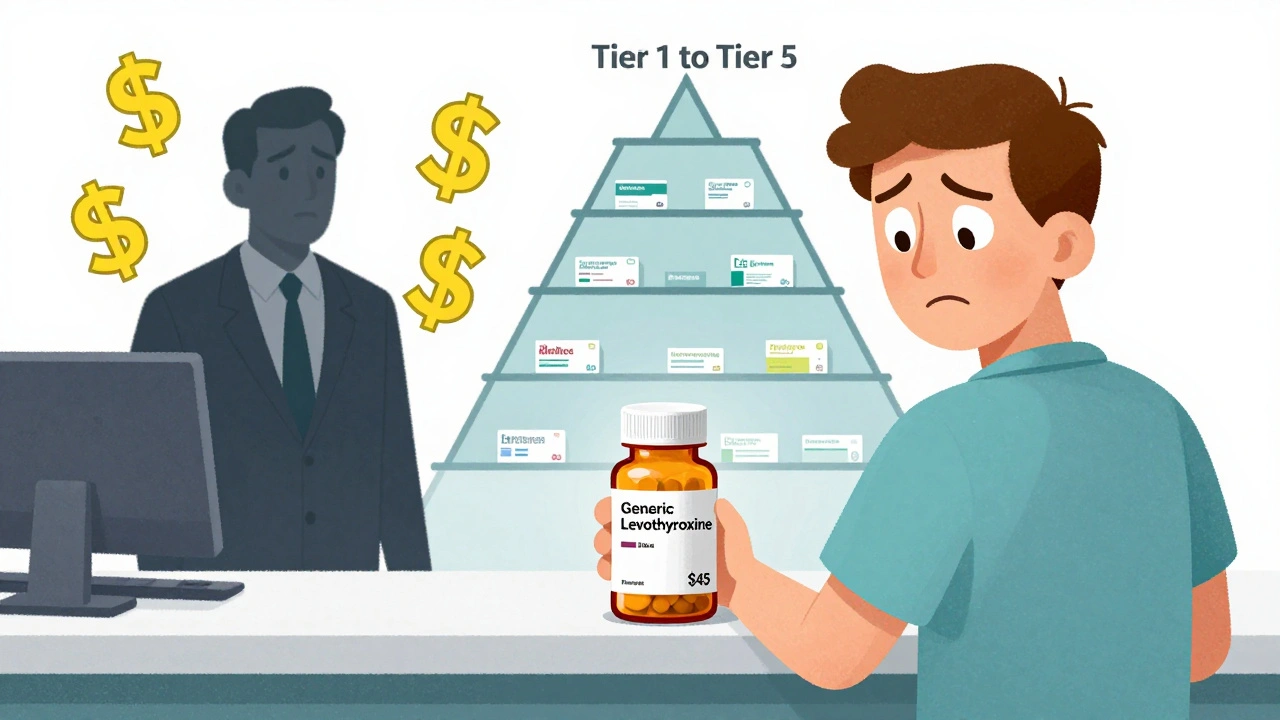
Why your generic drug might cost more than the brand-name version - it's not about the medicine, it's about rebates. Learn how tiered copays work and what you can do to save money.