
When you pick up a prescription, what you get isn’t always what your doctor wrote. That’s because your pharmacy formulary, a list of approved medications covered by your health plan. Also known as a drug formulary, it’s the gatekeeper between your doctor’s recommendation and what you actually pay for at the counter. It’s not just a catalog—it’s a decision engine built by insurers, hospitals, and pharmacy benefit managers to balance cost, safety, and effectiveness.
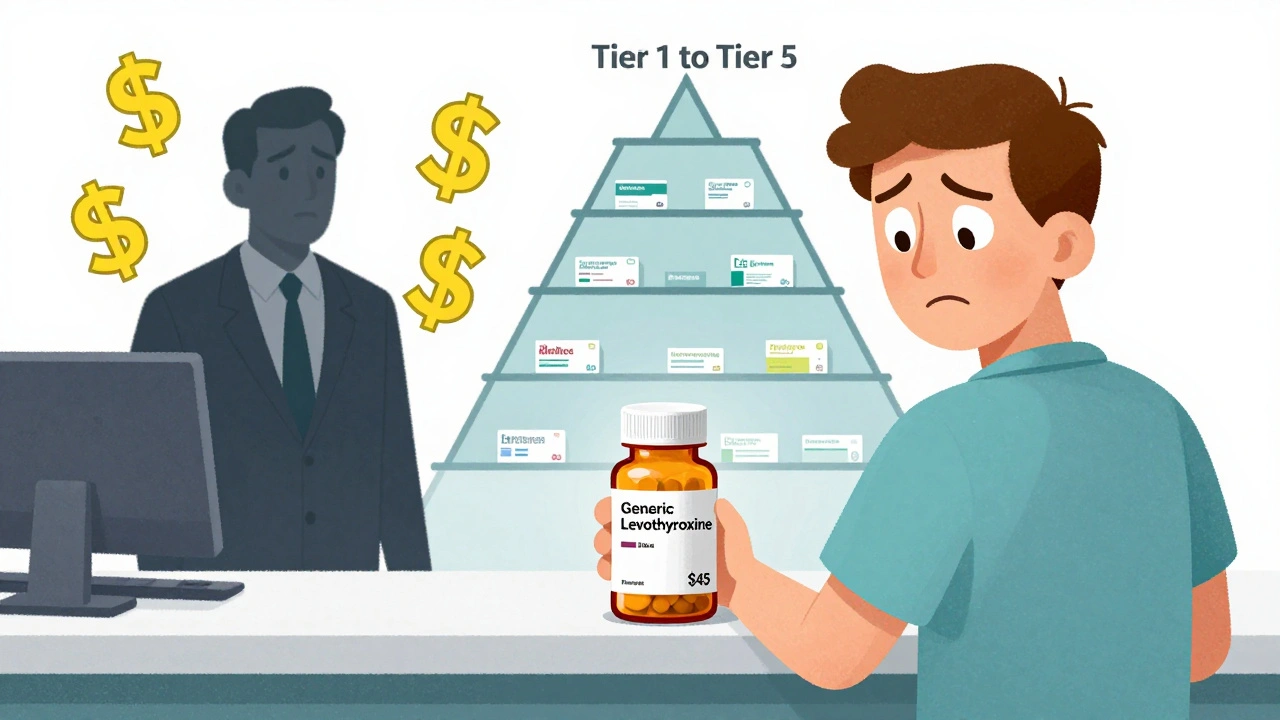
Every formulary has tiers. Tier 1 usually includes generic drugs like metformin or lisinopril—cheap, proven, and widely available. Tier 2 might be brand-name drugs with no generic yet. Tier 3 and 4? Those are specialty meds—expensive, often requiring prior authorization. If your drug isn’t on the list, you either pay full price, switch to a covered alternative, or file an appeal. That’s why therapeutic equivalence, when two drugs work the same way clinically, even if they’re different brands or generics matters so much. The FDA says generics like levothyroxine or warfarin are bioequivalent to their brand names, but formularies don’t always treat them the same. Some plans push one generic over another, even if both are FDA-approved, based on contract deals with manufacturers.
Formularies also change constantly. A drug might get added after new data shows it reduces hospital visits, or removed if a cheaper option emerges. That’s why FDA generic approval, the process that ensures generics meet the same quality standards as brand drugs isn’t the end of the story. Even if a drug is approved, it might not be covered. And when shortages hit—like with insulin or antibiotics—formularies shift fast to include alternatives. This is why you’ll see articles here on medication alternatives, safe swaps during drug shortages, and how pharmacy systems, the digital tools pharmacies use to track NDC and TE codes help avoid mix-ups between brands and generics.
You don’t control the formulary, but you can understand it. Know your plan’s list. Ask if there’s a cheaper, covered option. Check if your drug was recently removed. And if you’re on a chronic med like warfarin or clozapine, remember that small changes in dosage or formulation can have big effects—especially if your formulary switches you to a different generic. The posts below break down real cases: how formularies influence access to NTI generics, why some patients get stuck with outdated drugs, and how to push back when your treatment gets blocked. You’ll find practical advice on navigating drug shortages, reading your insurer’s coverage rules, and talking to your pharmacist about alternatives that actually work.
Written by Mark O'Neill
Why your generic drug might cost more than the brand-name version - it's not about the medicine, it's about rebates. Learn how tiered copays work and what you can do to save money.