
When you pick up a prescription or buy an over-the-counter medicine, regulatory approval, the official process by which health agencies verify a drug’s safety, effectiveness, and quality before it reaches patients. Also known as drug authorization, it’s the invisible gatekeeper between a lab discovery and your medicine cabinet. Without it, there’s no guarantee the pill you’re taking actually works—or that it won’t hurt you.
Behind every approved drug is a mountain of data. Agencies like the FDA, the U.S. Food and Drug Administration, the primary body responsible for overseeing drug safety and approval in the United States and the EMA in Europe don’t just trust manufacturers’ claims. They demand proof—from lab tests to clinical trials involving thousands of people. For generic drugs, medications that copy brand-name drugs in dosage, safety, strength, and how they work, but cost far less, the bar is just as high. They must prove bioequivalence: that they deliver the same amount of active ingredient into your bloodstream at the same rate as the original. It’s not about cutting corners—it’s about making sure you get the same result, whether you pay $1 or $100.
Regulatory approval isn’t a one-time stamp. It’s an ongoing process. Once a drug is on the market, agencies keep watching for unexpected side effects, manufacturing issues, or interactions that weren’t caught in trials. That’s why you hear about drug recalls or safety alerts. Your report of a bad reaction through FDA MedWatch, the official system for reporting adverse drug events and medication errors helps them spot problems faster. It’s a feedback loop that protects everyone.
Age, sex, and even how you smoke can change how a drug behaves in your body. That’s why modern approval now requires studies to include diverse populations—not just young, healthy men. If a drug affects men and women differently, regulators need to know. If it’s risky for older adults or people with kidney disease, that has to be clear on the label. That’s why posts on warfarin, clozapine, and gabapentinoids all tie back to this same system: approval isn’t just about getting a drug to market—it’s about making sure it’s used safely by real people.
You don’t need to understand every step of the process, but you should know this: regulatory approval isn’t bureaucracy for bureaucracy’s sake. It’s the reason your insulin still works after sitting in your bag for a week, why your generic blood pressure pill doesn’t suddenly stop working, and why you can trust the warnings on your label. When you see that approval stamp, it means someone else did the hard work so you don’t have to.
Below, you’ll find real-world examples of how regulatory approval affects everything from how pharmacies label drugs to why some medications cost more than others—even when they’re chemically identical. These aren’t theoretical debates. They’re the everyday realities shaped by approval rules, and they directly impact your health, your wallet, and your peace of mind.
Written by Mark O'Neill
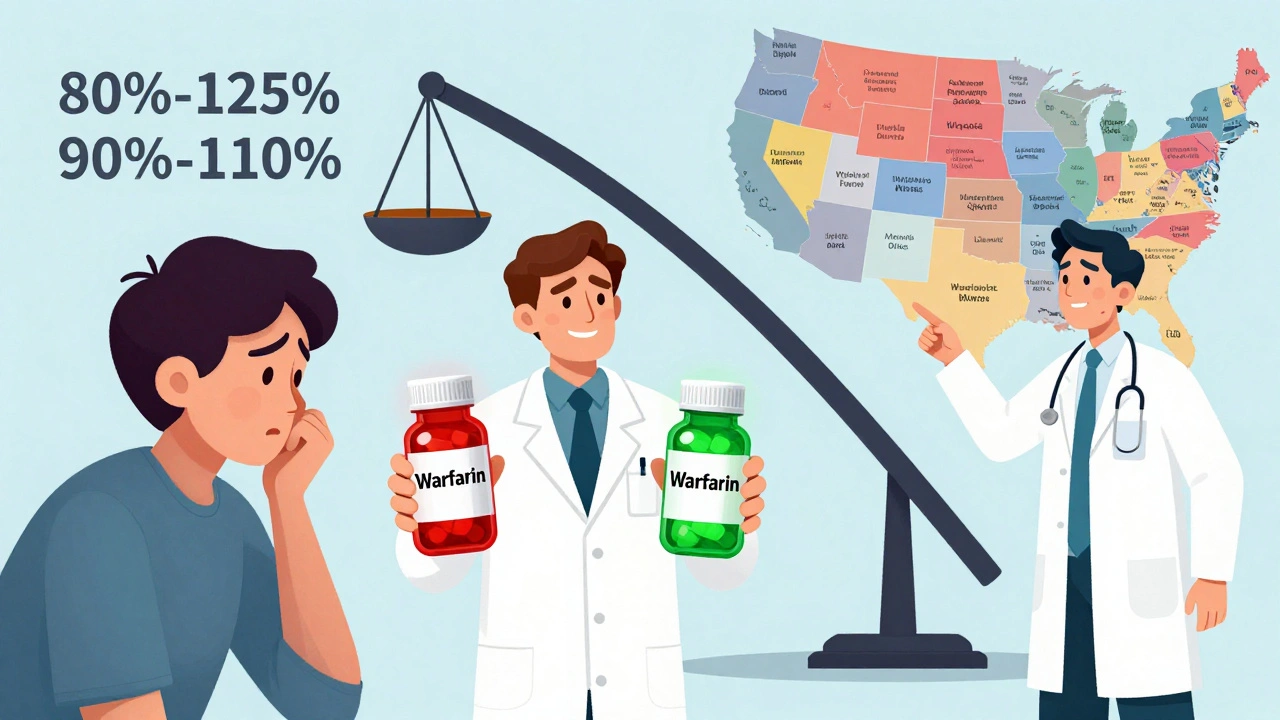
NTI generics require stricter regulation than regular generics due to their narrow safety margin. This article compares how the FDA, EMA, Health Canada, and Japan approve these high-risk drugs, and why global harmonization is critical for patient safety.