
When your breathing slows down too much, your body doesn’t get enough oxygen. That’s respiratory depression, a life-threatening condition where breathing becomes too shallow or too slow to sustain life. It’s not just feeling tired—it’s when your lungs stop doing their job, and your brain and organs start to suffer. Also known as hypoventilation, it often happens after taking too much of a drug that calms your nervous system.
This isn’t rare. Opioids like oxycodone, fentanyl, or morphine are the most common culprits, but sedatives like benzodiazepines (think Xanax or Valium), sleep aids, and even some muscle relaxants can do the same thing. The risk goes up when you mix them—like taking painkillers with alcohol or anti-anxiety meds. People with sleep apnea, lung disease, or older adults are more vulnerable, but even healthy people can slip into respiratory depression if they take too much or aren’t aware of how strong the drug is.
It doesn’t always come with a warning. You might feel drowsy, then confused, then your breathing gets slower and shallower until it stops. Loved ones often notice first—the person is hard to wake, their lips turn blue, or they’re making strange, gurgling sounds. That’s not just "sleeping it off." That’s a medical emergency. Naloxone can reverse opioid-induced respiratory depression if given fast enough, but it won’t work for sedatives. Knowing the difference matters.
What you’ll find in the posts below isn’t just theory—it’s real-world guidance. You’ll see how drugs like clozapine can affect breathing through enzyme changes, how opioid use ties into broader medication safety, and why reporting side effects to the FDA isn’t just paperwork—it’s saving lives. There’s no fluff here. Just clear facts on what triggers respiratory depression, how to spot it early, and how to protect yourself or someone you care about.
Written by Mark O'Neill
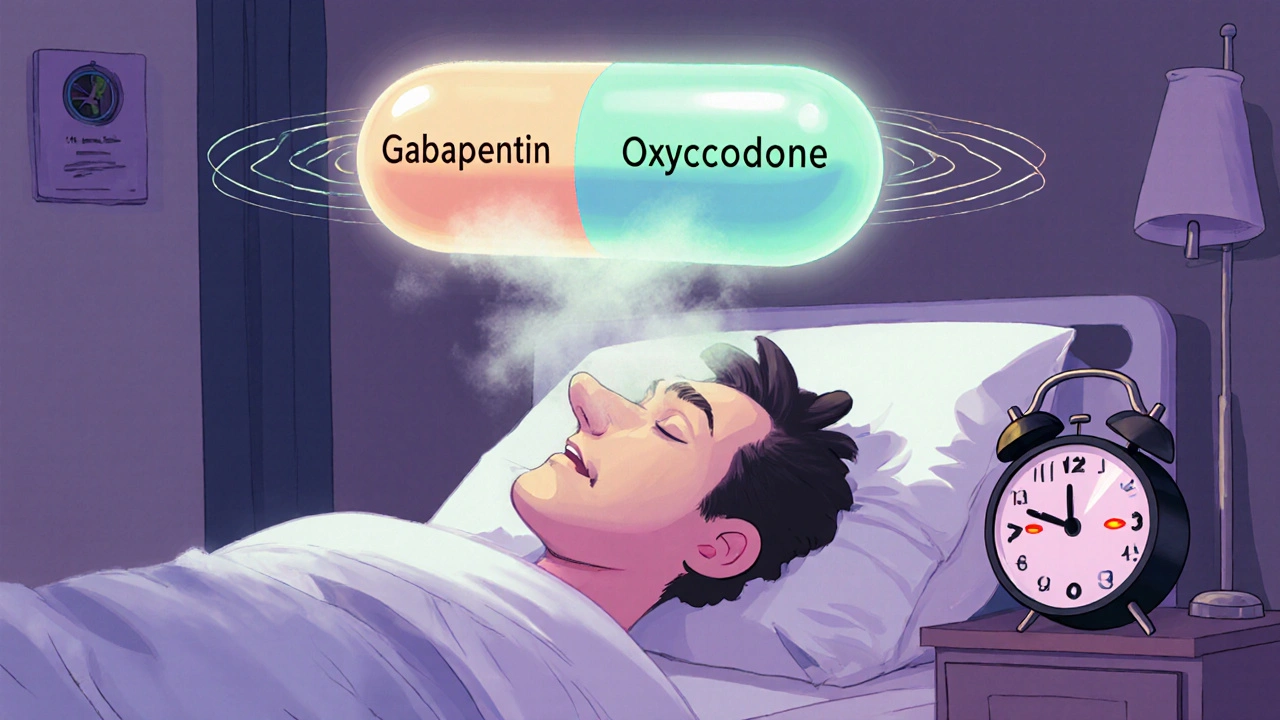
Gabapentinoids like gabapentin and pregabalin can cause dangerous respiratory depression when combined with opioids. This interaction increases overdose risk by up to 98%, especially in older adults and those with kidney or lung disease.