
When you take warfarin, a blood thinner used to prevent clots in people with atrial fibrillation, artificial heart valves, or deep vein thrombosis. Also known as Coumadin, it saves lives—but only if you understand how it works and what can go wrong. Warfarin doesn’t just thin your blood. It changes how your body uses vitamin K, which affects clotting. That’s why even small changes in diet, other meds, or health can turn a safe dose into a dangerous one.
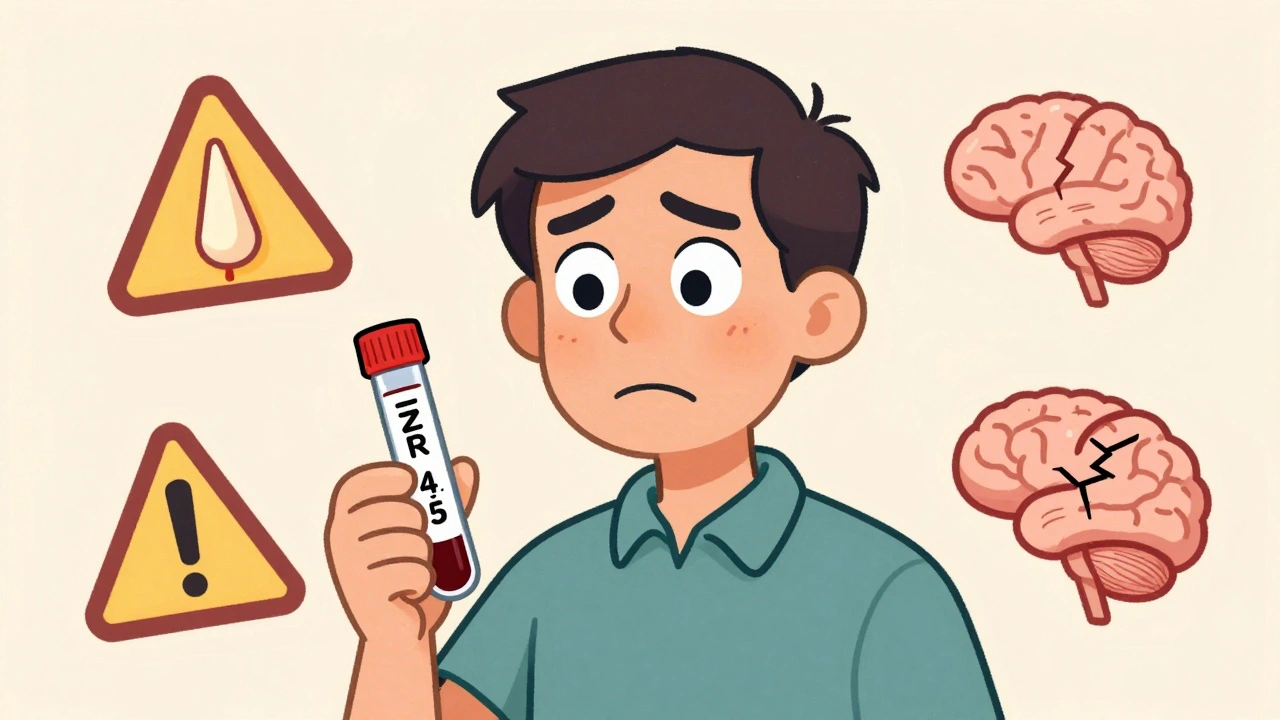
One of the biggest risks with warfarin, a vitamin K antagonist anticoagulant is bleeding. It can happen anywhere—nosebleeds, bruising, bloody stools, even brain bleeds. You won’t always feel it coming. That’s why regular INR monitoring, a blood test that measures how long it takes your blood to clot is non-negotiable. Most people need it every 1 to 4 weeks, especially when starting or changing doses. If your INR is too high, you’re at risk for bleeding. Too low, and clots can still form. There’s no middle ground.
warfarin interactions, how other drugs and foods interfere with its effect are why so many people end up in the ER. Antibiotics, antifungals, even some herbal supplements like garlic or ginseng can spike your INR. So can eating more or less spinach, kale, or broccoli—foods high in vitamin K. It’s not about avoiding them entirely. It’s about keeping your intake steady. A sudden change in diet can throw off your dose faster than you think. And don’t forget alcohol. Even a few drinks can increase bleeding risk. If you’re on warfarin, you can’t just take another pill without checking with your doctor first.
Some side effects are less obvious but just as serious. Skin necrosis—tissue death—can happen early on, especially if you start with a high dose. Purple toe syndrome, where small blood vessels get blocked, shows up weeks later. And yes, some people report hair loss or fatigue. These aren’t common, but they’re real. If something feels off, speak up. Reporting side effects isn’t just for your safety—it helps others too. The FDA’s MedWatch program relies on patient reports to catch hidden risks.
Age, weight, genetics—all play a role. Older adults are more sensitive. People with liver problems process warfarin slower. And some genetic variations mean you need half the dose others do. That’s why there’s no one-size-fits-all dose. Your doctor starts low, watches closely, and adjusts slowly. Skipping appointments or ignoring symptoms can turn a manageable drug into a life-threatening one.
What you’ll find below isn’t just a list of side effects. It’s a collection of real-world insights—from how warfarin interacts with other meds like MAO inhibitors or clindamycin, to why monitoring matters more than ever in older adults or those with kidney issues. These aren’t theory pieces. They’re guides written for people who take warfarin every day, or care for someone who does. You’ll learn what to watch for, what to ask your pharmacist, and how to avoid the most common mistakes. No fluff. Just what you need to stay safe while taking this powerful medicine.
Written by Mark O'Neill
Warfarin is a powerful blood thinner that saves lives-but it carries serious bleeding risks. Learn the warning signs, how to reduce your risk, and what to do in an emergency.